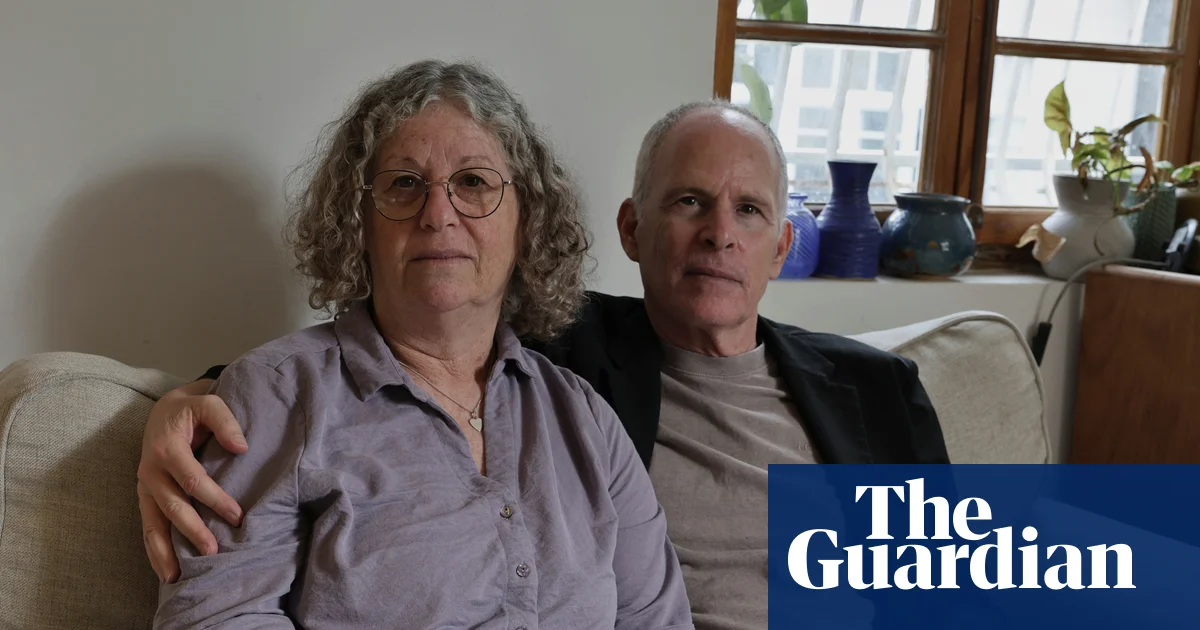
Three years after the Hamas attacks of October 7, 2023, survivors and families of those killed or taken hostage continue to grapple with profound trauma. On that day, Hamas militants crossed the border into Israel, killing 1,209 people, the majority of them civilians, including 36 children. The attacks targeted kibbutzim, border towns, military bases, and music festivals, catching Israeli security forces by surprise. In Nir Oz, 47 people were killed and 76 taken hostage, representing over a quarter of the small community. The volunteer defense force held Hamas at bay for two hours before being overwhelmed, after which the kibbutz was looted and burned without intervention from the Israeli army.
Keith Siegel, a hostage held for 484 days, described a “dual life” of being both present and reliving his captivity, meticulously memorizing details in an attempt to aid potential rescue efforts and maintain a sense of time. Evyatar David, who was held captive for 738 days, is now battling PTSD and flashbacks, acknowledging that surviving captivity is only the first step in a long rehabilitation process. Rom El-Hai, a survivor of the Nova music festival, has lost his job, girlfriend, and friends, and is struggling with intense PTSD and depression. He expressed a sense of isolation and a feeling that the world is hostile towards him.
For many, the trauma has created significant difficulties in rebuilding their lives. Seth Davis, CEO of the Tribe of Nova Foundation, noted that many young people who were at the Nova festival have had to move back in with their families. Shlomo Margalit, a caretaker at the Nir Oz cemetery, continues to tend to the graves of those killed, including a family of five and three founding members of the kibbutz, driven by a desire to ensure the events are not forgotten. Shiri Bibas, along with her 10-month-old baby Kfir and four-year-old Ariel, were among those killed while in Gaza. The enduring trauma is compounded by what some see as the demonization of Israel and the ongoing multi-front war. The long-term effects of the trauma, and the ability of survivors to fully rehabilitate, remain uncertain.
Our reading is that the article highlights the enduring and multifaceted trauma experienced by survivors of the October 7th attacks, extending far beyond the initial event. The accounts of Siegel, David, and El-Hai demonstrate that simply surviving captivity or witnessing violence is not enough; rebuilding a life is a complex process fraught with psychological distress, social isolation, and practical difficulties. The inclusion of Shlomo Margalit’s work at the cemetery underscores the collective need to remember and honor the victims, while the mention of external criticism suggests the healing process is further complicated by broader political contexts.
Read the original coverage
💬 Comments
📜 Comment Policy