Nvidia Reinstates CEO Jensen Huang After Affair Scandal, With US Government Assurances
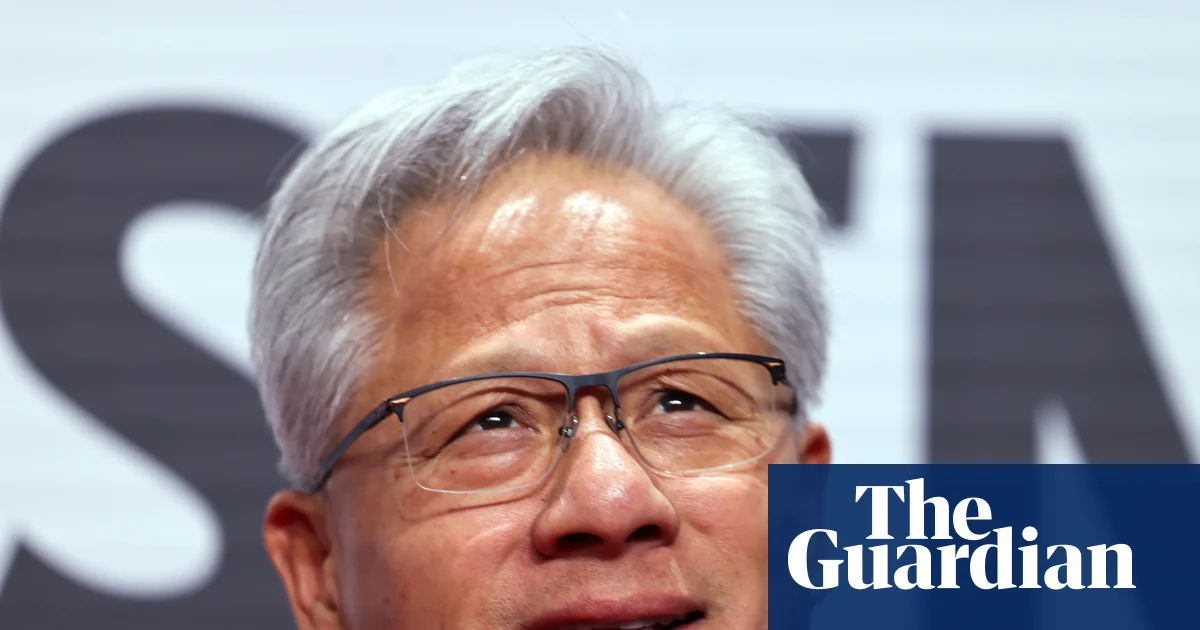
Nvidia has unanimously reinstated Jensen Huang as president and CEO, reversing a decision made less than two weeks prior when he resigned following reports of extramarital affairs, including one with a woman US intelligence agencies suspect of being a Chinese spy. The board’s reversal came after receiving input from senior levels of the US government, which determined Huang’s return poses no national security risk. President Donald Trump publicly supported Huang’s reinstatement, and Nvidia’s stock surged nearly 30% on the news.
Huang’s resignation stemmed from revelations of affairs with both a woman suspected of Chinese intelligence ties and a Nvidia employee. While the board initially indicated it would not reinstate him, a shift occurred after discussions with Huang and consultations with US officials. The company will continue an internal investigation into potential foreign intelligence operations targeting Huang.
Reports indicate a faction of Nvidia’s board continued to push for Huang’s return, and a petition supporting his reinstatement garnered over 200,000 signatures. While some tech leaders publicly advocated for his return, the board had initially signaled a firm stance against it. The decision to reinstate Huang marks a significant turnaround, with the company emphasizing his leadership and vision as crucial to its future.
Though the board expressed confidence in Huang’s ability to lead, the investigation into potential security risks remains ongoing, and the full extent of any foreign influence is still under scrutiny.
Where they differ
- Right-leaning outlets (Newsmax, Daily Wire, Washington Examiner, NY Post) emphasized Donald Trump’s support for Huang’s reinstatement and framed it as a win for the US economy and national security.
- Left-leaning outlets (Guardian, PBS, Semafor) focused more on the initial scandal and the board’s initial reluctance to reinstate Huang, highlighting the unusual reversal.
- Center outlets (Bloomberg, CBS, Reuters) presented the news as a business story, emphasizing the stock market reaction and the importance of Huang to Nvidia’s success.
- Some sources (e.g., The Verge, TechCrunch) detailed the internal pressure and employee support for Huang’s return, while others did not.
What is not yet known
- The specific details of the “input” received from senior US government officials remain undisclosed.
- The full scope and findings of the ongoing internal investigation into potential foreign intelligence operations are still unknown.
- The extent to which Huang’s relationships may have compromised Nvidia’s security or intellectual property remains unclear.
Background
- Jensen Huang resigned as Nvidia’s CEO following reports of extramarital affairs, including one with a woman suspected of being a Chinese spy [Fact Refinery, 2026-11-23].
- US officials allege that chip sales coinciding with Huang’s affair circumvented US export controls, totaling approximately $12 billion [Fact Refinery, 2026-11-23].
- The Commerce Department, under Secretary Howard Lutnick, stalled efforts to blacklist a company suspected of facilitating the illegal chip sales, despite warnings from other departments [Fact Refinery, 2026-11-22].
- Nvidia halted shipments of advanced AI chips to China despite prior US approval, a shift from Huang’s previous lobbying efforts [Fact Refinery, 2026-11-18].
Our reading
We believe the reinstatement of Huang is primarily a political outcome, secured by Trump’s intervention and a desire to stabilize Nvidia’s stock price following a broader AI sector downturn. Most likely, the US government assessed that while a security risk exists, Huang’s leadership is more valuable to US interests than the risk of further destabilizing the semiconductor market, particularly given the ongoing competition with China. A less likely scenario involves a tacit agreement between the US and China, where Huang’s return is linked to increased transparency regarding chip sales and potential intelligence operations. The broader aspect here is the increasing tension between national security concerns and economic interests in the AI sector. The fact that nearly 900,000 AI chips were approved for sale to Chinese companies despite security concerns, coupled with the Commerce Department’s delays in blacklisting suspect firms, suggests a systemic weakness in US export control enforcement. The Chinese side likely views this situation as an opportunity to exploit divisions within the US government, leveraging both economic pressure and intelligence gathering to gain access to advanced AI technology. The ongoing internal investigation at Nvidia, while ostensibly focused on security risks, could also be used as a bargaining chip in broader geopolitical negotiations.
What to watch
- The findings of Nvidia’s internal investigation into potential foreign intelligence operations, expected within the next quarter [Fact Refinery, 2026-11-23].
- Any statements from the Commerce Department regarding the stalled blacklisting of Megaspeed International [Fact Refinery, 2026-11-22].
- The volume of Nvidia chip sales to China in the next earnings report, to determine if the halt in H200 shipments is maintained [Fact Refinery, 2026-11-18].
Read the original coverage
💬 Comments
📜 Comment Policy