NHS Reports 'Horrible Spike' in Flu Cases as Hospital Admissions Surge
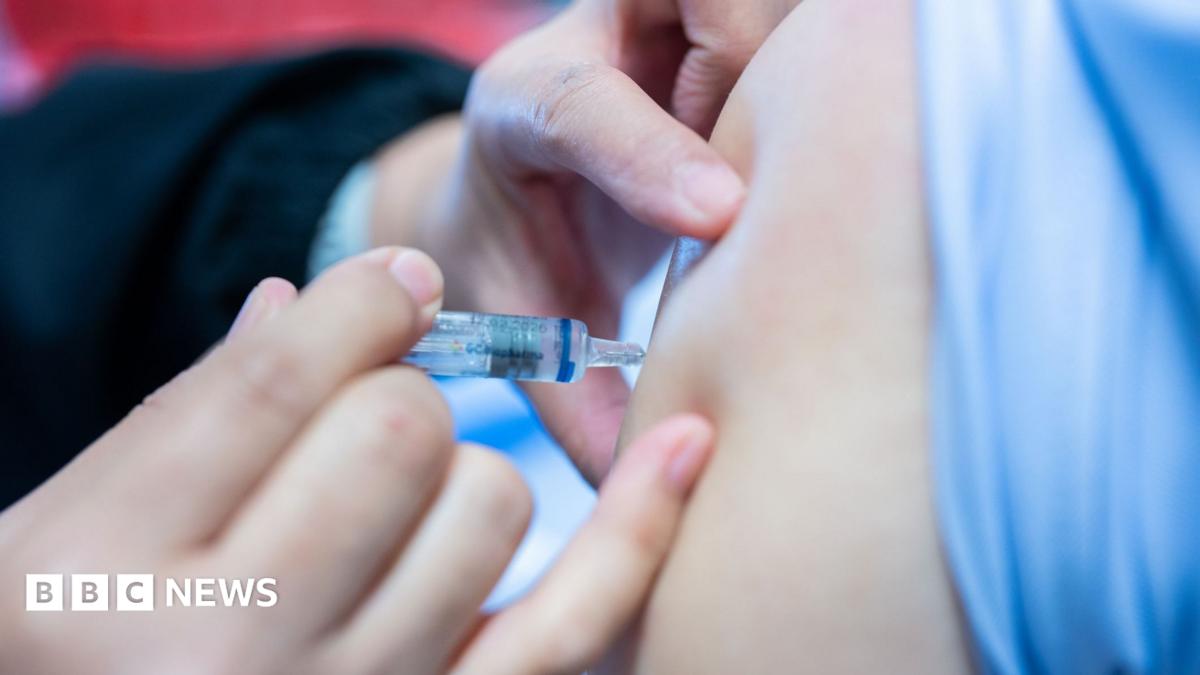
Hospital admissions for flu in England have increased by almost 80% in the last week, reaching the highest level at this time of year since before the COVID-19 pandemic, according to the UK Health Security Agency (UKHSA). Sir Jim Mackey, outgoing chief executive for NHS England, stated he was asked to wear a mask during a recent hospital visit, noting an increase in beds occupied by flu patients compared to last year. The flu vaccine uptake among those aged 65 and over is currently just under 68%, lower than usual for this time of year. Approximately 9.5 million people under 65 in clinical risk groups are eligible for the flu jab, but only 34% had received it as of November 22nd, leaving nearly 7 million unprotected.
Sir Jim Mackey also criticized the practice of ‘corridor care’ in some hospitals, describing it as unacceptable from both a safety and dignity perspective. Sir Ciaran Devane, chief executive of the NHS Alliance, noted the flu season is starting earlier this year and could further strain already stretched services, following challenges with heatwaves over the summer. Dr. Suzanna McDonald, UKHSA flu lead, urged vaccination and emphasized the importance of hygiene practices to prevent the spread of respiratory illnesses. Just over a third of toddlers in England have received a flu vaccine to date.
Left-leaning sources emphasize the strain on NHS services and low vaccine uptake, while all sources agree on the severity of the flu surge. The NHS is reinstating mask-wearing in some hospitals in response to the increased cases.
What is not yet known
- The precise peak of the flu season remains uncertain.
- The long-term impact of the flu surge on NHS services is yet to be determined.
Background
- The UK Health Security Agency (UKHSA) issued cold health alerts for parts of England in November, forecasting temperatures as low as -7C [Fact Refinery, 2026-11-11].
- An outbreak of meningitis B in Kent earlier this year was linked to genetic exchange in the bacteria, resulting in two deaths and prompting a vaccination program [Fact Refinery, 2026-09-22].
- England experienced a record number of heat-related deaths in May and June, with an estimated 2,877 fatalities, nearly doubling the total for 2025 [Fact Refinery, 2026-07-30].
- NHS England announced it would immediately suspend staff suspected of inappropriately accessing patient records, following a series of data breaches [Fact Refinery, 2026-09-25].
Our reading
We begin by forecasting that the most likely outcome is a sustained period of high demand on NHS services, potentially exceeding capacity in some regions. The combination of a severe flu surge, ongoing cold weather alerts, and the recent history of heatwaves creating a backlog of health issues suggests a challenging winter for the health service. A less likely scenario is a rapid decline in flu cases if vaccine uptake increases significantly or the dominant strain proves less virulent than feared. The balance could tip either way depending on public response to the UKHSA’s urging for vaccination and hygiene, and the speed with which hospitals can implement preventative measures like mask-wearing. A broader aspect is the cumulative effect of multiple strains on the NHS. The article highlights the flu surge following heatwaves and cold alerts, and the prior articles detail outbreaks of meningitis and data breaches. This suggests a system operating under constant pressure from diverse threats, potentially eroding public trust and staff morale. The NHS’s struggles with data security, as evidenced by the recent investigations into unauthorized access to patient records, further complicate matters. The low uptake of the flu vaccine among both the elderly and clinical risk groups is concerning. This suggests a degree of vaccine hesitancy or logistical challenges in reaching vulnerable populations. Understanding the reasons behind this low uptake, whether due to misinformation, access issues, or simply apathy, is crucial for improving public health strategies.
What to watch
- The weekly flu surveillance reports from the UKHSA to track the progression of the surge [UKHSA website].
- NHS England’s reported bed occupancy rates and A&E waiting times to gauge the strain on services [NHS England website].
- Vaccination rates for both the over-65s and under-65s in clinical risk groups, updated by the UKHSA [UKHSA website].
Read the original coverage
💬 Comments
📜 Comment Policy