Nearly 100 Labour MPs Oppose Rosebank Oil Field as Government Weighs Decision
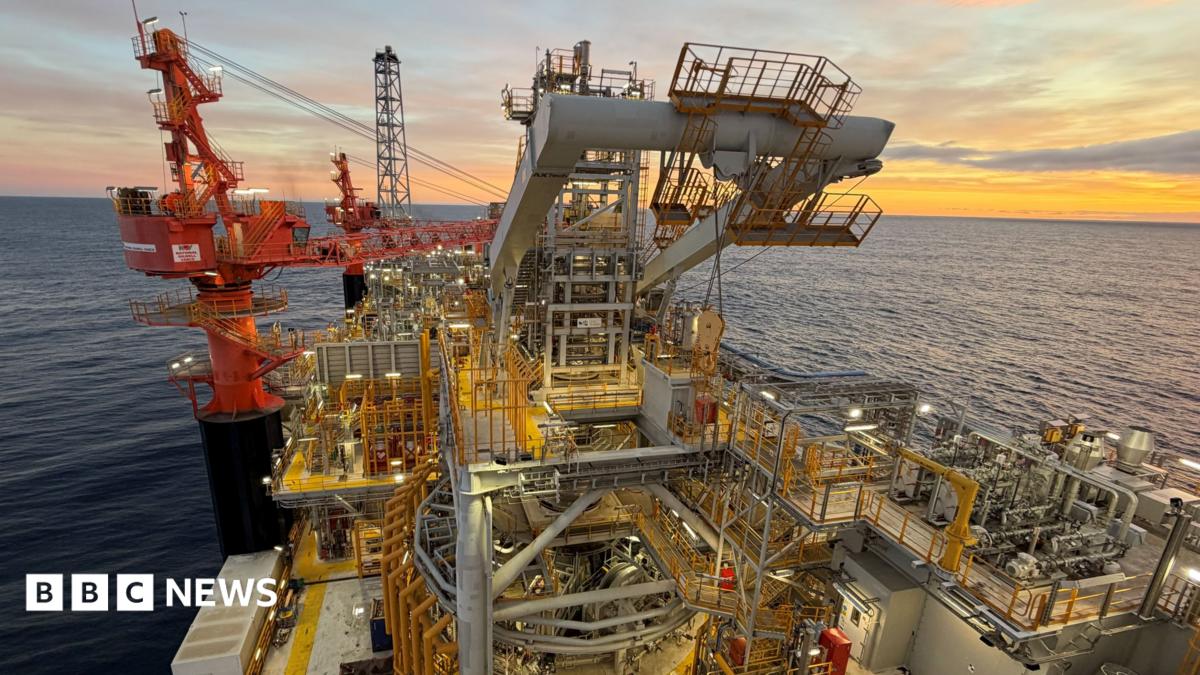
Nearly 100 Labour MPs, including ministerial aides, have publicly opposed the Rosebank oil field project as the UK government nears a decision on its approval. Energy Secretary Miatta Fahnbulleh is expected to decide within weeks whether to allow drilling in the oil field off the Shetland coast, a decision that has exposed deep divisions within the Labour Party. While some cabinet members, including Chancellor John Healey, favor the project citing potential economic benefits and energy security, Fahnbulleh has previously signaled personal opposition and insists she will make the final decision, claiming the courts would support her if overruled.
The opposition from Labour MPs, organized by Catherine Fookes, centers on the project’s potential to exacerbate the climate crisis and its lack of impact on constituents’ energy bills, with critics arguing the oil will be sold internationally to the highest bidder. The BBC reports that the government could face resignations from junior ranks if the project is approved. Pro-Rosebank voices suggest senior ministers have toned down public support to avoid legal challenges to Fahnbulleh’s decision. The situation is further complicated by conflicting reports about the likely outcome, with both approval and veto being predicted. The decision will be controversial regardless of the outcome, with a private and public battle playing out over the project’s merits.
Where they differ
- The Guardian highlighted that frontbenchers were among the signatories of the letter opposing the project, while the BBC focused on the potential for resignations from ministerial aides.
- The Guardian provided a link to an opinion piece explaining the reasoning behind Labour MPs’ opposition, while the BBC did not.
- The BBC emphasized the conflicting claims surrounding the decision, noting both outcomes were being predicted, while The Guardian focused on the visible demonstration of division within the Labour Party.
What is not yet known
- The exact timeline for the Energy Secretary’s decision remains unclear, beyond the expectation it will occur ‘within weeks’.
- The specific number of frontbenchers who signed the letter opposing the project is not definitively stated, only that ‘a handful’ signed it according to The Guardian.
Background
- Chancellor John Healey proposed a tax allowance to shield low-income pensioners from income tax, as the state pension is set to exceed the personal allowance [Fact Refinery, 2026-10-26].
- The UK government previously approved the Jackdaw gas field, but the initial approval was overturned due to inadequate climate impact assessment, and a decision on Rosebank was delayed [Fact Refinery, 2026-10-20].
- Prime Minister Andy Burnham signaled a revision to the triple lock pension policy, potentially saving £15 billion annually by 2040 [Fact Refinery, 2026-10-26].
- The UK and EU are negotiating a reset deal to improve relations, with Burnham expressing hope for eventual EU re-entry, though Brussels is not offering concessions [Fact Refinery, 2026-11-20].
Our reading
We begin by assessing the likely outcomes. Most likely, Fahnbulleh will approve the Rosebank project, balancing economic arguments from Healey and the need to honor existing licenses, as demonstrated by the Jackdaw approval. A veto is less likely, given the internal Labour divisions and the potential for resignations, as reported by the BBC. However, a prolonged delay, perhaps citing further legal review, is also possible, buying Fahnbulleh time to manage the fallout. The balance will tip depending on how strongly Fahnbulleh believes the courts would support her overruling cabinet, as she claims. A broader aspect is the ongoing tension between energy security and climate commitments. The approval of Jackdaw and the potential approval of Rosebank align with the government’s preference for utilizing existing North Sea licenses, but conflict with environmental groups’ calls for a faster transition to green technologies. The recent rise in energy bills, driven by overseas conflicts, reinforces the government’s focus on domestic energy sources [Fact Refinery, 2026-11-25]. Considering the other side, the hard-right Reform UK advocates for Rosebank approval as part of a broader job creation agenda [Fact Refinery, 2026-10-26]. Their position highlights the potential political cost for Labour of appearing to prioritize environmental concerns over economic growth and energy security, particularly if energy prices remain high. The internal divisions within Labour, exposed by the letter from nearly 100 MPs, suggest a vulnerability that Reform UK could exploit.
What to watch
- The date of Energy Secretary Fahnbulleh’s decision on the Rosebank oil field [monitor official government announcements].
- Any resignations from ministerial aides following the decision, as reported by the BBC [monitor news outlets].
- The final vote count on the EU reset deal, to gauge the level of support for closer ties with Europe [check parliamentary records].
Read the original coverage
💬 Comments
📜 Comment Policy