Morocco Appoints First Female Prime Minister Following Parliamentary Elections
AI-synthesized · Bias removed · Facts only
3 sources: 3 left · 0 center · 0 right
Facts are sacred. Opinion is labelled.
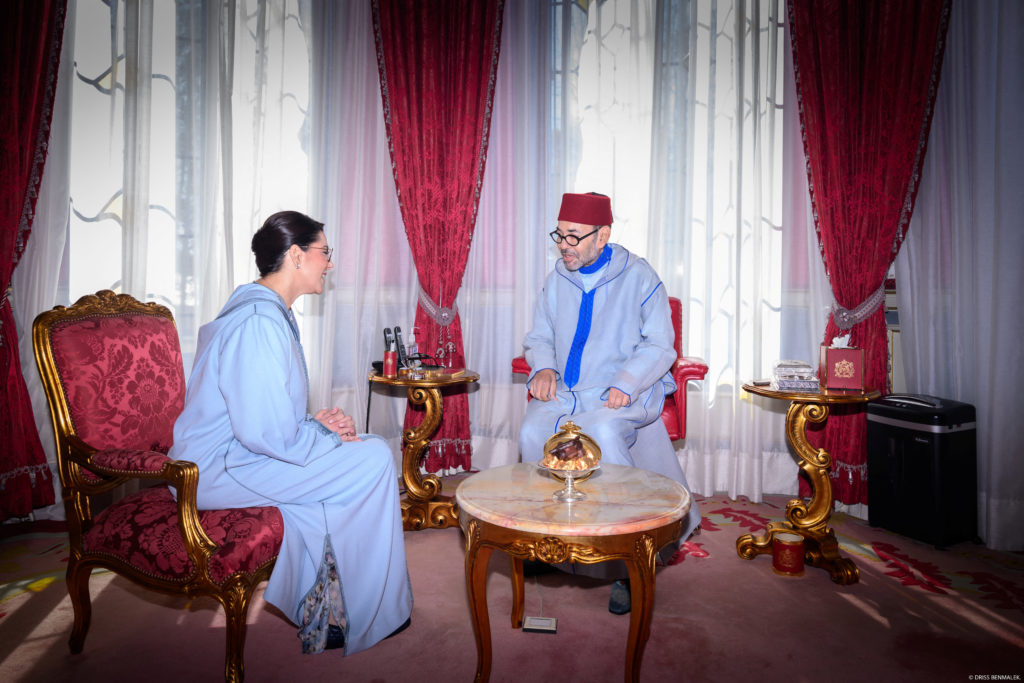
Image: Pbs Newshour
Morocco’s King Mohammed VI has appointed Fatima Zahra El Mansouri as the country’s first female prime minister, following last week’s parliamentary elections in which her Authenticity and Modernity Party (PAM) won 97 of 395 seats. Mansouri, who previously served as the mayor of Marrakech, has been tasked with forming a new government, a coalition likely to be built with other political groups. Her appointment makes her the second woman in the Arab world to lead a government, after Najla Bouden of Tunisia.
The 50-year-old Mansouri acknowledged the historical significance of her appointment, stating, “For the first time in our country's history, a woman is taking on the responsibility of leading the government,” and expressing pride for Moroccan women. She also recognized the expectations placed upon her government, particularly from young Moroccans, and pledged to offer “concrete and realistic solutions to citizens’ concerns.”
The elections, however, were marked by the lowest voter turnout in two decades. Mansouri’s PAM party was founded in 2008 as a counterweight to Islamist movements. While PAM has expressed willingness to work with all parties, the Justice and Development party and the Federation of Democratic Left have announced their intention to remain in the opposition.
Mansouri will also oversee preparations for Morocco’s co-hosting of the 2030 FIFA World Cup and address key issues such as inflation, job creation, and social disparities. She previously served as mayor of Marrakesh from 2009-2015 and again from 2021, and has been a member of parliament since 2008.
Where they differ
- Africa News highlighted the widespread youth discontent in Morocco, referencing a mass border rush on Ceuta and Gen-Z-led protests, while other sources did not emphasize this specific context.
- DW reported the date of the appointment as September 29, 2026, while other sources did not include this information.
- Al Jazeera noted Mansouri is the second woman in the Arab world to lead a government, while PBS Newshour and Washington Post did not explicitly mention this.
- PBS Newshour and Washington Post focused on the appointment itself, while DW and Africa News provided more background on Mansouri's political career and the context of the election results.
What is not yet known
- The specific composition of the coalition government Mansouri will form remains unclear.
- The extent to which Mansouri will be able to address the underlying causes of youth discontent and low voter turnout is yet to be seen.
Background
- Fatima Zahra El Mansouri previously served two terms as mayor of Marrakech, from 2009-2015 and again from 2021 [Fact Refinery, 2026-09-25].
- The Authenticity and Modernity Party (PAM) was founded in 2008 with the stated aim of acting as a counterweight to Islamist movements [Fact Refinery, 2026-09-25].
- Morocco is scheduled to co-host the 2030 FIFA World Cup [background knowledge].
- This appointment marks the second time a woman has led a government in the Arab world, the first being Najla Bouden of Tunisia [Fact Refinery, 2026-09-25].
Our reading
Our reading is that Morocco’s appointment of its first female prime minister, while historically significant as stated by Mansouri herself, occurs against a backdrop of political disengagement. The low voter turnout suggests a degree of public apathy or dissatisfaction, and the opposition’s decision not to participate in the coalition hints at potential challenges to governing. While the appointment is presented as a positive step, the article subtly underscores the difficulties Mansouri will face in addressing deeper systemic issues.
What to watch
- The composition of the coalition government Mansouri forms, and the parties included, will indicate the breadth of her political support [unclear, monitor Moroccan press].
- Voter turnout in any future elections or referendums will reveal whether Mansouri’s government can address the issues contributing to the recent low participation [Moroccan electoral commission data].
- Economic indicators such as inflation and job creation rates will demonstrate the government’s success in delivering “concrete and realistic solutions” as promised [Moroccan Central Bank reports].
💬 Comments
📜 Comment Policy