Man Convicted in Deadly 2025 Palisades Fire After Mistrial
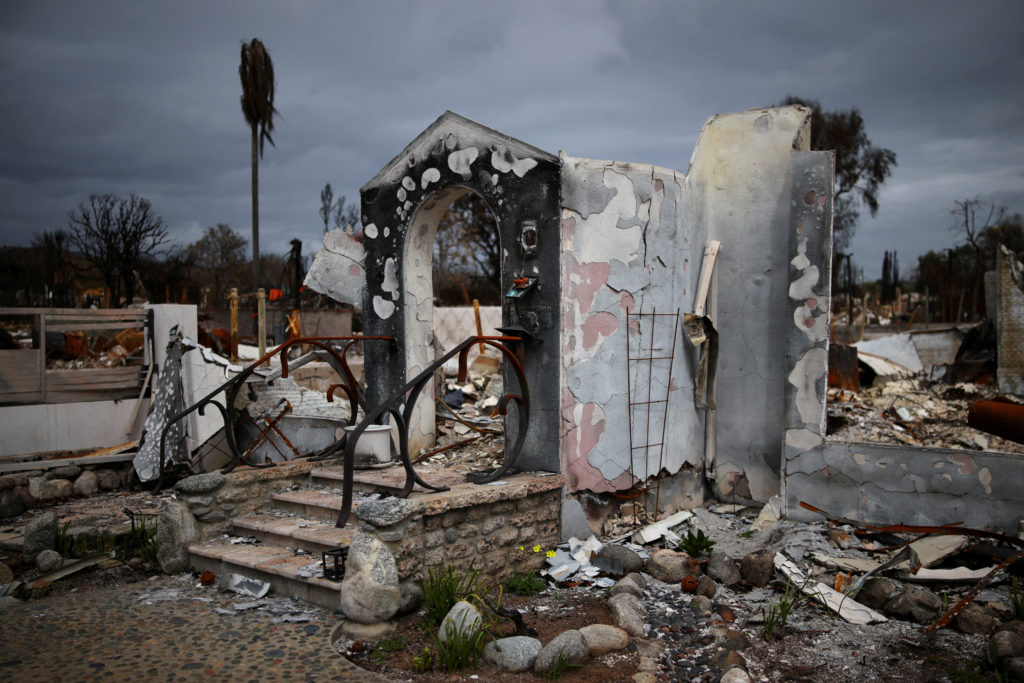
Jonathan Rinderknecht, 30, was found guilty Friday of federal arson charges for starting the Palisades Fire in Los Angeles on January 1, 2025, a blaze that grew into the most destructive wildfire in the city’s history. The conviction follows a mistrial in June after jurors deadlocked 10-2 in favor of acquittal. The fire, fueled by winds up to 100 mph, killed 12 people, destroyed over 6,000 structures, and caused $25 billion in damage, according to U.S. First Assistant U.S. Attorney Bill Essayli, who stated, “The question at the time was who was responsible. And now we have the answer to that question.”
Prosecutors alleged Rinderknecht ignited a smaller brush fire, known as the Lachman Fire, which firefighters extinguished but continued to smolder underground. A week later, the smoldering fire was reignited by Santa Ana winds, becoming the massive Palisades Fire. Evidence presented at trial included digital forensic data, expert testimony, and Rinderknecht’s own statements. A juror stated Rinderknecht’s testimony was key, noting his claim that he was on the hill the night of the initial fire, smelled no smoke, saw no fireworks, and that it was a calm night, a scenario the juror found improbable given he was the only person present. Prosecutors also highlighted Rinderknecht’s erratic behavior and angry statements to Uber passengers, as well as a 911 call he made while walking down the hill after the fire began, during which he asked ChatGPT if he would be at fault if a fire started from his cigarette.
The initial trial focused on Rinderknecht’s alleged resentment toward the wealthy, framing the arson as an act of “societal revenge.” The retrial presented a more streamlined case, focusing on placing him at the fire’s origin through photographs of his car and cellphone data. The scope of the charges was narrowed to only include the initial Lachman Fire, while the second charge addressed the Palisades Fire itself. Rinderknecht faces a minimum of 5 years and a maximum of 40 years in prison, with sentencing scheduled for March 17.
Where they differ
- NBC News and the Independent emphasized the scale of the damage, 6,000+ structures destroyed and $25 billion in damage, while PBS News Hour and Sky News focused on the conviction itself.
- The Independent detailed the narrowing of charges for the retrial, specifying the first charge related to the Lachman Fire and the second to the Palisades Fire, a detail not prominently featured in other reports.
- NBC News highlighted a juror’s account of how Rinderknecht’s testimony swayed the verdict, while other sources focused on the evidence presented by prosecutors.
What is not yet known
- The full extent of Rinderknecht’s motive remains unclear, beyond the initial claim of resentment toward the wealthy which was downplayed in the retrial.
- The specific digital forensic data and expert testimony presented at trial are not detailed in the reports.
Background
- Los Angeles experienced a devastating wildfire in January 2025, known as the Palisades Fire, which destroyed over 6,000 structures and caused $25 billion in damage [Fact Refinery, 2026-05-27].
- The initial trial of Jonathan Rinderknecht ended in a mistrial in June, with the jury deadlocked 10-2 in favor of acquittal [Fact Refinery, 2026-11-20].
- Mayor Karen Bass faced reelection challenges following the Palisades Fire, with the destruction of property becoming a key issue in the political landscape [Fact Refinery, 2026-05-27].
- A magnitude 4.4 earthquake struck the Los Angeles area in November 2026, prompting emergency responses but causing no significant damage [Fact Refinery, 2026-11-20].
Our reading
We begin by considering the likely trajectory of this case. Most likely, Rinderknecht will receive a substantial prison sentence, potentially near the maximum of 40 years, given the scale of the destruction and the jury’s clear verdict. A less likely outcome is a reduced sentence due to mitigating factors, but the retrial’s focus on verifiable evidence, car photographs and cellphone data, strengthens the prosecution’s case considerably. A successful appeal seems improbable, though not impossible, if Rinderknecht’s legal team can identify procedural errors. The Palisades Fire’s impact extends beyond the immediate loss of life and property. The prior article detailing Mayor Bass’s reelection challenges suggests this disaster has become a significant political issue. Further large-scale disasters, such as the earthquake, could exacerbate existing vulnerabilities in Los Angeles’s infrastructure and strain emergency services, potentially impacting public trust in local governance. The article’s mention of Rinderknecht’s initial claim of “societal revenge” and his erratic behavior, coupled with the juror’s account of his improbable testimony, hints at a complex psychological profile. While the retrial streamlined the case, understanding the motivations behind his actions, beyond simple resentment, could be crucial for preventing similar incidents in the future.
What to watch
- The sentencing hearing on March 17, to determine the length of Rinderknecht’s prison term [Article].
- Any appeals filed by Rinderknecht’s legal team, and the court’s response [Article].
- Mayor Karen Bass’s reelection campaign, and whether the Palisades Fire remains a central issue [Fact Refinery, 2026-05-27].
Read the original coverage
💬 Comments
📜 Comment Policy