King Tides to Reach Decades-Old Heights Along Pacific Coast
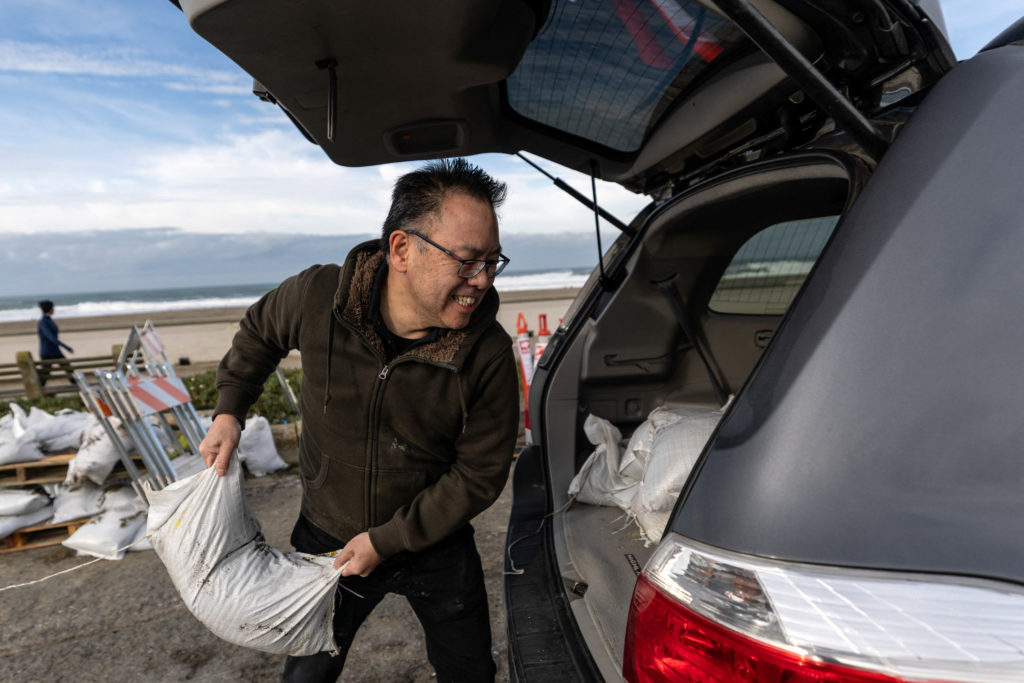
King tides along the Pacific Coast are forecast to reach levels not seen in 40 years, potentially flooding low-lying coastal communities during Thanksgiving week. In the San Francisco Bay Area, tides are expected to peak at 2.8 feet above normal on Wednesday, following tides of 2.6 feet above normal on Tuesday, according to National Weather Service forecaster Dial Hoang. The Washington Times reports these high tides could complicate travel plans. The potential for flooding is heightened by the timing of the tides coinciding with the Thanksgiving holiday, raising concerns for coastal residents and travelers. While the exact extent of flooding remains to be seen, the combination of high tides and current conditions presents a risk to vulnerable areas. No center-leaning outlet reported this story.
Where they differ
- PBS NewsHour focused on the specific tide heights forecast for the San Francisco Bay Area.
- The Washington Times emphasized the potential for travel disruptions during Thanksgiving week.
Background
- King tides along the Pacific Coast are expected to reach levels not seen in 40 years, potentially causing flooding in low-lying coastal communities [Fact Refinery, 2026-11-24].
- California’s coast is experiencing a convergence of factors increasing flood risk: abnormally high astronomical tides, the intensification of weather patterns by El Niño, and unusually warm sea waters [Fact Refinery, 2026-11-24].
- A powerful Kelvin wave is currently raising sea levels along the California coast by up to one foot, a phenomenon expected to persist for months and amplify the impact of storms and high tides [Fact Refinery, 2026-09-30].
- The Macy’s Thanksgiving Day Parade previously grounded balloons due to weather in 1971, demonstrating a precedent for adjusting to adverse conditions [Fact Refinery, 2026-11-24].
Our reading
We begin by considering the most likely outcome: localized flooding and travel disruptions, particularly in the San Francisco Bay Area, as highlighted by both PBS NewsHour and the Washington Times. The forecast of 2.8 feet above normal tides, combined with the timing during the Thanksgiving holiday, suggests significant inconvenience for travelers and potential damage to vulnerable infrastructure. A less likely scenario involves more widespread and severe flooding, which would require the convergence of these king tides with an unexpected storm surge or unusually heavy rainfall, as seen with Hurricane Simon in Mexico. The fact that no center-leaning outlet reported this story suggests a limited scope of impact, or a focus on less populated areas. The timing of these tides alongside the Thanksgiving holiday is a broader aspect to note. Travel disruptions, even if minor, could have ripple effects on the economy, particularly for businesses reliant on holiday tourism. The recent snowfall in the Atacama Desert and the earthquake impacting Mexico and Guatemala demonstrate a pattern of unusual weather events across the Pacific region, potentially linked to broader climate trends. The lack of reporting from center-leaning outlets is notable. It suggests either a limited scope of impact, or a strategic decision by those outlets to prioritize other stories during the holiday period. It is reasonable to assume that local authorities in affected areas are preparing for potential disruptions, given the forecast and the historical precedent of similar events.
What to watch
- Confirmation of flooding extent in the San Francisco Bay Area following Wednesday’s peak tide [National Weather Service].
- Reports of travel delays or cancellations related to the king tides during the Thanksgiving holiday [major airlines, transportation authorities].
- Updates on whether the one-foot sea level rise from the Kelvin wave continues as predicted [National Oceanic and Atmospheric Administration].
Read the original coverage
💬 Comments
📜 Comment Policy