Iranian Singer Parastoo Ahmadi and Four Others Flogged for Performing Without Hijab
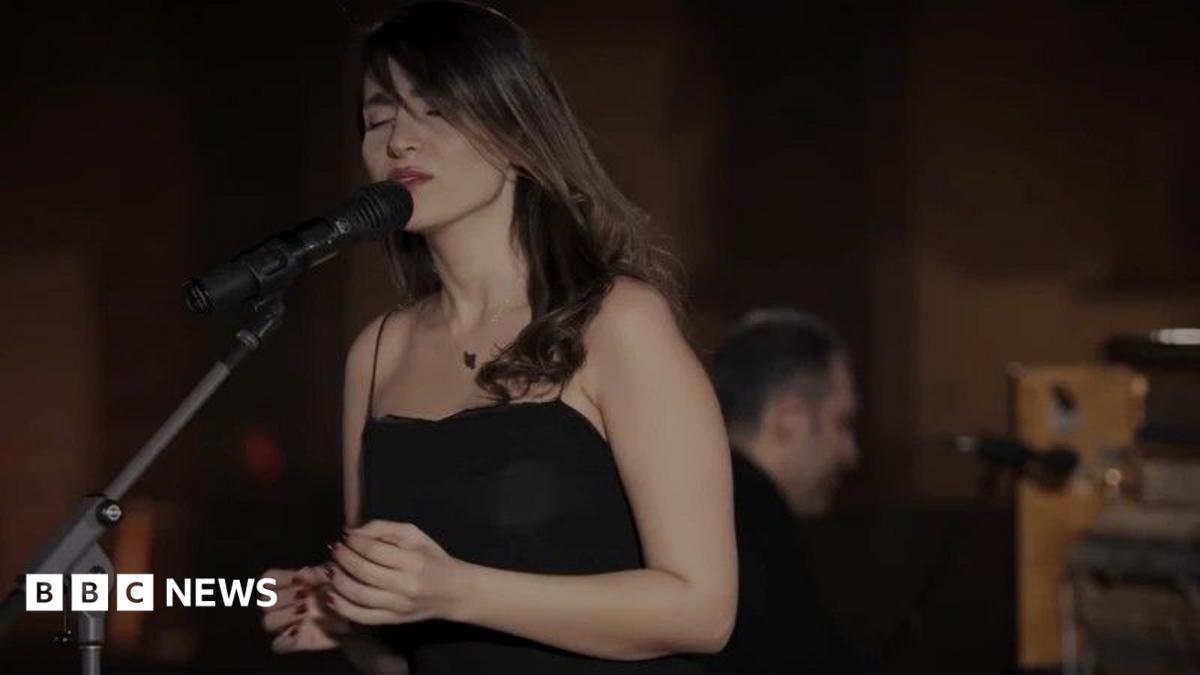
Iranian authorities have flogged singer Parastoo Ahmadi and four members of her band and production team after she performed without a hijab during a livestreamed concert in December 2024. The group, convicted of “offending public decency” and publishing “obscene and indecent material,” each received 74 lashes in Qom. The sentences, which also include a two-year ban on audiovisual activities and travel, were upheld on appeal despite efforts by their lawyers to have them overturned or suspended. The punishment has drawn condemnation from human rights activists, who argue it violates international prohibitions on torture and demonstrates a determination to suppress women's freedoms.
Ahmadi, 29, wore a sleeveless dress during the December performance, violating Iranian laws requiring women to cover their hair and wear modest clothing. A court in Qom convicted Ahmadi and eight others in June, though only Ahmadi and four others were flogged on Monday at the third branch of the Criminal Sentence Enforcement Office. Those flogged alongside Ahmadi were identified as Soheil Faghih-Nasiri, Amin Taheri, Amirali Pirnia and Mohsen Lashkari.
Lawyers for the group stated they exhausted all legal avenues to overturn or suspend the sentence, but were unsuccessful. Bahar Ghandehari, director of advocacy at the US-based Center for Human Rights in Iran (CHRI), stated that Ahmadi's flogging is “a flagrant violation of her fundamental rights” and a demonstration of the authorities’ suppression of women’s freedoms. The punishment comes after widespread protests in 2022 following the death of Mahsa Amini, who was detained by morality police for allegedly wearing her hijab “improperly,” during which many women publicly protested the mandatory hijab rules.
Background
- The DNC will hold 12 debates during the 2028 presidential primary cycle, with up to 20 candidates potentially qualifying based on polling and fundraising [Fact Refinery, 2026-11-23].
- The Pregnant Workers Fairness Act (PWFA), intended to provide workplace accommodations for pregnant employees, was struck down by an appeals court due to procedural issues regarding its passage [Fact Refinery, 2026-11-23].
- Following the death of Mahsa Amini in 2022, widespread protests erupted in Iran regarding mandatory hijab rules [Fact Refinery, 2026-11-23].
- Parastoo Ahmadi is an Iranian singer who performed a livestreamed concert without a hijab in December 2024, leading to legal repercussions [Nacionale, 2026-11-23].
Our reading
We begin by assessing the most likely outcome: continued repression. The upholding of Ahmadi’s sentence on appeal, despite legal challenges, signals a firm resolve within the Iranian authorities to enforce strict social codes. A less likely outcome would be a softening of these rules, perhaps in response to sustained international pressure, but this would require a significant shift in internal political calculations. The key factor tipping the balance will be the level of public dissent and whether it can be sustained despite the risks of severe punishment. This case highlights the ongoing struggle for women’s rights in Iran, a struggle that extends beyond the issue of the hijab. The severity of the punishment, 74 lashes, is intended to serve as a deterrent, not simply to address a legal infraction. The fact that the sentence was upheld on appeal, despite lawyers’ efforts, suggests a systemic unwillingness to grant even basic freedoms. Considering the other side, the Iranian authorities likely perceive any challenge to the established social order as a threat to national stability. The hard-right faction within the government, which appears to be dominant, may view concessions on issues like the hijab as a sign of weakness and a potential catalyst for further unrest. Their internal calculations likely prioritize maintaining control over accommodating calls for greater personal freedoms.
What to watch
- The next steps taken by human rights organizations in appealing the sentence to international bodies [CHRI, 2026-11-23].
- Any further enforcement of similar sentences against other artists or individuals accused of violating social codes [Hengaw, 2026-11-23].
- Public reaction within Iran to the flogging, and whether it sparks further protests or demonstrations [CBC, 2026-11-23].
Read the original coverage
💬 Comments
📜 Comment Policy