ICE Detains Father and Daughter at Seattle Airport En Route to Baptism
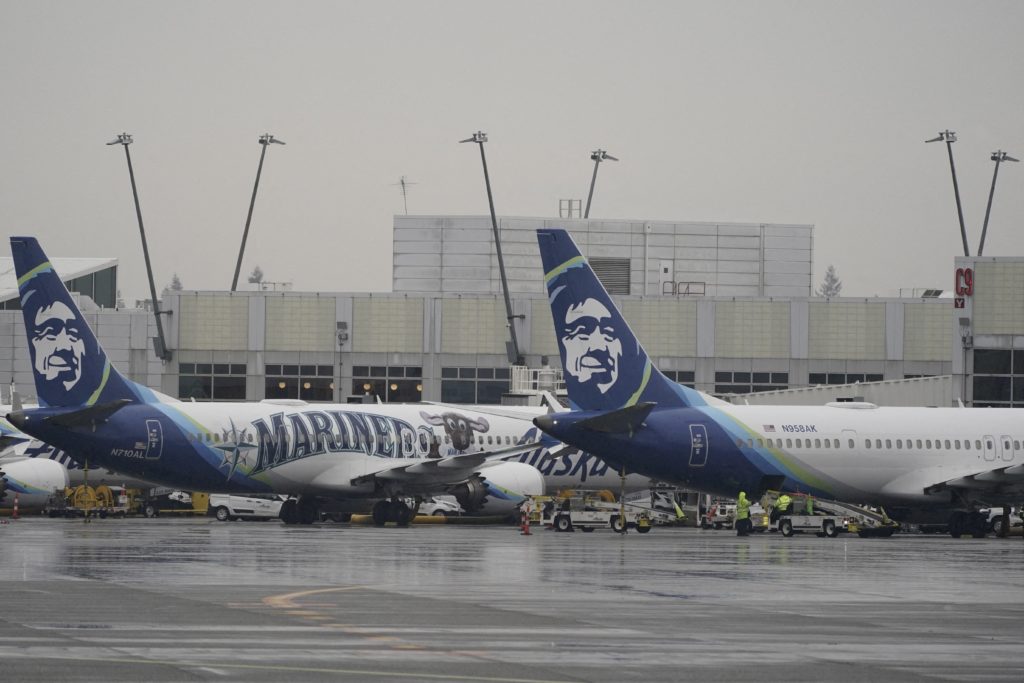
Immigration and Customs Enforcement detained Ricardo Larrondo Mendoza and his daughter, Sofia Hernandez Mejia, at Seattle-Tacoma International Airport on Saturday while they were boarding an Alaska Airlines flight to Los Angeles. The pair, traveling to attend a family baptism ceremony in California, have been in the U.S. since 2015 and are seeking asylum, according to their lawyer, Olia Catala. ICE stated that Larrondo Mendoza had overstayed his visa and Hernandez Mejia is also in the U.S. illegally after overstaying her visa, and could face charges for allegedly assaulting a federal officer with hot coffee during the detention.
Passengers filmed the incident, showing officers in unmarked jackets and khaki pants detaining the pair on the jet bridge, causing a delay to the flight. Catala stated that Hernandez Mejia was carrying a cup of coffee which she dropped during the confrontation, and that the officers’ lack of uniform contributed to the panic. Hernandez Mejia is married to a U.S. citizen and had filed paperwork to adjust her status. Catala emphasized that the family has no criminal record and has been following legal procedures. Both Larrondo Mendoza and Hernandez Mejia are currently being held at the Northwest ICE Processing Center in Tacoma.
Alaska Airlines stated that ICE provided no advance notice of the enforcement action, which occurred during a busy travel weekend. ICE has reportedly increased airport arrests since the summer, focusing on individuals who have overstayed their visas.
Background
- Immigration and Customs Enforcement (ICE) is a U.S. federal law enforcement agency responsible for enforcing immigration laws [background knowledge].
- In November 2026, ICE arrested passengers boarding a flight at Seattle-Tacoma International Airport, drawing criticism from Washington officials [Fact Refinery, 2026-11-22].
- Eva Yi Xie, a Princeton neuroscience student with a pending asylum application, was detained by ICE at Ronald Reagan Washington National Airport in November 2026, with DHS claiming she lacked valid authorization to study in the U.S. [Fact Refinery, 2026-11-22].
- ICE has reportedly increased airport arrests since the summer, focusing on individuals who have overstayed their visas [Fact Refinery, 2026-11-22].
Our reading
We are struck by the pattern of ICE actions at airports, specifically targeting individuals with pending immigration cases or visa overstays. The timing of these arrests, coinciding with busy travel periods and, in Xie’s case, attendance at a professional conference, suggests a deliberate strategy to disrupt travel and potentially intimidate those navigating the immigration system. Most likely, this represents a broader enforcement push by DHS, prioritizing visible action over nuanced case-by-case assessment. A less likely outcome is a response to a specific, unstated threat, although the lack of advance notice to Alaska Airlines makes this scenario improbable. The balance could shift if further evidence emerges of a coordinated effort to target specific groups or if DHS alters its public messaging. The incident also highlights the potential for conflict between federal enforcement and local authorities, as demonstrated by the Port of Seattle’s expressed outrage and ongoing conversations with DHS. This tension is not unique to this case; the Polish example of detentions related to a potential assassination plot shows authorities acting on perceived threats, sometimes without full coordination with other entities. The alleged assault on a federal officer, if substantiated, will undoubtedly strengthen ICE’s position and limit potential legal challenges. However, the claim of assault is currently one-sided and relies on ICE’s account, while Catala disputes the narrative, citing the dropped coffee and the officers’ plainclothes status contributing to panic.
What to watch
- The outcome of the charges against Sofia Hernandez Mejia for allegedly assaulting a federal officer [court records].
- Whether DHS releases data on the number of airport arrests since the summer and the criteria used for targeting individuals [DHS website].
- Any statements from Alaska Airlines regarding its future cooperation with ICE enforcement actions [Alaska Airlines press releases].
Read the original coverage
💬 Comments
📜 Comment Policy