Husband Drugged and Sexually Abused Wife Over 13 Years; Consent Law Questioned
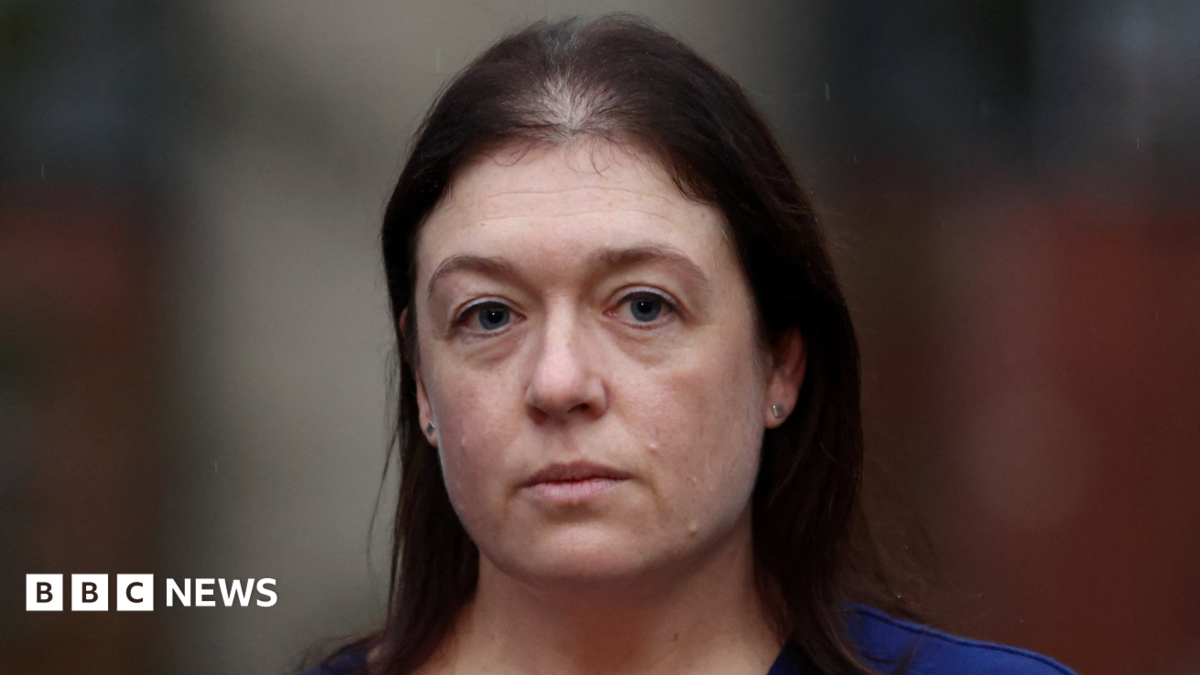
A man has been convicted of drugging and sexually abusing his wife over a 13-year period, advertising her for sex online without her knowledge, while four men were found guilty of sexually abusing her. The case has sparked renewed calls for a change to the law on consent, specifically regarding the legality of “third-party consent.” Joanne Young, who waived her right to anonymity, urged the government to prioritize updating consent laws so that “no-one should be able to give it on your behalf.” Her daughter, Alex Young, echoed these calls, stating that the current law, last updated 23 years ago, is unacceptable because it allows a partner to consent on another’s behalf. Philip Young used websites including Craigslist, Grindr, and Fab Swingers to facilitate the abuse. During the trial, the four convicted men claimed they were deceived by Philip Young and believed Joanne Young was consenting. Professor Miranda Horvath, director of the University of Suffolk's Institute for Social Justice and Crime, stated that someone who is drugged and unconscious cannot give consent and that consent cannot be given on another’s behalf. Laura Bishop, who also waived her right to anonymity after her ex-husband received a 14-year sentence for similar crimes, highlighted the lasting impact of such betrayal, particularly from men. Former minister for safeguarding and violence against women and girls, Jess Phillips, noted the case is not isolated, pointing to the ease with which perpetrators can connect online.
What is not yet known
- The extent to which the government will prioritize changes to consent laws remains unclear.
- The specific details of potential legislative changes to address third-party consent are not yet known.
Background
- The case of Joanne Young involves a 13-year period of drugging and sexual abuse perpetrated by her husband, Philip Young, and facilitated by four other men who were convicted of sexually abusing her [Fact Refinery, 2026-11-19].
- Similar allegations of drugging and sexual assault were made against Salah Fayed, brother of Mohamed Al Fayed, with over 400 claims of sexual misconduct leveled against Mohamed Al Fayed [Fact Refinery, 2026-11-09].
- In 2026, the Cornell University Faculty Senate issued a vote of no confidence in the administration due to its handling of sexual assault allegations involving a former student and members of a fraternity [Fact Refinery, 2026-11-06].
- The Alexander brothers were recently sentenced to 30 years in prison for drugging and sexually assaulting dozens of women over more than a decade [Fact Refinery, 2026-10-27].
- Consent laws were last updated 23 years ago, and currently allow a partner to consent on another’s behalf, a point of contention in this case [Fact Refinery, 2026-11-19].
Our reading
We are struck by the recurring pattern of abuse facilitated by the exploitation of consent laws and online platforms. The case of Joanne Young, alongside the allegations against the Fayed brothers and the convictions of the Alexander brothers, demonstrates a systemic vulnerability where perpetrators leverage power imbalances and legal loopholes to commit horrific crimes. The fact that Philip Young used multiple websites to advertise his wife for sex highlights the ease with which such abuse can be facilitated in the digital age, a point also noted by Jess Phillips. Most likely, the government will respond to the renewed calls for legal reform by commissioning a review of consent laws, potentially leading to amendments addressing third-party consent. A less likely outcome is swift and comprehensive legislative change, which would require significant parliamentary time and consensus. This could be triggered by further high-profile cases or sustained public pressure. The broader aspect is the continued failure of legal frameworks to adequately protect individuals from sexual violence, particularly within intimate relationships. The case echoes the concerns raised in the Cornell University case, where institutional responses to sexual assault were deemed insufficient. The repeated emphasis on the lasting impact of betrayal, as highlighted by Laura Bishop, suggests a need for increased support services for survivors. THE OTHER SIDE, Philip Young and the four convicted men all claimed they believed Joanne Young was consenting, suggesting a strategy of shifting blame and attempting to portray themselves as victims of circumstance. This defense, while ultimately unsuccessful, underscores the difficulty of proving non-consent in cases involving drugging and manipulation. Their motivations likely stem from a desire to minimize their culpability and avoid the full extent of legal consequences.
What to watch
- Whether the government announces a review of consent laws, particularly regarding third-party consent [Government announcements/Parliamentary records].
- The timeline for any proposed legislative changes to consent laws and the details of those changes [Legislation.gov.uk].
- Further reporting on the number of similar cases coming to light following the publicity surrounding Joanne Young’s case [News outlets: BBC, The Guardian, Reuters].
Read the original coverage
💬 Comments
📜 Comment Policy