Huawei Convicted of Trade Secret Theft and Bank Fraud, Racketeering Charge Fails
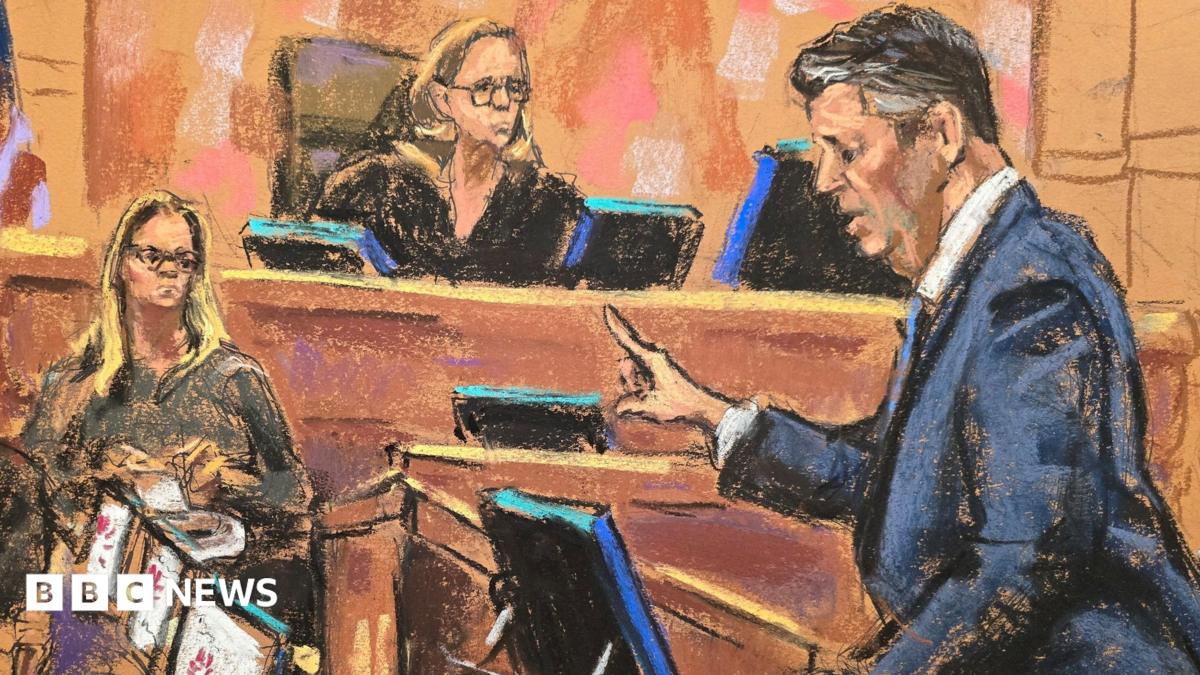
Huawei Technologies was found guilty on ten of twelve counts, including conspiracy to steal trade secrets and bank fraud, by a US jury, but acquitted of the more serious charge of racketeering. The verdict follows a two-month trial where prosecutors alleged two decades of deceptive practices to gain a competitive edge, including stealing technology from rivals and circumventing US sanctions. While prosecutors presented evidence of alleged thefts, including router source code from Cisco, antenna technology from Quintel, and surreptitious photography of competitor’s devices at trade shows, the jury did not find sufficient evidence to conclude Huawei operated as a criminal enterprise.
Prosecutors, led by assistant US attorney Meredith Arfa, argued Huawei lied to banks about its dealings in Iran and engaged in systematic intellectual property theft from companies like Cisco Systems, Motorola Solutions, T-Mobile, Quintel USA, and Fujitsu. Huawei’s defense, led by Brian Heberlig, countered that the firm’s success stemmed from innovation and that prosecutors built a case based on a pre-determined belief in Huawei’s criminality. The company stated the trade secret charges were civil matters resolved decades ago and that no court had previously found them liable for trade secret misappropriation.
Left and lean-left outlets emphasized the guilty verdicts on multiple counts, while right-leaning coverage focused on the acquittal of the racketeering charge. No source disputes that Meng Wanzhou, a senior Huawei executive, was arrested in Canada and reached a deal with US prosecutors that allowed her return to China. The company has been barred from selling equipment to US carriers for years, but continues to operate globally, expanding into areas like chipmaking. Chinese officials have characterized the US actions as “economic bullying.”
Where they differ
- Right-leaning outlets, such as the New York Post and Newsmax, highlighted the acquittal on the racketeering charge more prominently than left-leaning sources.
- PBS Newshour and other left-leaning sources noted Huawei’s alleged dealings in sanctioned countries and false statements to officials, while right-leaning coverage focused less on these aspects.
- The Daily Caller emphasized the role of Meng Wanzhou’s arrest and subsequent deal with US prosecutors as a starting point for the case.
- The Washington Times and other right-leaning outlets noted Huawei’s expansion into chipmaking as a key part of its continued global business.
What is not yet known
- The precise financial penalties Huawei will face as a result of the convictions are not detailed in the sources.
- The extent to which this verdict will affect Huawei’s business outside of the US and its allied countries is not fully clear.
Background
- Huawei Technologies is a Chinese technology company that has faced scrutiny in the US over alleged ties to the Chinese government and concerns about its equipment being used for espionage [background knowledge].
- Prosecutors alleged that Huawei engaged in two decades of deceptive practices to gain a competitive edge, including stealing technology from rivals and circumventing US sanctions [Fact Refinery, 2026-11-24].
- Meng Wanzhou, a senior Huawei executive, was arrested in Canada and reached a deal with US prosecutors that allowed her return to China [Fact Refinery, 2026-11-24].
- The US has previously barred Huawei from selling equipment to US carriers [Fact Refinery, 2026-11-24].
- The US recently announced new tariffs on China and other countries, citing unfair trade practices and overproduction [Fact Refinery, 2026-11-24].
Our reading
We begin by assessing the likely outcomes. Most likely, Huawei will face significant financial penalties, though the exact amount remains to be determined. The acquittal on the racketeering charge limits the scope of potential damages, but the multiple guilty verdicts on conspiracy and fraud will not be ignored. A less likely scenario involves a further escalation of trade tensions between the US and China, potentially triggered by Beijing’s characterization of the US actions as “economic bullying” and the existing imposition of new tariffs [Fact Refinery, 2026-11-24]. This would depend on whether Chinese officials view the verdict as a direct attack warranting retaliation. The case intersects with broader concerns about industrial policy and competition. The US investigation into industrial subsidies granted by other countries, including China and the EU [Fact Refinery, 2026-11-24], suggests a willingness to aggressively protect American manufacturers, even if it means disrupting global trade. This approach could further fragment the international economic order. Considering Huawei’s position, the company continues to expand into areas like chipmaking [Fact Refinery, 2026-11-24], suggesting a strategy of diversification and resilience. However, the verdict will undoubtedly damage its reputation and potentially limit its access to key markets outside of China, despite its continued global operations.
What to watch
- The announcement of the precise financial penalties imposed on Huawei by the US courts [AP News, 2026-11-24].
- Any official response from Chinese officials, including potential retaliatory measures or changes in trade policy [Reuters, 2026-11-24].
- Huawei’s financial reports in the coming quarters, to assess the impact of the verdict on its global business and expansion into chipmaking [Washington Times, 2026-11-24].
Read the original coverage
💬 Comments
📜 Comment Policy