German Boat Dealer Suspected of Supplying Smuggling Networks in English Channel
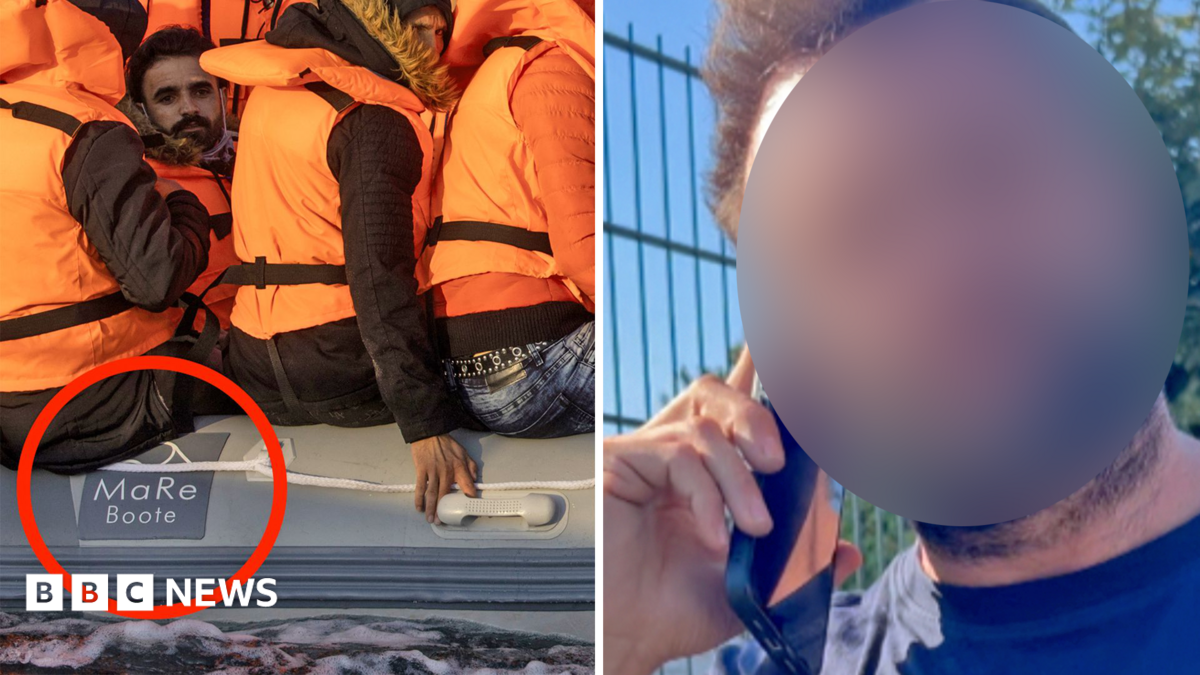
A German boat dealer, Marvin Reuter, is under investigation by European authorities as a key supplier to migrant smuggling networks operating across the English Channel. French investigations indicate that at least 82 boats and/or engines linked to Reuter’s firm, MaReBoote, reached the English coast in just over two years, up to May 2024, and that nearly 29% of detected crossings up to the end of April 2026 involved vessels or engines traced back to his company. Reuter is currently contesting extradition to France, where he could face charges including smuggling, criminal conspiracy, and involuntary manslaughter related to two fatal crossing attempts in which four men died.
The investigation, conducted jointly by the BBC, WDR, NDR, Süddeutsche Zeitung, and Le Monde, has uncovered evidence from alleged accomplice confessions, covert jail-cell recordings of a suspected gang chief, and press photos dating back five years showing MaReBoote’s logo on dinghies carrying migrants. While selling boats is legal, French prosecutor Samuel Finielz stated it becomes illegal “when one is fully aware that they will be used by networks involved in illegal immigration or human trafficking.” Reuter previously told The Sun and The Guardian in 2021 that he felt “frustrated” and “anxious” his vessels had ended up in the hands of smugglers, but at that time, authorities did not suspect him of wrongdoing.
The timing of when police suspicions were aroused is unclear. A European Arrest Warrant was issued in May 2024 relating to alleged offences dating back to December 2024. Reuter has not been formally charged and presumes innocence until proven guilty.
Where they differ
- GB News emphasized the connection to the ‘small boats crisis’ and the impact on Britain.
- BBC News focused on the details of the investigation and the evidence gathered through confessions and recordings.
- Both sources report the same facts, but BBC provides more comprehensive detail on the investigative process and legal status.
What is not yet known
- The precise timing of when police suspicions were aroused remains unclear.
- The extent of Reuter’s knowledge of the intended use of the boats is still under investigation.
Background
- The Conservative party, led by Kemi Badenoch, recently proposed a £10 billion air defence system called “Britannia Shield” [Fact Refinery, 2026-10-06].
- In September 2026, Daniel Thomas, an anti-migrant activist, was jailed for 15 months for slashing a dinghy carrying asylum seekers in the English Channel [Fact Refinery, 2026-11-20].
- Pope Francis died in April 2025 after a 12-year papacy, and his private diaries detailing spiritual struggles and regrets were published in November 2026 [Fact Refinery, 2026-11-24].
- Selling boats is legal, but becomes illegal when knowingly supplying networks involved in illegal immigration or human trafficking [background knowledge].
Our reading
We begin by considering the most likely outcome: Reuter’s extradition to France and subsequent trial. The evidence presented, confessions, recordings, photographic proof, appears substantial, and while he maintains his innocence, contesting extradition will be difficult. A less likely scenario is a prolonged legal battle delaying extradition, potentially hinging on technicalities regarding the timing of the European Arrest Warrant issued in May 2024 relating to alleged offences dating back to December 2024. If Reuter can demonstrate a genuine lack of knowledge regarding the ultimate use of his boats, that could tip the balance, though the volume of vessels linked to smuggling suggests a high degree of awareness. The investigation highlights a broader aspect: the logistical challenges of controlling irregular migration across the English Channel. The fact that nearly 29% of detected crossings involved vessels traced to a single dealer underscores the sophistication of the smuggling networks and their ability to source equipment. This is particularly relevant given the Conservative party’s focus on border security, as evidenced by the “Britannia Shield” proposal, and the ongoing “small boats crisis” emphasized by GB News. The situation also raises questions about the motivations and internal dynamics of the smuggling networks themselves. While the article focuses on the supplier, the demand for these vessels remains constant. Understanding the financial incentives and organizational structure of these networks, and the potential for competition or conflict between different groups, is crucial for developing effective counter-strategies.
What to watch
- The outcome of Reuter’s extradition hearing and any legal challenges he mounts [French courts].
- The French authorities’ progress in building a case against Reuter, including any further evidence presented at trial [French prosecutor’s office].
- Future reports on the number of boats and engines linked to MaReBoote reaching the English coast, to assess whether the disruption of this supply line has a measurable impact on crossings [UK Home Office/French authorities].
Read the original coverage
💬 Comments
📜 Comment Policy