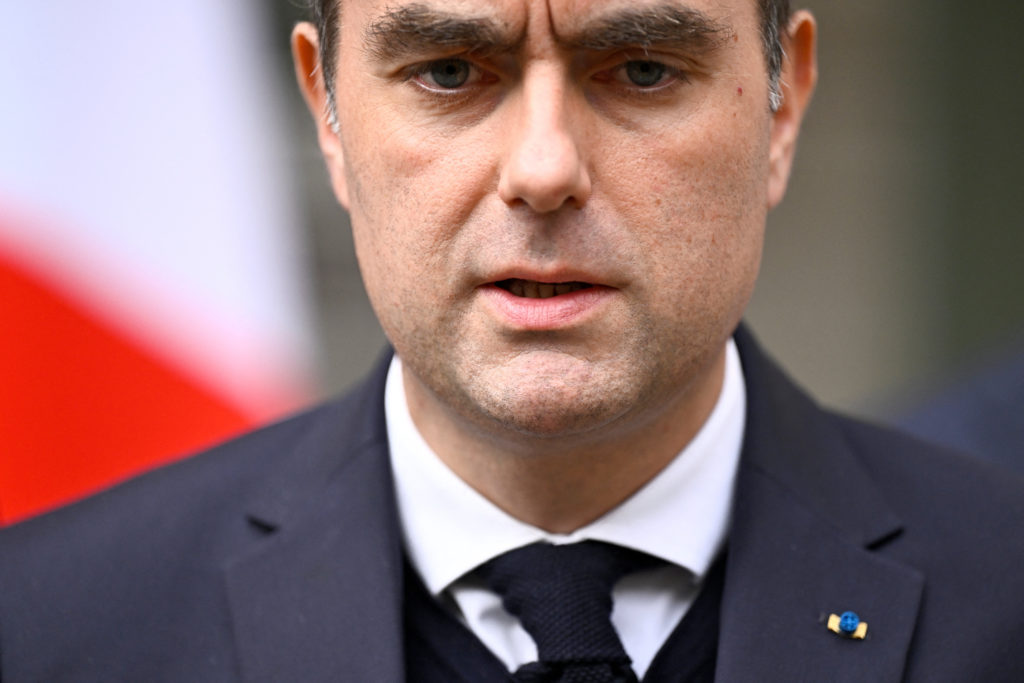
France will implement partial curfews in some cities following a weekend of widespread rioting and looting that erupted during protests over rising living costs and school conditions. Prime Minister Sébastien Lecornu announced the measure Monday after an emergency cabinet meeting, stating he had asked regional authorities to impose “local and partial” curfews. He explicitly ruled out a full curfew for cities like Paris.
The unrest began Saturday with demonstrations that drew over 500,000 protesters nationwide, far exceeding the 200,000 anticipated by intelligence agencies, and quickly devolved into violence. Approximately 2,400 people were arrested, and nearly 1,000 police and gendarmes were injured. Authorities estimate around 2,000 shops were ransacked and looted, with public buildings also targeted. Interior Minister Laurent Nuñez conceded that police “lost control” in several cities, attributing the escalation to a “lack of anticipation” and insufficient police numbers. He offered his resignation, which President Emmanuel Macron refused, instead directing Nuñez to address the intelligence failures.
Lecornu indicated that a state of emergency could be considered if the situation worsens, but currently, partial curfews are deemed “more appropriate.” He did not specify which cities would be affected or the specifics of the curfews. Justice Minister Gérald Darmanin noted that approximately 80% of those arrested have prior criminal records. Nuñez emphasized that while rioters, looters, and “ultra-left militants” bear responsibility, the state’s vulnerability stemmed from intelligence failings. The Guardian reported Nuñez told French radio, “You couldn’t look shopkeepers in the eye after hundreds of shops had been looted and say we hadn’t lost control.”
Our reading is that the French government is responding to a significant breakdown in public order, acknowledging a failure of intelligence and preparedness. The decision to implement localized curfews, rather than a full national curfew, suggests an attempt to de-escalate the situation while maintaining a visible response. The refusal of the President to accept the Interior Minister’s resignation indicates a desire for continuity, but also places pressure on Nuñez to rectify the identified failings.
Read the original coverage
💬 Comments
📜 Comment Policy