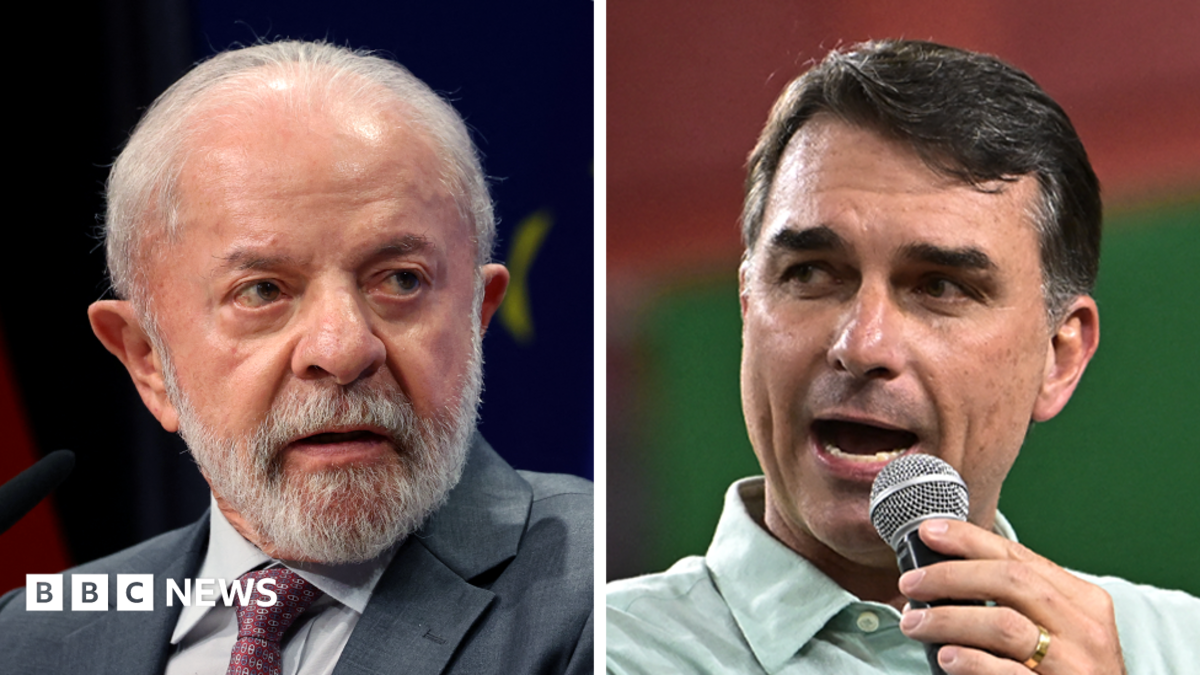
Flávio Bolsonaro, son of former Brazilian President Jair Bolsonaro, led the first round of the presidential election with 47.1% of the vote, narrowly ahead of incumbent Luiz Inácio Lula da Silva’s 45%, triggering a runoff election on October 25th. The result was a surprise to many pollsters, who had predicted a lead for Lula. With over 158.7 million eligible voters, including one million abroad, the election saw a strong showing for right-wing candidates across the country.
Bolsonaro’s performance was particularly strong in the south of Brazil, winning São Paulo, Minas Gerais, and Rio de Janeiro by significant margins, 52% to 38%, 50% to 43%, and 53% to 39% respectively. Lula secured large margins in the Northeast, but it was insufficient to overcome Bolsonaro’s gains. The unexpected strength of the right-wing also extended to congressional and gubernatorial races, with Jair Bolsonaro’s sons and former ministers securing seats. Of the 54 senators elected, 34 are from the right or hard-right.
Lula, who previously served as president from 2002-2010 and again from 2022, had warned voters that the choice was between strengthening democracy and “barbarism,” referencing his opponent’s links to Rio’s underworld. Bolsonaro, campaigning on a promise to “free the Brazilian people,” has the backing of his father, who is currently under house arrest after being convicted of plotting a coup following the 2022 election. The former president is barred from holding office and prohibited from posting on social media.
While Lula won majorities of the overseas vote in China, South Korea, New Zealand, and Saudi Arabia (56.63% in China), Bolsonaro won in Israel (74.40%) and Japan (71.59%). The composition of the Senate, where Bolsonaro’s Liberal Party currently holds the largest bloc, will also be determined by the results, with two-thirds of the chamber’s seats contested. The election outcome will have implications for relations with the United States, with a Bolsonaro victory potentially aligning Brazil with right-wing governments across Latin America, while a Lula victory could create friction with Washington.
Our reading is that the first round of the Brazilian presidential election represents a significant, and perhaps underestimated, strength of the right-wing political forces in the country. Despite the legal challenges facing Jair Bolsonaro, his son Flávio managed to secure a narrow lead over the incumbent Lula, defying poll predictions. The concurrent gains made by right-wing candidates in other races suggest this is not simply a protest vote, but a broader shift in the political landscape.
Read the original coverage
💬 Comments
📜 Comment Policy