Financial Security, Not Income, More Strongly Predicts Desire for Children
Among childless adults under 50, a sense of improving finances is a stronger predictor of wanting children than current income, according to the 2026 American Family Survey released by the Wheatley Institute at Brigham Young University and the Deseret News. The survey of 4,500 Americans found that 44 percent of those whose finances improved over the past year said they definitely want children, compared with 24 percent of those whose finances worsened. Income played a comparatively smaller role, with 29 percent of those earning under $50,000 and 32 percent of those earning $100,000 or more expressing a definite desire for children.
Experts suggest this indicates a focus on long-term financial security rather than present earnings. Andrew Cherlin, a professor emeritus of sociology at Johns Hopkins University, stated, “Whether your finances are going up or down tells people more about the future than does your income now.” Jeremy Pope, a political scientist at BYU, noted that while income isn’t the sole determinant, “people care about security, they just define it differently depending on their situation.” The survey also revealed that young adults increasingly prioritize financial stability, career establishment, and homeownership before starting a family, with higher earners listing even more conditions.
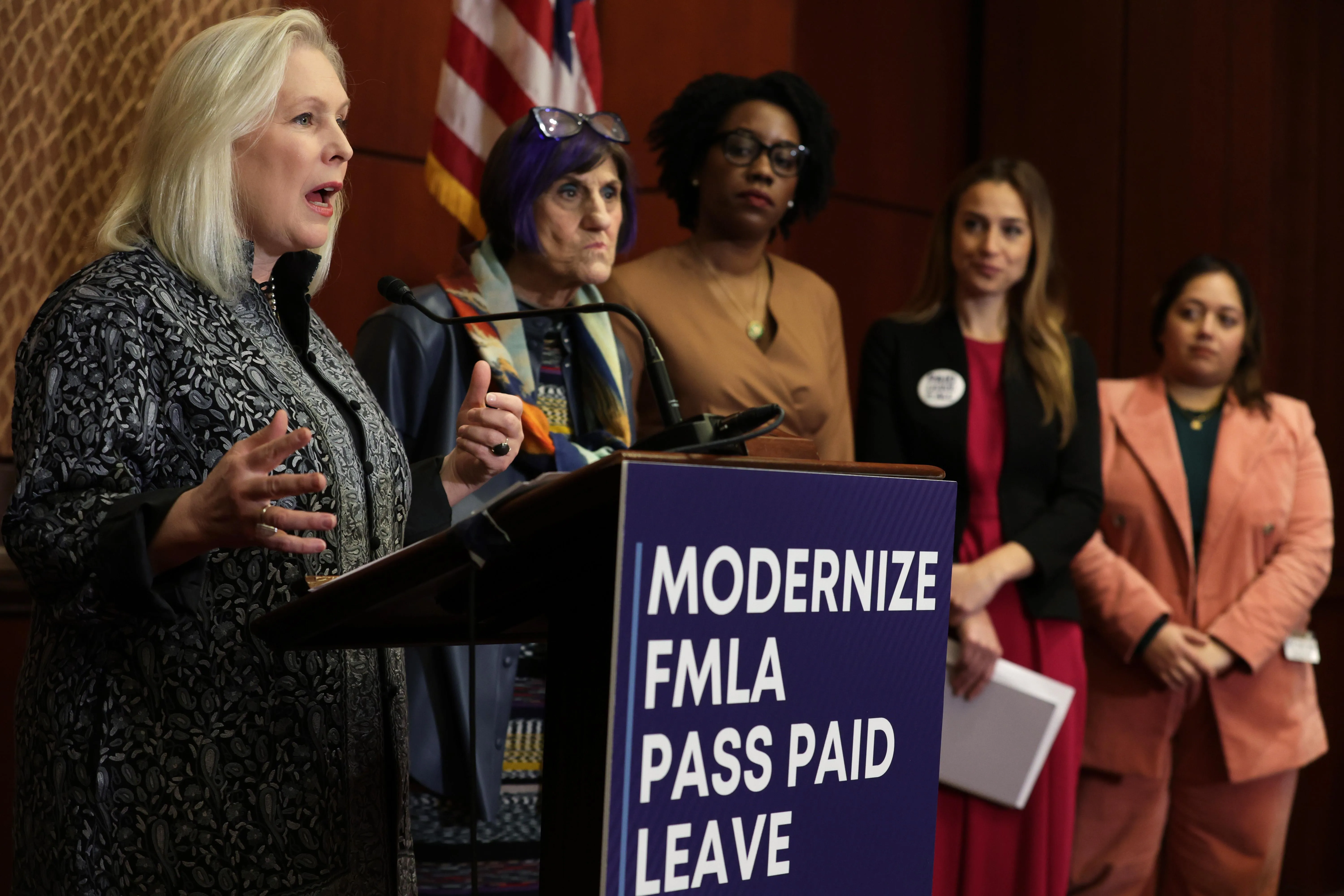
Karen Benjamin Guzzo, director of the Carolina Population Center at the University of North Carolina at Chapel Hill, explained that parenthood is a long-term commitment, leading people to seek assurance that they can financially support a child for 18 to 25 years. This desire for security is complicated by a lack of job stability and the increasing difficulty of meeting traditional prerequisites for parenthood. Policymakers, the report suggests, could better support family formation by focusing on measures that provide lasting financial security, such as affordable homeownership, permanent childcare assistance, and federal paid family leave, rather than temporary programs like stimulus checks or expansions of the child tax credit.
While the survey highlights the importance of financial security, it does not establish a clear threshold for what constitutes sufficient security, leaving open the question of how policymakers can effectively address the diverse financial situations and priorities of potential parents.
What is not yet known
- The survey does not specify a precise income level or financial condition considered sufficient for prospective parents to feel secure.
- The survey does not detail the specific financial priorities of different demographic groups beyond broad categories of income and age.
Background
- The 2026 American Family Survey, conducted by the Wheatley Institute at Brigham Young University and the Deseret News, surveyed 4,500 Americans regarding their desire for children and related factors [Fact Refinery, 2026-11-19].
- The survey found that 44 percent of those with improving finances expressed a definite desire for children, compared to 24 percent of those with worsening finances [Fact Refinery, 2026-11-19].
- Parenthood is understood as a long-term financial commitment, requiring resources for up to 25 years [Fact Refinery, 2026-11-19].
- Financial well-being has been a subject of research for decades, with studies examining its relationship to social status and overall life satisfaction [Pew Research Center, 2015-01-08; Nature, 2026-02-20].
Our reading
We begin by forecasting that the most likely outcome is continued prioritization of financial stability among potential parents, potentially leading to further declines in birth rates if economic conditions do not improve. A shift in policy towards the suggested measures, affordable homeownership, childcare assistance, and paid family leave, could tip the balance, encouraging family formation. A less likely scenario is a rapid economic turnaround that alleviates financial anxieties, though Goldman Sachs predicts moderate gains, not a surge. A broader aspect to consider is the potential impact on wealth inequality. The survey suggests that even higher earners are setting preconditions for parenthood, indicating that financial security is a relative concept. This could exacerbate existing inequalities, as those with greater resources are better positioned to meet these preconditions. The article implicitly highlights the challenges faced by prospective parents in a context of job instability and rising costs. It does not, however, address the potential pressures on those already parenting, or the differing priorities of individuals who may choose not to have children. Understanding these perspectives could offer a more complete picture of the evolving landscape of family formation.
What to watch
- The passage of any federal paid family leave legislation in the US [US Congress website].
- Changes in homeownership rates among those aged 25-40 [US Census Bureau].
- The next iteration of the American Family Survey, to see if the trend of prioritizing financial security continues [Wheatley Institute at Brigham Young University].
Read the original coverage
💬 Comments
📜 Comment Policy