Failed Execution in Tennessee Highlights Flaws in US Death Penalty System
AI-synthesized · Bias removed · Facts only
2 sources: 1 left · 0 center · 1 right
Facts are sacred. Opinion is labelled.
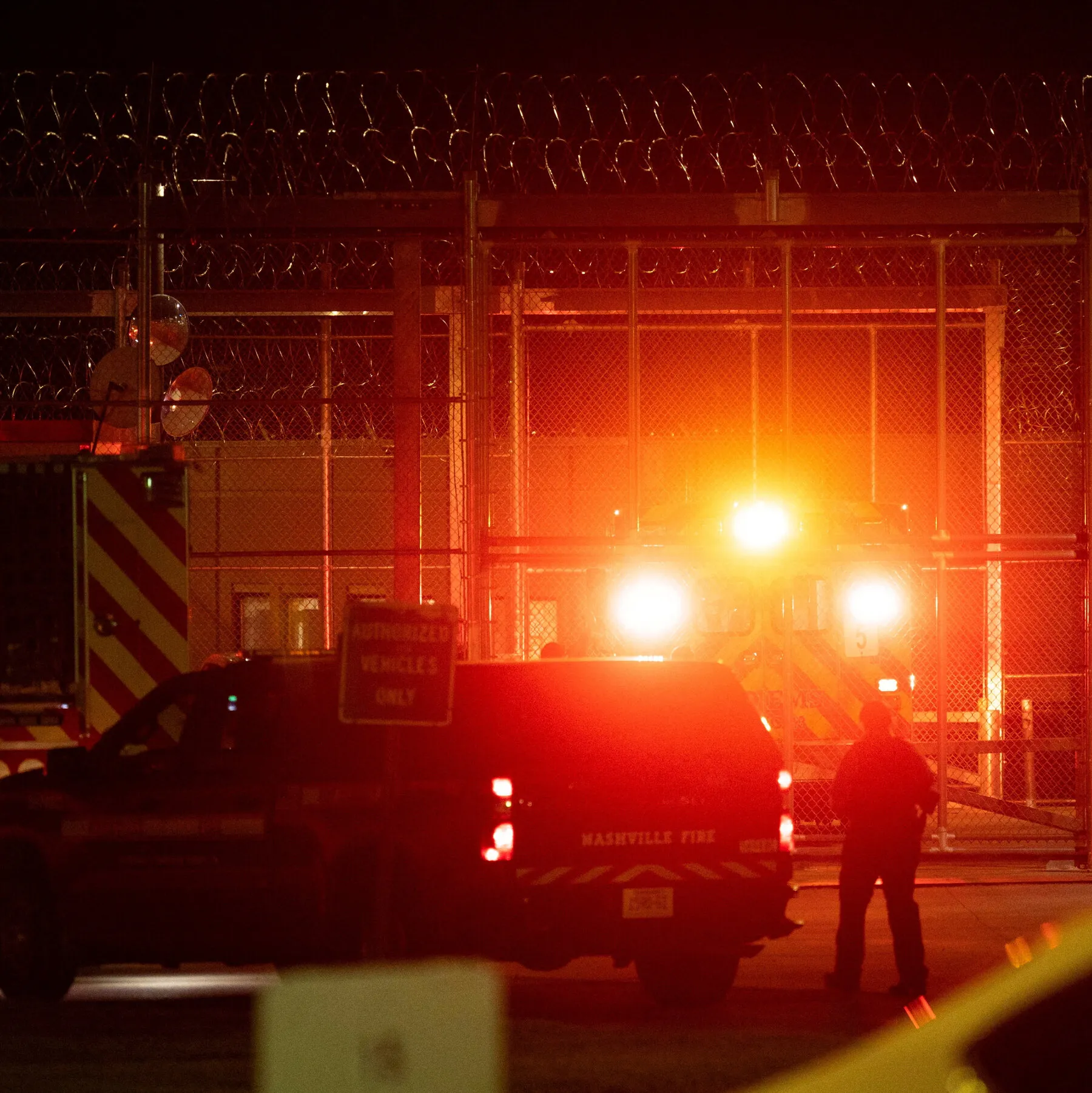
Image: Nytimes
The execution of Christa Pike in Tennessee, which left her clinging to life, was the latest in a series of errors within the American execution system. The New York Times reported this failure as part of a pattern of long-standing flaws. While the details of Pike’s case are specific, the incident has prompted renewed scrutiny of capital punishment procedures. National Review argues that the modern state’s approach to execution, medicalizing and sanitizing the process, erases the deterrence it is intended to create. The outlet suggests that a return to more direct methods might restore a sense of gravity and purpose to capital punishment. Left-leaning coverage focuses on the failures of the system itself, while right-leaning coverage emphasizes the importance of maintaining a deterrent effect. The incident raises questions about the reliability of lethal injection protocols and the qualifications of personnel involved in administering them. The long-term impact of these failures on public trust in the justice system remains uncertain.
Where they differ
- The New York Times framed the incident as evidence of systemic flaws in the execution process.
- National Review emphasized the importance of deterrence and criticized the ‘medicalization’ of capital punishment.
- The New York Times did not address the deterrent effect of capital punishment, focusing instead on the execution process itself.
- National Review did not detail specific failures in execution, but rather argued for a philosophical shift in approach.
What is not yet known
- The specific details of the errors that occurred during Christa Pike’s execution beyond the fact that she was left clinging to life are not detailed.
- The qualifications and training of the personnel involved in the execution are not specified.
Background
- Christa Pike was sentenced to death in 1996 for the 1995 murder of Colleen Slemmer, a case involving a satanic symbol carved into the victim [Fact Refinery, 2026-09-29].
- Pike requested to be executed by firing squad rather than lethal injection, a request that was not immediately addressed [Fact Refinery, 2026-09-30].
- Tennessee Governor Bill Lee denied Pike’s request for clemency, clearing the way for her execution [Fact Refinery, 2026-09-29].
- The Trump administration previously restricted White House access for CNN, Politico, and MS NOW, citing disputes over reporting [Fact Refinery, 2026-09-26].
Our reading
Our reading is that the failed execution of Christa Pike has exposed deep divisions in how the death penalty is viewed and administered in the United States. The differing coverage, focusing on systemic flaws versus the need for deterrence, highlights a fundamental disagreement about the purpose of capital punishment. The incident, coupled with the details of the botched attempt, suggests a growing crisis of confidence in the reliability of lethal injection as a humane and effective method of execution.
What to watch
- The findings of the third-party review ordered by Governor Lee regarding the Pike execution, to determine the cause of the failures [Governor Lee’s office].
- Any legislative action in Tennessee regarding a potential moratorium on executions or changes to lethal injection protocols [Tennessee State Legislature].
- Future court rulings on cases challenging the constitutionality of lethal injection, given the renewed scrutiny of the process [U.S. Supreme Court].
💬 Comments
📜 Comment Policy