Ex-Nvidia CEO’s Affair Linked to Alleged Chip Smuggling, Raising National Security Concerns
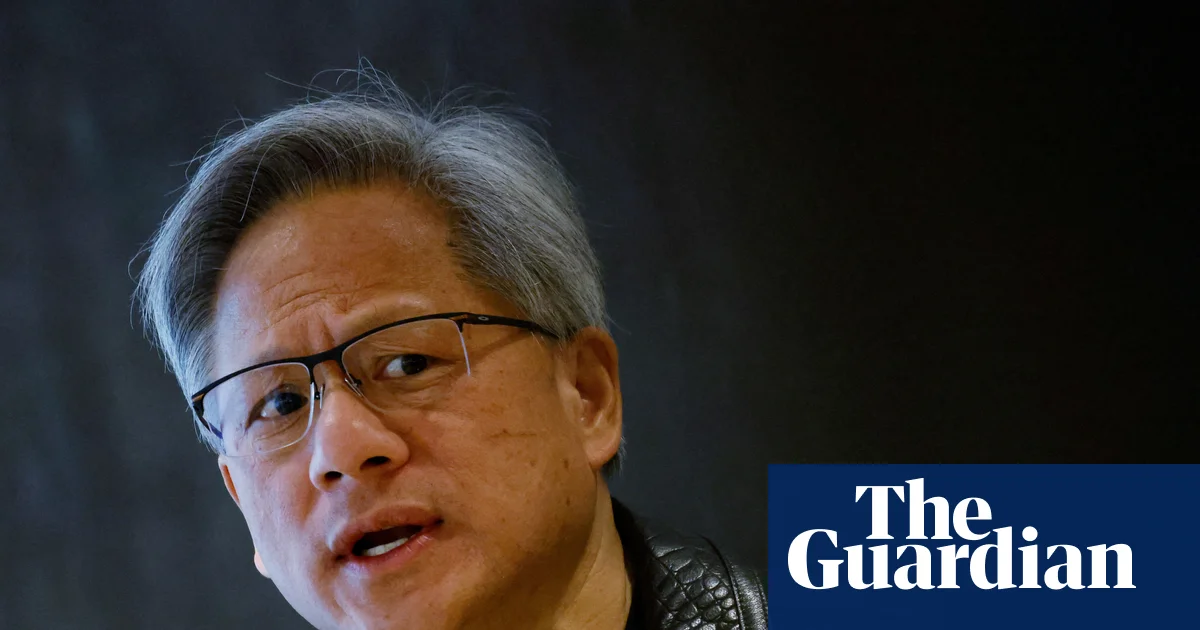
Former Nvidia CEO Jensen Huang’s reported affair with Alice Huang, an executive with alleged ties to Chinese intelligence, coincided with an estimated $12 billion in chip sales that circumvented US export controls, according to US officials. Senator John Kennedy characterized the situation as “the most expensive sex since Helen of Troy.” The allegations surfaced after Huang resigned as CEO on November 12th, prompting scrutiny of potential national security risks and the effectiveness of US export controls on advanced AI chips.
Lawmakers have released documents showing Nvidia applied to sell over 40,000 chips to a company connected to Alice Huang, also known as Huang Le, who led Megaspeed International. Megaspeed facilitated the sale of approximately $12 billion in chips in violation of US export controls designed to prevent the flow of advanced AI technology to China. Former National Intelligence Director Jay Clayton suspects China obtained Nvidia’s most advanced chips, while Senator Kennedy questioned how China bypassed export controls, suggesting either incompetence or intentional allowance by the Department of Commerce.
Kennedy specifically called for testimony from Commerce Secretary Howard Lutnick and Treasury Secretary Scott Bessent, alleging they either failed to enforce trade restrictions or knowingly allowed the circumvention. Bessent stated the Trump administration contacted Nvidia’s leadership to determine who oversaw compliance. Kennedy also criticized Lutnick for allegedly ignoring warnings about Megaspeed’s smuggling activities. Nvidia’s stock price has fallen 24.47% since Huang’s resignation.
While Kennedy expressed less concern with Huang’s personal conduct than with the potential security breach, he suggested the affair was a costly distraction. The Trump administration is currently investigating the extent of the chip smuggling operation and the role of individuals within the Department of Commerce.
Where they differ
- HuffPost Politics emphasized the 24.47% drop in Nvidia’s stock price since Huang’s resignation, while The Guardian did not.
- The Guardian reported Senator Kennedy’s comments during an interview on NBC’s Meet the Press and CNN’s State of the Union, providing more detail on the context of his remarks.
- HuffPost Politics directly quoted Kennedy’s comparison of the affair to the story of Helen of Troy, while The Guardian presented it as a characterization of the situation.
What is not yet known
- The full extent of Alice Huang’s alleged ties to Chinese intelligence remains unclear.
- The specific reasons for the Department of Commerce’s delay in blacklisting Megaspeed are still under investigation.
Background
- The Trump administration approved the sale of nearly 900,000 advanced AI chips to Chinese companies between December 2025 and May 2026, despite security concerns [Fact Refinery, 2026-11-19].
- Commerce Secretary Howard Lutnick is under investigation for allegedly delaying the blacklisting of Megaspeed International, a company suspected of facilitating chip diversion, despite warnings from multiple departments [Fact Refinery, 2026-11-22].
- Former Nvidia CEO Jensen Huang resigned on November 12th, coinciding with allegations of an affair and potential national security risks related to chip sales [Fact Refinery, 2026-11-19].
- Senator John Kennedy has been publicly critical of the handling of the situation, calling for testimony from Commerce and Treasury Secretaries and characterizing the affair as a costly distraction [Fact Refinery, 2026-11-19].
Our reading
We find the most likely outcome to be further congressional investigation and potential legal action against individuals within the Department of Commerce. The repeated emphasis on Lutnick’s role, coupled with Bessent’s testimony, suggests a focus on internal failures within the administration. A less likely scenario is a full-scale diplomatic crisis with China, as the article focuses on circumvention of existing controls rather than overt Chinese state action. However, if the investigation reveals direct evidence of Chinese government involvement in orchestrating the chip smuggling, that could escalate tensions significantly. The scale of the alleged chip diversion, $12 billion, highlights the vulnerability of US export controls and the potential for significant economic impact. The fact that these chips were destined for companies with ties to the Chinese military, as previously reported by Fact Refinery [2026-11-19], raises concerns about the strengthening of China’s AI capabilities. The situation is complicated by the personal conduct of Jensen Huang. While Kennedy downplays the affair itself, the fact that it coincided with the alleged smuggling operation creates a narrative of potential compromise. The internal dynamics within Nvidia, as hinted at by the New York Post report of Huang berating an executive, may also be a factor, though the article does not detail this.
What to watch
- The testimony of Commerce Secretary Howard Lutnick and Treasury Secretary Scott Bessent before Congress, to assess their explanations for the delays in blacklisting Megaspeed [US Congress, date unspecified].
- The results of the California Attorney General’s subpoena of Nvidia, to determine the extent of the chip diversion and any internal knowledge within the company [California Attorney General’s Office, date unspecified].
- Nvidia’s stock performance in the coming weeks, as an indicator of investor confidence and the perceived impact of the scandal [Stock Market, ongoing].
Read the original coverage
💬 Comments
📜 Comment Policy