Europe Faces Potential Energy Price Surge This Winter Amid Iran Conflict
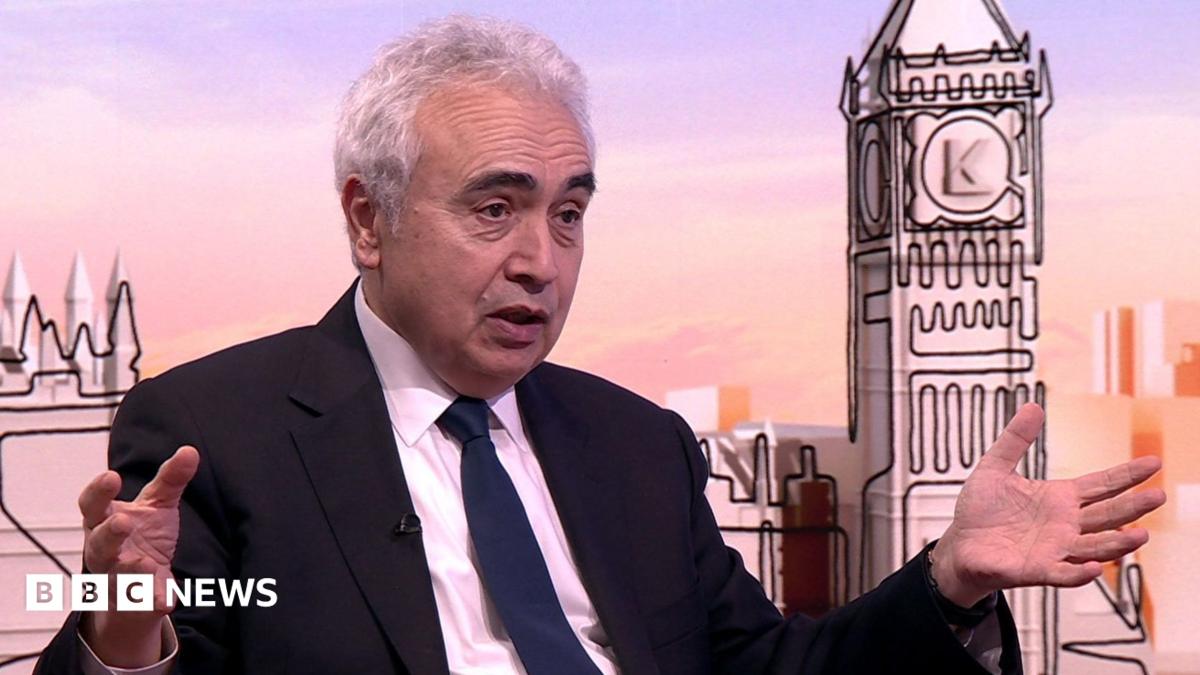
The head of the International Energy Agency (IEA), Fatih Birol, has warned that harsh winter weather in Europe, combined with ongoing disruption from the conflict in Iran, could drive energy prices even higher. Energy bills for UK households are already set to increase by 26% in January 2027, with wholesale gas prices up 33% in the last three months. Ofgem, the UK energy regulator, attributes these rises to the conflict in the Middle East. Birol stated that the current energy shock is larger than the combined oil shocks of the 1970s and the gas shock following Russia’s invasion of Ukraine, and that the global energy system is unlikely to return to its pre-war state. He cautioned that while he doesn’t anticipate shortages, a severe winter could lead to prices exceeding current levels, particularly if the Strait of Hormuz remains closed. A typical energy bill will increase by approximately £37 a month in the first three months of 2027, potentially reaching £60 in winter, though the exact amount depends on household usage. Charities and suppliers anticipate a rise in energy debt and demand for emergency support. Birol indicated that the Rosebank oil field development in the UK would have a limited impact on both UK oil production and international prices, contributing only 0.02% to overall tax revenues.
Birol emphasized the unprecedented nature of the current situation, stating, “The vase is broken. Once it is broken, you cannot bring it back together.” He stressed that the opening of the Strait of Hormuz is crucial for stabilizing the market. While a price decrease is typical in the spring with warmer weather, the possibility of further price increases in April remains dependent on wholesale gas prices over the next three months. The IEA chief warned that this is “the largest energy security threat in history.”
Where they differ
- The Independent highlighted the increase in annual bills to £443, while the BBC focused on the £37-£60 monthly increase.
- The Independent included a quote from Birol from March calling the conflict 'the largest energy security threat in history', while the BBC included it later in the article.
- The Independent detailed Birol's assessment of the Rosebank oil field, stating it would only reduce UK oil decline from 5% to 4.8-4.9%, a detail not present in the BBC report.
What is not yet known
- Whether the Strait of Hormuz will be reopened and to what extent.
- The specific impact of a harsh winter on energy prices beyond the possibility of further increases.
Background
- The Group of Seven (G7) nations agreed to release 100 million barrels of oil and diesel reserves following pressure from the US President, Donald Trump, who threatened a diesel export ban [Fact Refinery, 2026-10-02].
- Diesel prices surged globally, reaching $6.37 per gallon in the US and record levels in Europe, prior to the G7 agreement [Fact Refinery, 2026-10-02].
- President Trump has defied midterm election results by recommitting to policies voters rejected, including tariffs and support for autocratic leaders [Fact Refinery, 2026-11-28].
- Prior to the war in Iran, Brent crude traded around $73 a barrel [Fact Refinery, 2026-10-02].
- The Strait of Hormuz is a strategically vital waterway for global energy supplies [background knowledge].
Our reading
We begin by assessing the most likely outcome: continued high energy prices, potentially exceeding current levels if winter proves severe and the Strait of Hormuz remains closed. The IEA chief’s stark warning, the “vase is broken”, suggests a fundamental shift in the energy landscape, making a return to pre-war stability improbable. A less likely scenario involves a reopening of the Strait of Hormuz coupled with a mild winter, which could lead to the typical spring price decrease, though even this is contingent on wholesale gas prices. The fact that the Rosebank oil field will have a negligible impact on overall production and revenue underscores the limited effectiveness of short-term domestic solutions. Beyond immediate prices, this situation highlights Europe’s vulnerability to geopolitical shocks. The prior release of reserves by the G7, while intended to ease pressure, proved temporary and did not address underlying refinery capacity issues. The ongoing conflict in Iran, combined with the war in Ukraine, creates a complex web of supply disruptions, and the US President’s willingness to use energy as a political tool, as seen with the diesel export threat, adds another layer of instability. Considering the other side, the article offers little insight into the internal dynamics of Iran, only that conflict is ongoing. However, the US President’s actions suggest a willingness to escalate tensions, potentially limiting room for negotiation and prolonging the crisis. The fact that Trump is doubling down on policies voters rejected, despite economic concerns, suggests a prioritization of political goals over economic stability, further complicating the situation.
What to watch
- The status of the Strait of Hormuz: any reports of reopening or continued closure [various outlets].
- UK household energy bills in January 2027: confirmation of the 26% increase as predicted by Ofgem [Ofgem, January 2027].
- Wholesale gas prices over the next three months: monitoring for further increases or stabilization, as this will influence April prices [energy market reports].
Read the original coverage
💬 Comments
📜 Comment Policy