EU regulation has doubled in 15 years, while Swiss direct democracy is seen as a stabilizing factor
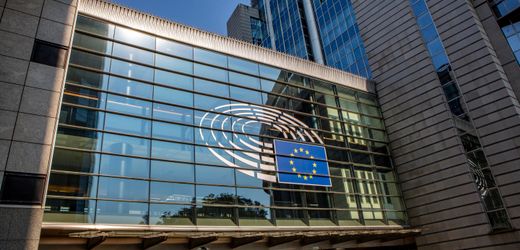
The amount of EU law has doubled within 15 years and now comprises 47,600 pages of norms, which is more than all German federal laws combined. According to a study, EU law has grown more strongly in recent years, although there was a reduction in two areas. Johann Schneider Ammann, former Federal Councillor, argues that Switzerland remains stable thanks to direct democracy and federalism, while divides are opening in Europe. He emphasizes that the new EU treaties interfere with the Swiss success model and calls for a public referendum on them. Schneider Ammann sees the involvement and co determination of citizens as well as subsidiarity as important elements that must be upheld in a currently shaken Europe. He refers to the recent riots in France and the growing dissatisfaction with political leaders as signs of the need for stronger citizen participation. It remains open how the EU treaties will specifically affect Swiss peculiarities and whether an adjustment of Swiss policy will be necessary.
Where they differ
- Spiegel Online focuses primarily on the increase in EU bureaucracy and the sheer amount of EU law.
- Tagesanzeiger.ch places the emphasis on the Swiss perspective and the importance of direct democracy as a stabilizing factor in the European context.
What is not yet known
- The concrete areas in which EU law has shrunk are not explained in further detail in Spiegel Online.
- It remains unclear what specific effects the new EU treaties will have on the Swiss success model.
- Our assessment
- We assume that the growing EU bureaucracy and the perceived alienation of citizens from political decision makers will further fuel dissatisfaction in Europe. The most likely development is an increase in populist pressure and a strengthened demand for direct democracy in other EU countries, possibly inspired by the Swiss model. A less likely, but not to be ruled out development would be a deepening of the divides within the EU if the new treaties do not strengthen citizen participation. Crucial for further development will be how the EU reacts to the criticism of its bureaucracy and whether it is prepared to adopt elements of direct democracy. The discussion about the EU treaties and their effects on Switzerland draws attention to the question of national sovereignty and the need to consider the interests of smaller states within the EU. The recent riots in France mentioned in the article could be a harbinger of further social unrest in other EU countries if citizens feel they are not being heard. It is conceivable that the Swiss government will come under pressure to adapt its policy to the new EU treaties, which could lead to internal tensions. The emphasis on direct democracy by Schneider Ammann indicates that Switzerland wants to defend its peculiarities and does not want to be dictated to by the EU.
- What to watch for
- A possible public referendum in Switzerland on the new EU treaties and their results [Spiegel Online, current article].
- The reaction of the EU to the criticism of its bureaucracy and the announcement of concrete measures to strengthen citizen participation [Spiegel Online, current article].
- The development of social unrest in France and other EU countries, particularly with regard to the demand for direct democracy [Tagesanzeiger.ch, current article].
Read the original coverage
💬 Comments
📜 Comment Policy