England Schools to Prioritize Daily Reading Time, Address Literacy Decline
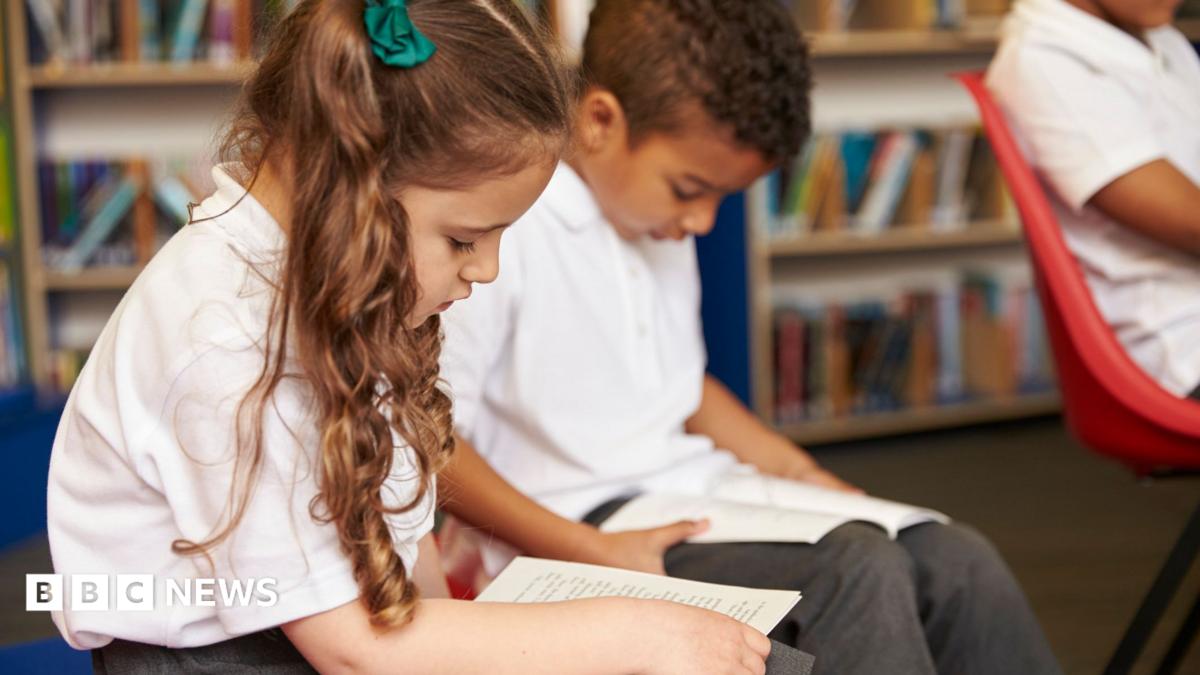
Schools in England will be required to set aside regular time for students to read for pleasure, as part of a government effort to address declining literacy rates. Primary schools will dedicate time daily, while secondary schools will allocate time weekly for reading entire books, poems, and literature. Education Secretary Lucy Powell framed the changes as a response to a “ticking time bomb” of falling literacy and a desire to counter the pull of excessive screen time, with new guidance also restricting phone use during the school day. A mandatory Year 8 reading check will be implemented to identify students needing additional support, and the government aims to halve the reading disadvantage gap by 2035, targeting at least 80% of students meeting expected reading standards.
The curriculum overhaul follows reviews indicating increasing disengagement among students in their early teens, impacting attendance and achievement. Secondary schools are also being directed to avoid early GCSE teaching in favor of a “richer, more engaging” Key Stage 3 experience. Powell stated, “Across the world, we are seeing a ticking time bomb for our future generations, as reading and literacy levels are falling with too many children seeing reading as a chore or missing out altogether.” The Department for Education also noted that reading enjoyment and levels remain low, particularly among disadvantaged children and boys.
Author Michael Morpurgo voiced support for the initiative, expressing his hope for regular storytime to become a standard part of the school experience. This curriculum shift marks the first major overhaul in over a decade, following reforms by former Education Secretary Michael Gove that focused on core knowledge and facts.
Background
- The Department for Education, under Education Secretary Lucy Powell, is undertaking a curriculum overhaul, with a focus on vocational qualifications and addressing educational disparities [Fact Refinery, 2026-09-24].
- A previous major overhaul of the English education system occurred over a decade ago, led by former Education Secretary Michael Gove, emphasizing core knowledge and facts [Fact Refinery, 2026-09-24].
- An inquiry into the educational outcomes of white working-class pupils found a societal need for broader support, with the Department for Education backing the initiative [Fact Refinery, 2026-09-09].
- Concerns about declining literacy levels and increased screen time are being voiced alongside reports of strain on the NHS and other public services [Fact Refinery, 2026-11-27, 2026-11-26].
Our reading
We begin by considering the most likely outcome: a gradual, uneven implementation of the new reading requirements. The stated goal of halving the reading disadvantage gap by 2035 suggests a long-term commitment, but achieving this will depend heavily on securing buy-in from secondary schools, who may resist shifting focus away from early GCSE preparation. A less likely outcome is widespread resistance, potentially leading to a diluted policy or a return to the status quo. This would require significant pushback from teachers’ unions or a change in government priorities. The focus on literacy aligns with a broader concern about societal wellbeing, as evidenced by the reports of strain on the NHS and the inquiry into white working-class pupils. This suggests a government attempt to address long-term societal challenges through educational interventions. The emphasis on reading for pleasure, however, may be a point of tension, given reports that a “relentless” focus on literacy can undermine enjoyment [The Guardian, 2026-04-28]. The situation with Tommy Robinson, facing charges under the Counter-Terrorism and Border Security Act, highlights a potential distraction for the government. While seemingly unrelated, the attention given to such cases could divert resources and political capital away from educational reforms. His claims of “state persecution” may resonate with segments of the population, creating a parallel narrative that undermines public trust in the government’s motives.
What to watch
- The publication of the inquiry into white working-class pupils’ outcomes and the resulting recommendations [Fact Refinery, 2026-09-09].
- The results of the Year 8 reading check, to be implemented as part of the new policy, and the subsequent allocation of support resources [Frognews].
- Ofqual’s regulations for the new vocational GCSEs, and the number of schools offering them by 2029 [Fact Refinery, 2026-09-24].
Read the original coverage
💬 Comments
📜 Comment Policy