The Government extends birth leave up to 20 weeks
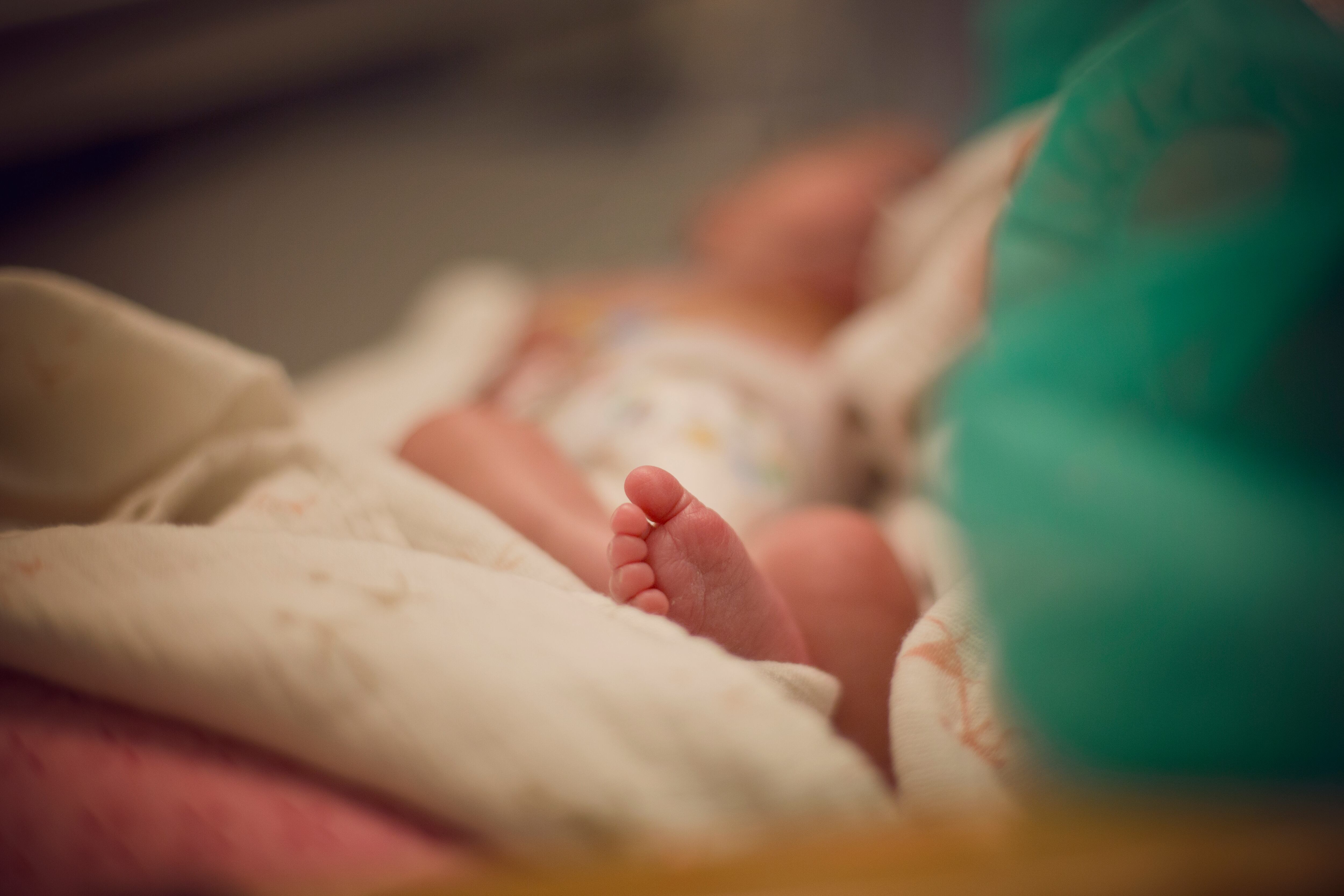
The Council of Ministers has approved extending birth and childcare leave up to 20 weeks, a measure that will also benefit single parent families, who will be able to enjoy 34 weeks of leave. The extension, which will enter into force shortly, responds to a commitment acquired in the coalition agreement between the PSOE and Sumar, and represents a new extension of the leave, which had already been increased from 16 to 19 weeks in 2025. The second vice president, Yolanda Díaz, has highlighted that both parents will have 20 paid and non transferable weeks, emphasizing that raising children is a shared responsibility. In 2018, mothers had 16 weeks of leave compared to five for fathers. The Government has also approved extending bereavement leave to ten days. Between January and September of this year, Social Security processed 374,638 benefits for birth and childcare, 5.2% more than in the same period of the previous year. The measure will have an impact on the Social Security accounts, which assume the payment of these benefits. The extension occurs a few days before the general elections on November 29, and is part of a set of measures that the Government has promoted in its last Council of Ministers of the legislature.
How they differ
• El Mundo emphasizes that the extension occurs in the final days before the elections, presenting it as the fulfillment of an electoral commitment.
• El Diario highlights the statements of the Government president, Pedro Sánchez, and the vice president Yolanda Díaz, stressing the fulfillment of promises and the importance of family reconciliation.
• La Vanguardia points out that the extension is one more step after leave was raised from 16 to 19 weeks in 2025, recalling the initial resistance of the PSOE to reach 20 weeks.
• El País focuses on the announcement of the extension, without highlighting the proximity of the elections or the internal negotiation within the government.
What is still unknown
• The detailed economic impact of the extension on the Social Security accounts is not specified beyond the statement that it will have an impact.
• The process of validation of the royal decree law in the Congress of Deputies is not detailed.
Our reading
We consider that the extension of birth leave up to 20 weeks, together with the 34 weeks for single parent families, is more likely to consolidate electoral support for the PSOE and Sumar, especially among undecided voters concerned about family reconciliation. A lower probability would be that this measure is perceived as a mere electoral gesture, without real impact on the living conditions of families. Success will depend on rapid implementation and effective communication of the benefits for citizens. The increase in birth benefits will have an impact on the Social Security accounts, which could generate debate about the long term sustainability of the system. El Diario points out that the government has fulfilled its promises, which could strengthen its image of reliability. The initial resistance of the PSOE to reach 20 weeks, mentioned by La Vanguardia, suggests internal tensions within the government regarding social policies. It is possible that this extension is the result of a complex negotiation between the coalition partners, and that there are disagreements over other similar measures. What to observe The validation of the royal decree law in the Congress of Deputies, which could reveal the position of other political parties [El País]. The publication of a detailed analysis of the economic impact of the extension on the Social Security accounts [El País]. The electoral results of November 29, which will indicate if this measure has influenced the behavior of the electorate [El Mundo].
Read the original coverage
💬 Comments
📜 Comment Policy