Democrat Josh Turek Flips Iowa Senate Seat, Securing Democratic Control of the Chamber
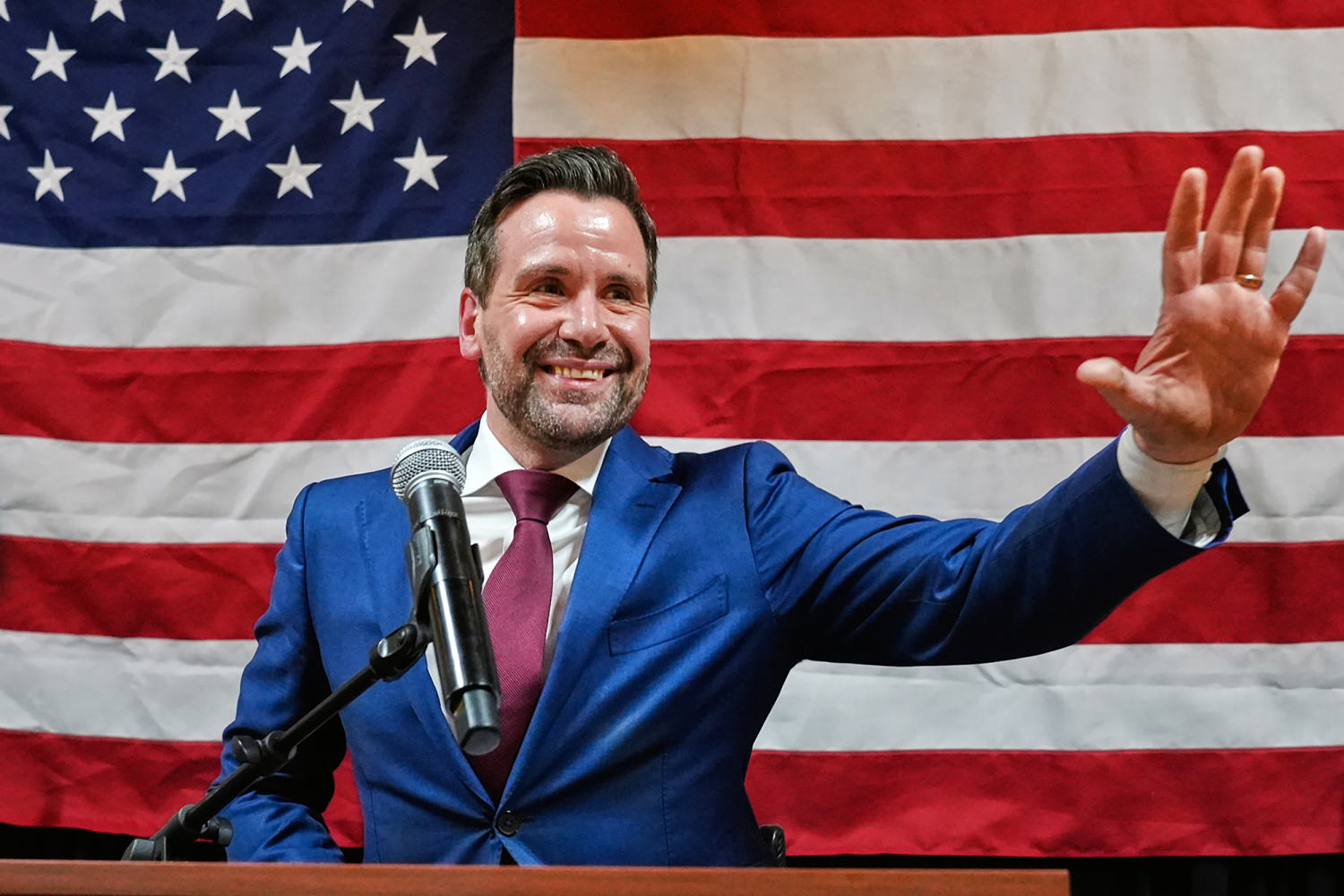
Democratic state Representative Josh Turek defeated Republican Representative Ashley Hinson in Iowa’s U.S. Senate race, flipping a Republican-held seat and giving Democrats control of the Senate. The victory ends over a decade of Republican control of both Iowa Senate seats. Turek’s campaign focused on economic issues, particularly the impact of Trump-era tariffs and rising fuel prices on Iowa’s agricultural industry and consumers. Hinson attempted to distance herself from some of former President Trump’s policies as her approval ratings fell, but ultimately could not overcome voter frustrations. The race was one of the most expensive in the country, with combined candidate fundraising exceeding $30 million and outside groups contributing over $100 million.
Turek, a two-time Paralympic gold medalist who uses a wheelchair due to spina bifida, distinguished himself as a “prairie populist” and emphasized his ability to win elections in Republican territory. He notably declined an endorsement from Vice President Kamala Harris and signaled openness to working with Trump on certain issues. Hinson criticized Turek over his attendance record in the Iowa House and his views on immigration, while Turek attacked her support for policies that he claimed would harm Iowa’s producers and consumers.
While Hinson condemned a controversial ad from an Ohio Republican candidate, she had previously voted against ending the war in Iran and supported a bill that Turek argued would reduce Medicaid spending. As President Trump’s approval ratings declined, the Iowa race became increasingly competitive, with both candidates emphasizing their bipartisan credentials. Turek ultimately outraised Hinson in the final quarter of the election. The outcome marks a significant breakthrough for Democrats in the Midwest, in a state that Trump carried by 13 points in 2024.
Where they differ
- Right-leaning outlets, such as the Daily Wire and Breitbart, emphasized economic discontent as a key factor in Turek’s victory and highlighted Turek’s past votes related to immigration policy.
- Left-leaning outlets, such as NPR and NBC News, focused on Turek’s success in tying Hinson to Trump and a Republican agenda unpopular with Iowa voters.
- Breitbart reported Turek missed a significant number of votes in the Iowa House and collected per diem payments, a point raised by Hinson during the campaign.
- Axios led with the immediate consequence of Turek’s win: securing Democratic control of the Senate.
What is not yet known
- The long-term impact of Turek’s victory on Iowa’s political landscape remains to be seen.
- Whether Turek will support Chuck Schumer as Senate Majority Leader was not definitively stated.
Background
- Iowa was considered a Republican stronghold, but recent Senate and gubernatorial races were considered toss-ups as of September 2026 [Fact Refinery, 2026-09-18].
- Democrats regained control of the US Senate in the 2026 midterm elections, securing gains in several states including Iowa [Fact Refinery, 2026-11-04].
- Prior to the 2026 election, Iowa had been under Republican control of both Senate seats for over a decade [Fact Refinery, 2026-11-04].
- Congressional redistricting has been a contentious issue in several states, with legal challenges and ballot initiatives impacting district maps [Fact Refinery, 2026-09-10].
Our reading
Our reading is that Turek’s victory represents a significant shift in Iowa’s political landscape, demonstrating a weakening of Republican support in the state. The article highlights a confluence of factors contributing to this outcome, including voter frustration with economic issues and the former President’s policies, as well as Turek’s ability to appeal to voters across party lines. The differing interpretations from right- and left-leaning outlets suggest a polarized understanding of the election’s drivers, with each side emphasizing narratives that support their pre-existing viewpoints.
What to watch
- Whether Turek publicly states his intention regarding the Senate Majority Leader position, clarifying his alignment within the Democratic caucus [article text: “Whether Turek will support Chuck Schumer as Senate Majority Leader was not definitively stated”].
- Future polling data and election results in Iowa to assess whether this outcome signals a lasting trend or a temporary aberration [article text: “The long-term impact of Turek’s victory on Iowa’s political landscape remains to be seen”].
- Any legislative actions taken by Turek that demonstrate his stated willingness to work with the former President, testing the sincerity of his bipartisan overtures [article text: “He notably declined an endorsement from Vice President Kamala Harris and signaled openness to working with Trump on certain issues”].
Read the original coverage
💬 Comments
📜 Comment Policy