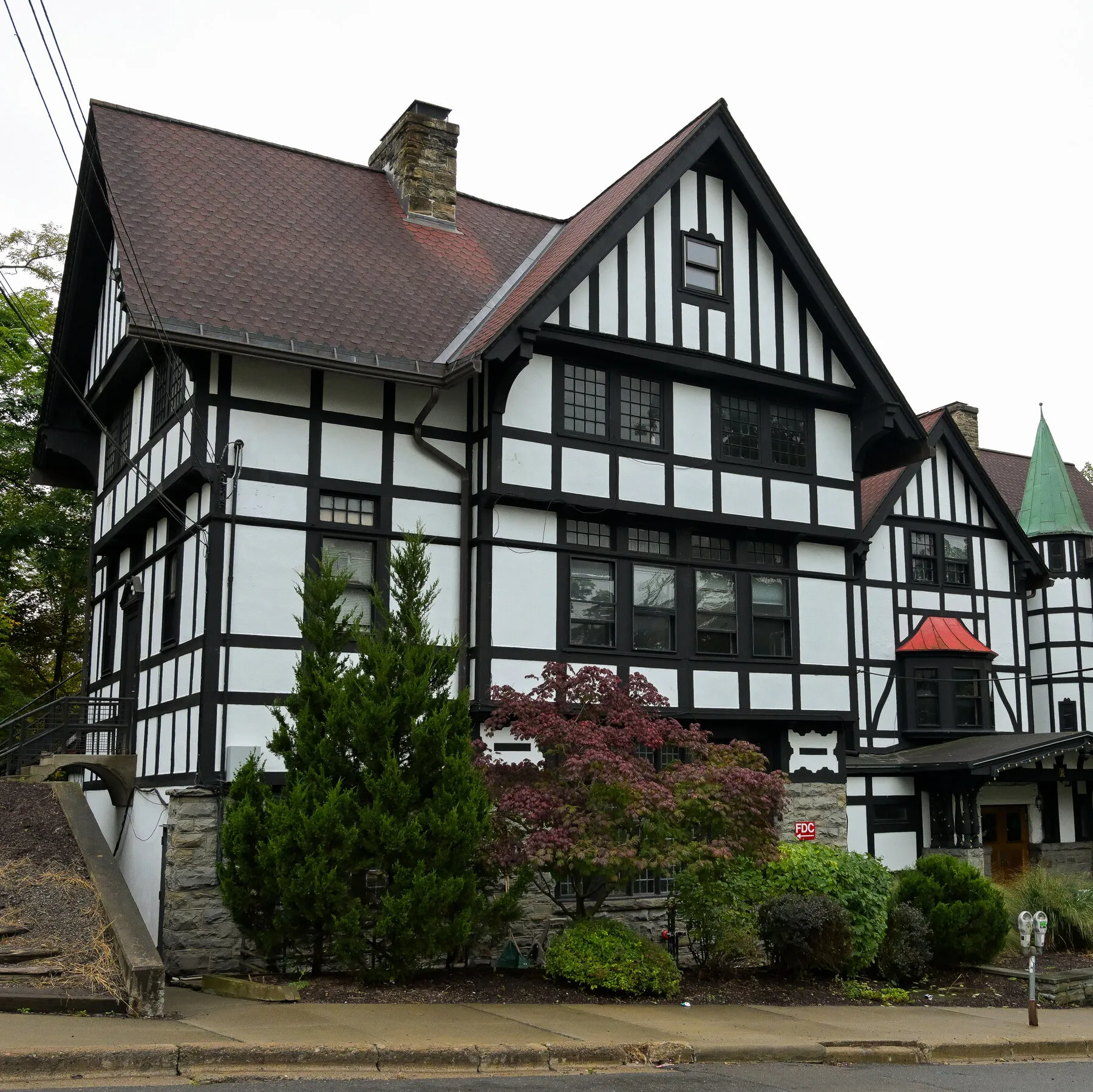
New York Governor Kathy Hochul has appointed Attorney General Letitia James as a special prosecutor to investigate allegations that a female student, known as “Jane Doe,” was sexually assaulted by seven men at a Chi Phi fraternity house at Cornell University in October 2024. The case has drawn national attention after Jane Doe filed a civil lawsuit nearly two years after the incident, alleging she was drugged and assaulted. Initial investigations by Cornell University and the Tompkins County District Attorney’s office did not result in criminal charges, with the District Attorney, Matthew Van Houten, stating the evidence did not meet the state’s requirements for prosecution. Cornell conducted its own investigation, resulting in disciplinary actions including the expulsion of two students, suspensions for others, and the banning of the Chi Phi fraternity from campus. While the university imposed penalties, critics argue the punishments were insufficient. Van Houten recently reopened the investigation, but Governor Hochul subsequently appointed James as special prosecutor, citing a loss of faith in his handling of the case. The lawsuit alleges not only the actions of the seven men but also failures by the university, fraternity organizations, and a local bar to protect Jane Doe.
According to testimony given to Cornell police, Jane Doe was given alcohol and ketamine at the fraternity house, and multiple men engaged in sexual activity with her while she was intoxicated. The Washington Examiner reports that Cornell expelled two students involved, suspended three others, and required two more to complete educational programs and write reflection papers. The fraternity was also shut down. El País reports that the university’s handling of the case has drawn outrage, with graffiti appearing on campus accusing Cornell of protecting rapists.
Left-leaning outlets emphasize the alleged failures of the university and the initial investigation to adequately address the allegations of sexual assault, while right-leaning coverage highlights the university’s disciplinary actions and the initial determination that the conduct was consensual. Vox details the timeline of events and questions why criminal charges were never filed, while the Washington Examiner focuses on the university’s response and the plaintiff’s subsequent legal action.
The appointment of James signals a renewed effort to investigate the allegations and potentially hold those responsible accountable, but the outcome of the investigation is uncertain.
Our reading is that this case is notable not only for the serious allegations themselves, but for the multiple layers of scrutiny and shifting responsibility. The appointment of a special prosecutor after the initial investigation failed to produce charges suggests a lack of confidence in the existing legal processes, and the differing coverage highlights the difficulty in interpreting the available evidence. The fact that the case has been reopened multiple times, and is now subject to both a criminal and civil investigation, indicates a persistent demand for accountability.
Read the original coverage
💬 Comments
📜 Comment Policy