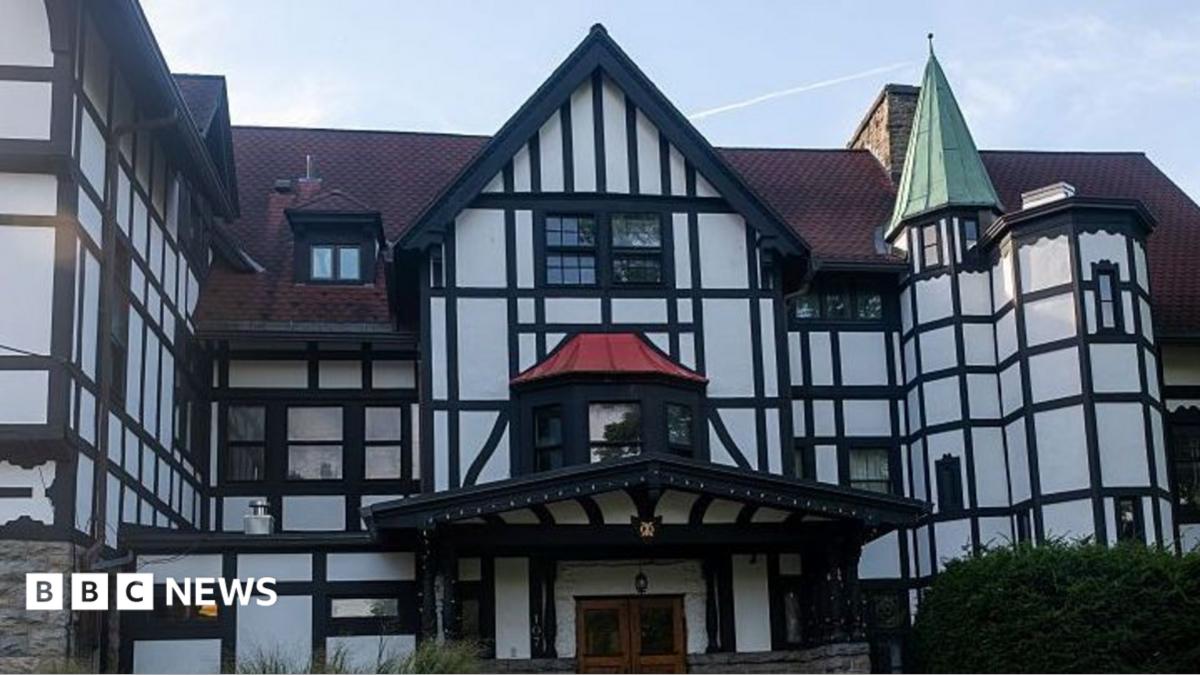
Cornell University President Michael Kotlikoff has pledged a thorough review of the university’s handling of allegations that seven former Chi Phi fraternity members sexually assaulted a student in October 2024. The student, identified as Jane Doe, alleges she was drugged and assaulted at the fraternity house, and filed a civil lawsuit last month after Cornell University Police investigated but did not file criminal charges. Kotlikoff stated the university “must do better” and will examine the role of fraternities and sororities on campus. New York Governor Kathy Hochul has appointed Attorney General Letitia James as a special prosecutor to investigate the case, and Cornell has agreed to an independent review of its handling of the allegations.
Doe reported to police she was incapacitated due to alcohol and drugs during the alleged assault, stating with “100% confidence” she was raped. Cornell says some of the accused students were expelled or temporarily suspended following its initial investigation. The case has sparked outrage and a social media campaign with people identifying as “Jane Doe” in solidarity. The Tompkins County District Attorney reopened the criminal investigation before Hochul’s appointment of the Attorney General. The university’s initial response and communication about the case have drawn criticism from students and officials.
While Cornell has taken some disciplinary action, Kotlikoff acknowledged the need for greater transparency and a more comprehensive approach to preventing sexual assault. He stated the university would not wait for the completion of the independent and criminal investigations before implementing changes to prevention, education, and support resources. The incident has also prompted a broader discussion about consent, campus culture, and the responsibilities of Greek life organizations.
Our reading is that this case is notable not simply for the alleged assault, but for the layered and critical scrutiny of the initial handling of the allegations. The appointment of a special prosecutor by the Governor and the independent review by Cornell suggest a lack of confidence in the original investigation, and a desire for greater transparency. The differing emphasis in media coverage highlights the complexity of the situation, with some outlets focusing on the university’s acknowledgement of shortcomings while others emphasize its commitment to finding answers.
Read the original coverage
💬 Comments
📜 Comment Policy