COP31 Climate Talks Near Deal as Divisions Over Fossil Fuels Persist
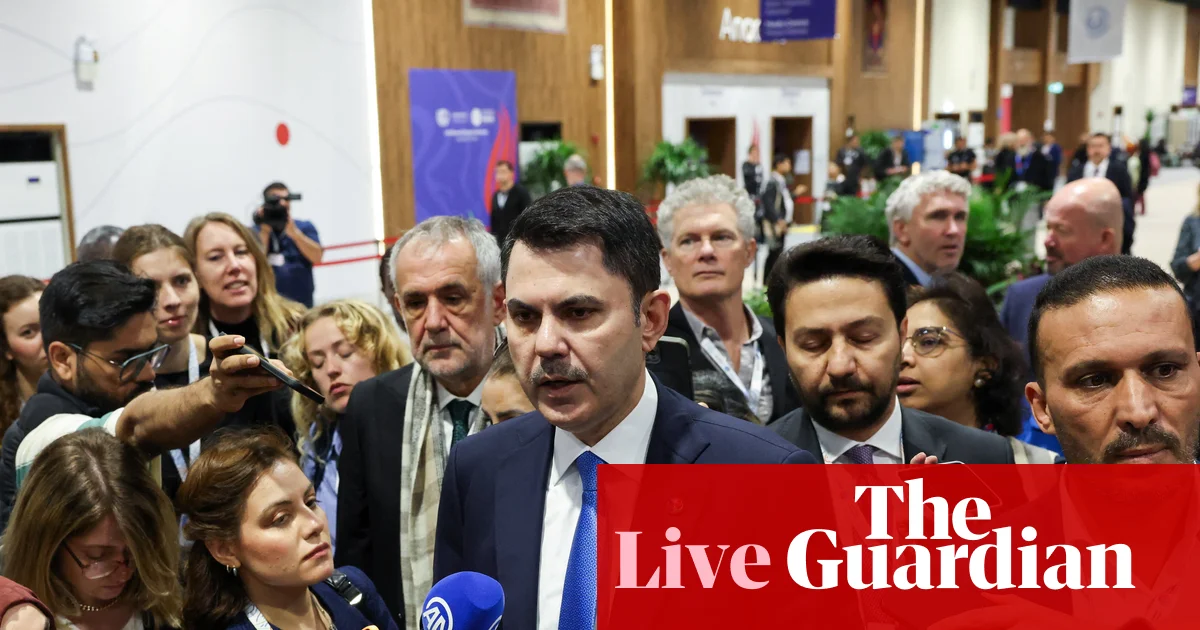
Climate talks at the COP31 summit in Antalya, Turkey, are nearing a final agreement after extending into a 14th day of negotiations, but remain stalled over the inclusion of language addressing fossil fuels. A third draft agreement, released early Sunday, attempts to bridge divides by referencing a previous agreement from COP28 in Dubai, the only UN climate agreement to explicitly mention fossil fuels, rather than directly calling for a transition away from them. Negotiators from the European Union, Panama, the Solomon Islands, Cote d'Ivoire, and others have pushed for the inclusion of a commitment to move away from fossil fuels, while Saudi Arabia and other oil-producing states have resisted.
The latest draft also removes a numerical target for carbon capture technology development and emphasizes powering electrification with clean energy. Despite these adjustments, observers like Mohamed Adow of Power Shift Africa criticize the text as a “total mess” that prioritizes expensive carbon removal technologies over vital climate finance for vulnerable nations. Climate Action Network notes the language is weak, with more instances of ‘recognizing’ and ‘recalling’ than ‘deciding’ on action. Turkish Environment Minister Murat Kurum expressed optimism that concerns had been addressed, but delegates have until 3am GMT to raise objections before a scheduled approval session at 6am GMT.
The summit has been marked by rescheduling of flights as negotiators struggle to reach a consensus, raising the risk of the talks being suspended and reconvened next year, a scenario that has only occurred once in the history of COP meetings. France and Panama have led calls for a clear transition away from fossil fuels, while Antigua and Barbuda expressed disappointment with the draft's silence on the issue. The talks follow a year of climate disasters, including floods in Mozambique and Nepal, which some hoped would galvanize action.
Where they differ
- The Guardian and BBC emphasized the talks were at a near halt, while Channel 4 News focused on the draft agreement being a 'gift to the fossil fuel industry'.
- Euronews highlighted the strong opposition from oil-producing countries, while other sources presented it more generally as resistance to phasing out fossil fuels.
- The Independent detailed specific climate disasters that occurred this year, providing context for the urgency of the talks, a detail less prominent in other reports.
What is not yet known
- Whether a final agreement will be reached, and if not, what the consequences will be for future climate action.
- The specific details of the concessions made by Saudi Arabia and other oil-producing states, and the extent to which they are satisfied with the current draft.
Background
- The UN Climate Change Conference, known as COP, is an annual summit where nearly 200 countries convene to address global warming [background knowledge].
- COP31 is the current iteration of these talks, taking place in Antalya, Turkey [Business Standard, 2026-11-21].
- A key point of contention at COP31 is the omission of explicit language regarding fossil fuels from the initial draft agreement [Fact Refinery, 2026-11-21].
- Panama recently experienced a 7.6 magnitude earthquake and tsunami warnings, impacting infrastructure and potentially diverting resources [Fact Refinery, 2026-10-09].
- Negotiations on lethal autonomous weapons at the UN in Geneva yielded a compromise agreement to discuss options for regulation, but fell short of legally binding rules [Fact Refinery, 2026-11-22].
Our reading
We begin by assessing the likely outcomes. Most likely, a compromise will be reached before the 3am GMT deadline, mirroring the COP28 agreement and referencing it rather than forging new ground on fossil fuel reduction. This is because the draft already attempts to bridge the gap by referencing the Dubai agreement, and Turkish Environment Minister Murat Kurum expresses optimism. A less likely scenario is a complete breakdown of talks, leading to suspension and reconvening next year, given the historical rarity of such an outcome. A shift in position from Saudi Arabia, perhaps accepting language around ‘recognizing’ the need to transition, would tip the balance towards a deal. Beyond the immediate outcome, the emphasis on carbon capture technology, criticized by Power Shift Africa, suggests a potential shift in focus away from immediate emissions reductions and towards technological solutions. This could have broader implications for investment in renewable energy versus carbon removal technologies. The reports from The Guardian, BBC, and Channel 4 News, diverging in their emphasis, indicate a struggle to present a unified narrative, with some outlets framing the agreement as a win for fossil fuel interests. The resistance from oil-producing states is not merely obstructionist; their economies are heavily reliant on fossil fuels, and a rapid transition poses significant economic risks. The fact that no right-leaning outlet reported on the initial extension of talks [Fact Refinery, 2026-11-21] suggests a potential ideological divide in how the issue is perceived and reported.
What to watch
- The final text of the agreement, specifically the language used regarding fossil fuels, to determine whether it represents a meaningful commitment or a continuation of weak wording [COP31 official website, expected 6am GMT].
- Statements from Saudi Arabian officials following the approval session, to gauge their satisfaction with the final agreement and potential future commitments [Saudi Ministry of Energy, post-6am GMT].
- Reports of any further climate disasters in the coming weeks, which could galvanize future action or further expose the urgency of the situation [major news outlets, ongoing].
Read the original coverage
💬 Comments
📜 Comment Policy