Commerce Secretary Lutnick Faces Scrutiny Over Nvidia Chip Sales to China
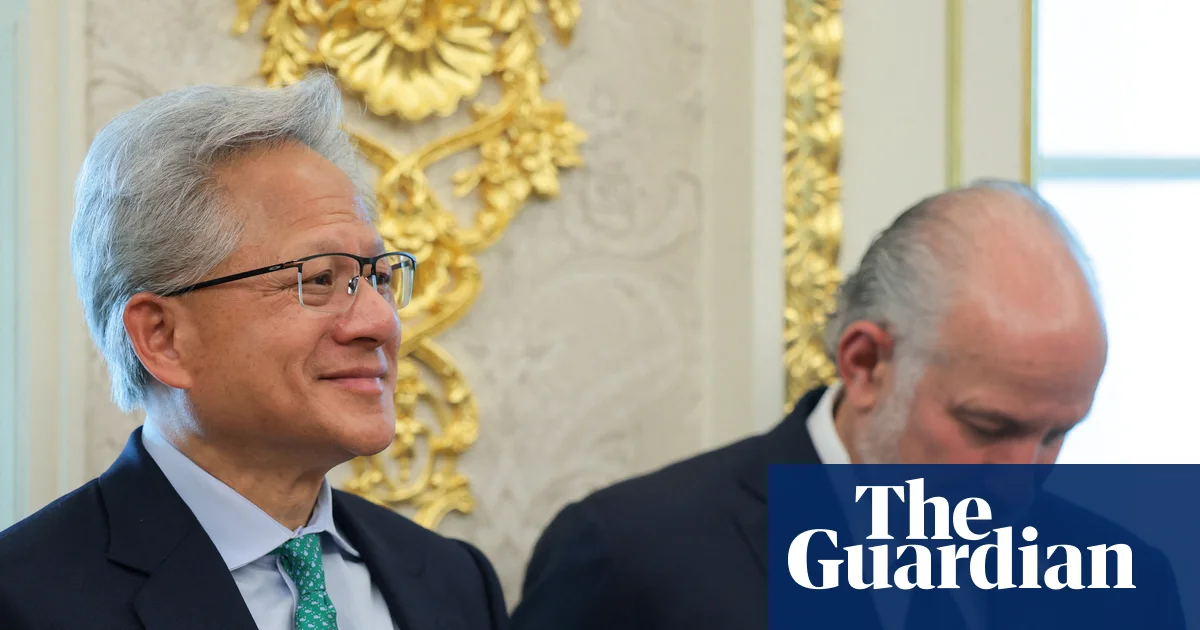
US Commerce Secretary Howard Lutnick, a long-time ally of Donald Trump, is emerging as a key target for congressional investigation following revelations about the sale of advanced Nvidia AI semiconductors to China. The scrutiny centers on allegations that Lutnick’s department stalled efforts to place Megaspeed International, a company suspected of facilitating the chip diversion, on a trade blacklist despite warnings from the Treasury, Defense, and State departments. The controversy is compounded by the resignation of Nvidia CEO Jensen Huang over an extramarital affair with a woman US intelligence agencies suspect of being a Chinese spy.
Lutnick’s friendship with Trump dates back decades, and he was a prominent supporter of Trump’s 2024 campaign, co-chairing his transition team. The Guardian reports that Lutnick has been overshadowed by other controversial figures in the Trump administration until now. The Treasury Secretary Scott Bessent revealed that multiple departments wanted Megaspeed blacklisted months ago, but Lutnick’s Commerce Department stalled enforcement, with Bessent stating, “Commerce has the pen, and you will have to ask them about their internal processes.” This has led to accusations that Lutnick either personally intervened or instructed subordinates to disregard intelligence warnings.
Republican Senator Tom Cotton, chair of the Senate intelligence committee, is among those expressing concern. Democrats are vowing to investigate and demand Lutnick’s testimony, questioning whether he compromised national security for personal financial gain. The alleged diversion of $4 billion in chips to Chinese technology firms breaches US export controls. The scandal has drawn a rare backlash from both Democrats and Republicans, with some questioning Lutnick’s motives and actions. The situation is further complicated by the resignation of Nvidia’s CEO, Jensen Huang, due to an affair with Alice Huang, a former Megaspeed executive suspected of being a Chinese spy.
What is not yet known
- The extent of Lutnick’s personal involvement, if any, in the decision to delay blacklisting Megaspeed remains unclear.
- Whether the alleged diversion of chips to China has demonstrably impacted US national security is not detailed in the sources.
Background
- Howard Lutnick is a long-time ally of Donald Trump, having co-chaired his 2024 transition team [Fact Refinery, 2026-11-20].
- Nvidia CEO Jensen Huang admitted to an affair with Alice Huang, a former Megaspeed executive suspected of ties to Chinese intelligence [Fact Refinery, 2026-11-09].
- The US Treasury, Defense, and State departments previously recommended blacklisting Megaspeed International due to suspicions of facilitating chip diversion to China [Fact Refinery, 2026-11-20].
- US policy allowing the sale of Nvidia’s H200 AI chips to China remains unchanged, despite concerns about “leakage” [Fact Refinery, 2026-11-20].
- The US Navy’s shipbuilding plan is facing cost increases and strain due to the conflict in Iran [Fact Refinery, 2026-11-21].
Our reading
We begin by assessing the most likely outcome: Lutnick will face significant political pressure, potentially leading to his removal from office. The bipartisan condemnation, coupled with Senator Cotton’s investigation and Democratic vows for further scrutiny, suggests a strong push for accountability. A key factor tipping the balance will be the discovery of direct evidence linking Lutnick to the delay in blacklisting Megaspeed, or proof of personal financial gain. A less likely outcome is that Lutnick successfully weathers the storm, relying on Trump’s continued support and potentially framing the delays as bureaucratic caution. This would require a convincing explanation for the stalled enforcement and a downplaying of the intelligence warnings. The scandal intersects with broader concerns about US-China competition in artificial intelligence. The alleged diversion of $4 billion in chips highlights the vulnerability of export controls and the potential for China to acquire advanced technology despite restrictions. This is especially sensitive given the recent focus on AI oversight, as evidenced by the Commerce Department’s directive to Anthropic [Fact Refinery, 2026-11-20]. The situation is further complicated by the concurrent investigation into Nvidia’s accounting practices [The New York Times, 2026-11-21], potentially suggesting systemic issues within a key technology firm. Considering the other side, the Chinese government likely views this situation as further evidence of US attempts to stifle its technological advancement. The accusations of espionage and the scrutiny of Megaspeed could be framed as politically motivated attacks. The affair involving Jensen Huang provides additional fodder for China to portray the US as hypocritical, given its own history of intelligence gathering. The internal pressure on Nvidia, stemming from the scandal and the SEC probe, may limit its ability to effectively counter US export controls.
What to watch
- The findings of the Senate intelligence committee investigation, specifically any evidence of Lutnick’s direct involvement [WSJ, 2026-11-20].
- The timeline for the House Democrats’ probe into whether Nvidia influenced the Commerce Department’s decision [Politico, 2026-11-20].
- Any formal charges or findings from the SEC investigation into Nvidia’s accounting practices [The New York Times, 2026-11-21].
Read the original coverage
💬 Comments
📜 Comment Policy