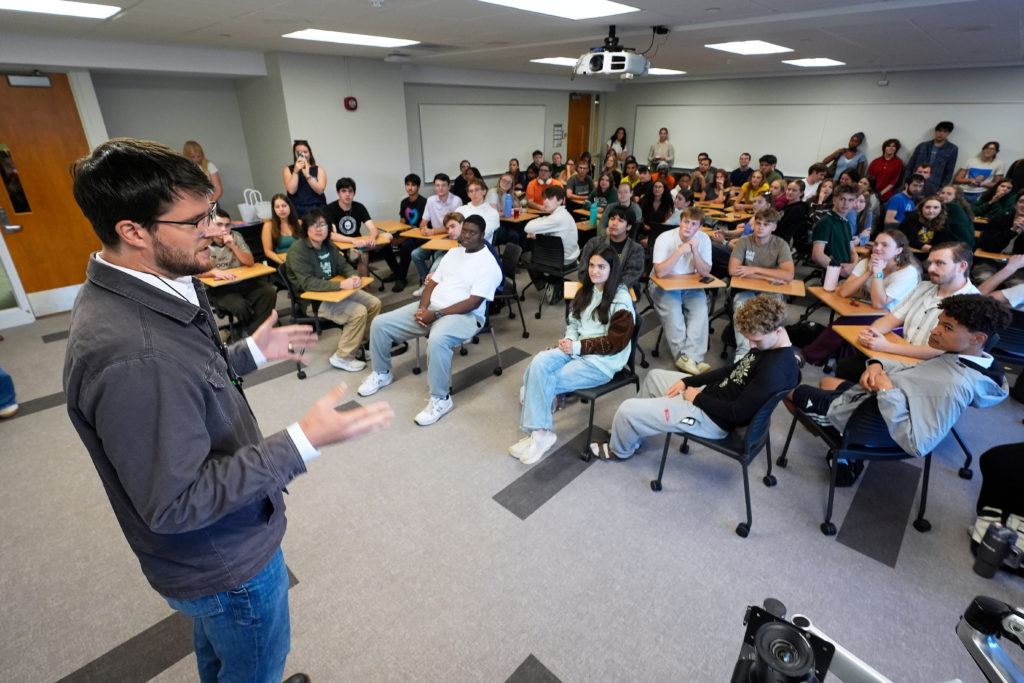
A sense of despair about the future is contributing to political anxiety among college students, according to recent coverage. Frankie Llerandi, a 21-year-old Michigan State University student, has been unable to secure an internship in three years of study, a challenge reflecting broader difficulties students face in transitioning to adulthood. This anxiety is fueling a restlessness with the national political system, with students expressing concern that it is no longer capable of improving their lives or interested in addressing their needs.
Both left-leaning and right-leaning outlets report on this growing sense of anxiety, though the focus differs. Left-leaning coverage emphasizes the systemic issues driving student concerns, framing it as a lack of responsiveness from the political system. Right-leaning coverage highlights the individual struggles of students like Llerandi, focusing on the practical challenges of finding employment. Not in dispute is the rising level of anxiety among students about their future prospects.
While the sources establish a correlation between student anxiety and political disengagement, they do not detail the specific policy preferences of these students, nor do they quantify the extent to which this anxiety will translate into altered voting behavior. The long-term impact of this disillusionment on future political participation remains an open question.
Our reading is that a growing sense of anxiety about future prospects is contributing to political disengagement among college students, with different political outlets framing the issue through distinct lenses. The left focuses on systemic failures while the right emphasizes individual struggles, but both acknowledge the core problem of rising student anxiety. This suggests a broad recognition of a problem, even if the proposed solutions or interpretations differ significantly.
Read the original coverage
💬 Comments
📜 Comment Policy