China’s Shenzhen Transforms with AI, While US Debates Data Center Growth
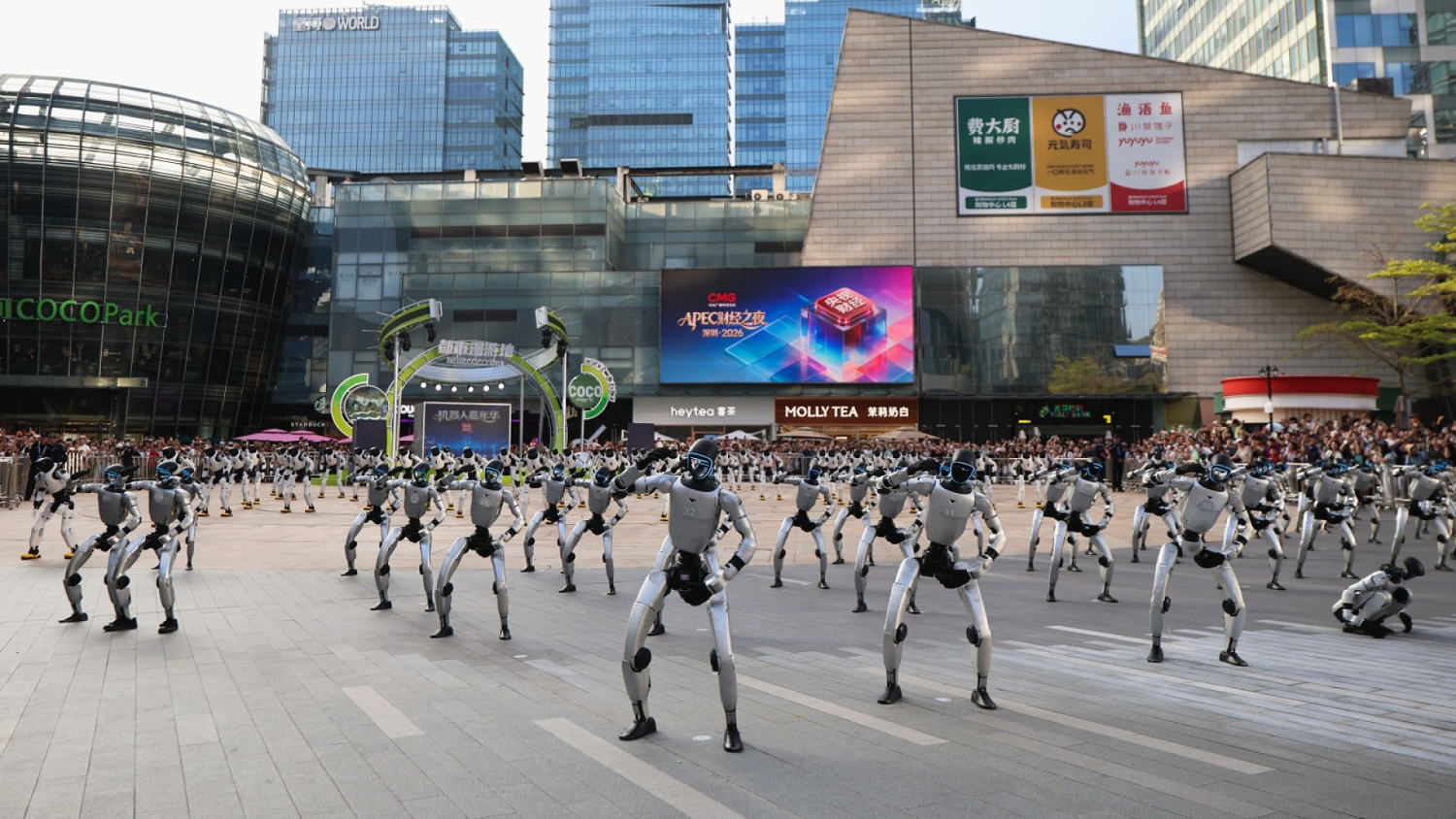
China’s tech hub of Shenzhen is undergoing a rapid transformation driven by artificial intelligence, featuring self-driving taxis, delivery drones, and humanoid robots, according to reporting from NBC News. This development occurs as the United States grapples with public skepticism towards AI and the expansion of data centers needed to power it. Senator Mark Kelly described a planned data center in New Mexico as equivalent to 1,000 football fields, a claim verified by Searchlight New Mexico. Following midterm elections, over 40 ballot measures seeking limits on data center growth passed across the country, and candidates supporting AI regulation saw success in competitive districts. This indicates a growing disconnect between those building AI infrastructure and the broader public, a dynamic Silicon Valley appears to be acknowledging but attempting to address through marketing and innovation rather than fundamental change.
At a recent Semafor conference, Senator Kelly’s comments on data center size drew skepticism from an audience member, highlighting the public’s concerns about the scale and impact of these projects. The audience also reacted with amusement to Kelly’s joke about former President Trump and displayed blank expressions when he discussed AI regulation, but showed interest when he mentioned potential investigations into Nvidia leader Jensen Huang. This exchange encapsulates the current tension between Silicon Valley and the rest of the US, where many are not convinced by the vision of an AI-powered future.
Tech executives appear to view public anxiety as a problem to be solved through communication and infrastructure development, similar to how they previously handled antitrust concerns. However, the current anti-AI sentiment is considerably more intense than past tech anxieties. While acknowledging the issue, Silicon Valley continues to prioritize growth, even as financing becomes more challenging and regulations tighten.
Where they differ
- NBC News focused on the technological advancements occurring in Shenzhen, China, showcasing the city’s AI-driven innovations.
- Semafor centered its reporting on the growing public backlash against AI and data center expansion within the United States, highlighting the disconnect between Silicon Valley and the broader population.
What is not yet known
- The long-term impact of the public’s anti-AI sentiment on the future of AI development and regulation remains unclear.
- Whether Silicon Valley will fundamentally alter its approach to AI development in response to public concerns is unresolved.
Read the original coverage
💬 Comments
📜 Comment Policy