Chancellor Healey Rejects Calls to Raise Capital Gains Tax Ahead of Budget
AI-synthesized · Bias removed · Facts only
2 sources: 2 left · 0 center · 0 right
Facts are sacred. Opinion is labelled.
Image: Bbc Us
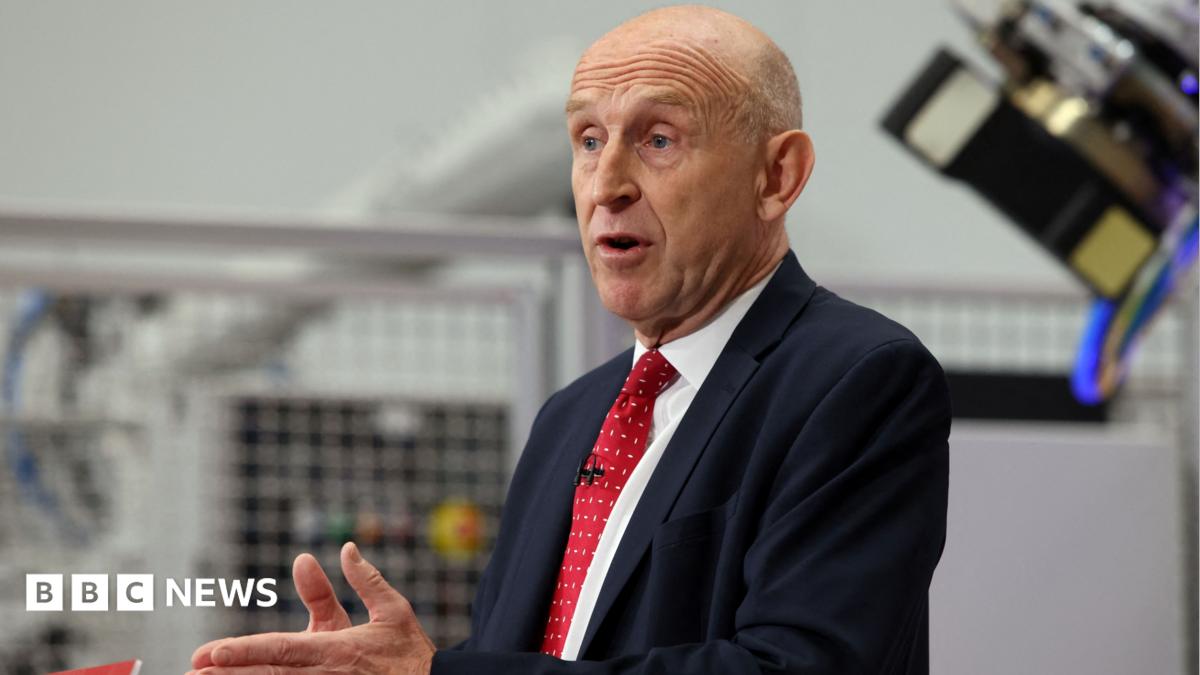
Chancellor John Healey has ruled out increasing Capital Gains Tax (CGT) in the upcoming Budget, despite calls from within his own Labour party for the rate to be aligned with income tax. The decision follows warnings that raising CGT could incentivize wealthy individuals to leave the country or delay asset sales, potentially costing the government revenue. Several Labour figures, including cabinet ministers Wes Streeting and Louise Haigh, had previously voiced support for a CGT increase before Andy Burnham became prime minister. Lord Jim O’Neill, a former advisor to Burnham, cautioned that raising the tax would send “the wrong message to business.” The Chancellor has signaled a preference for policies that encourage wealth creation and investment. While Healey has rejected equalizing CGT and income tax rates, the biggest revenue-raising measure expected in the Budget is an increase in the rate banks pay on their profits, intended to fund cost-of-living support. Conservative leader Kemi Badenoch is expected to urge the government to reduce borrowing and cut spending. Polling suggests a majority of the public anticipates some form of tax rise in the Budget, while views on the Chancellor are mixed, with 67% believing he is performing neither well nor poorly.
Where they differ
- The Independent highlighted pre-Budget polling showing a majority expecting tax rises, a detail not included in the BBC report.
- The BBC reported on Healey’s previous statements about wealth creation, framing his decision as consistent with that goal, while the Independent did not emphasize this aspect.
- The Independent detailed Badenoch’s call for spending cuts and a £70 billion package, whereas the BBC only mentioned her urging the government to drop spending plans.
What is not yet known
- The specific details of the increase in the bank profit rate remain unconfirmed.
- The extent to which the Chancellor will heed Badenoch’s call for spending cuts is currently unclear.
Background
- Andy Burnham became prime minister, implementing policies like the ‘Your First Home’ scheme with a 2.5% deposit option [Fact Refinery, 2026-09-26].
- Chancellor John Healey is preparing the UK Budget on October 28th, with a focus on offsetting rising government borrowing costs and addressing cost-of-living pressures [Fact Refinery, 2026-10-15].
- The UK economy grew by 0.1% in August, defying contraction forecasts, and the IMF recently upgraded its UK economic forecast [Fact Refinery, 2026-10-15].
- Banks collectively made around £15 billion in profit in the first six months of the year, prompting calls for increased taxation [Fact Refinery, 2026-10-15].
Our reading
Our reading is that Chancellor Healey is prioritizing economic stability and wealth creation over immediate tax equalization, despite internal pressure from within his own party. The decision to reject raising Capital Gains Tax appears to be a calculated one, informed by concerns about capital flight and revenue loss, and consistent with previously stated policy preferences. The emphasis on increasing bank profit rates suggests a willingness to pursue revenue-raising measures that align with the government’s broader economic goals, while acknowledging the public expectation of some form of tax increase.
What to watch
- The specific details of the increase in the bank profit rate, and whether it aligns with the £2 billion estimate from the prior article [Fact Refinery, 2026-10-15].
- Whether Kemi Badenoch successfully persuades the government to implement significant spending cuts, as outlined in her proposed £70 billion package [as reported in the article].
- The final figures released by the Office for National Statistics for September and October, to assess whether the August growth trend continues [ONS website].
💬 Comments
📜 Comment Policy