Cairo Highway Fire Kills At Least 30 After Fuel Tanker Crash
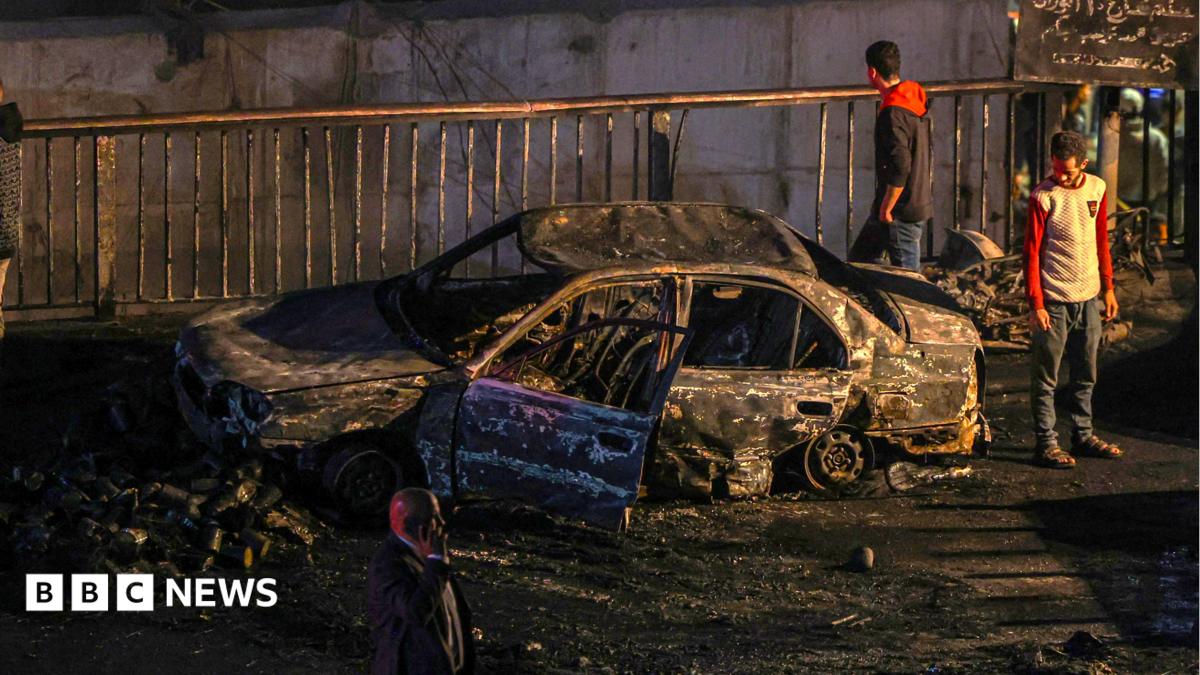
At least 30 people were killed and 25 injured Wednesday evening when a fuel tanker overturned on a busy Cairo highway, igniting a massive fire that engulfed nearby vehicles. The crash occurred on the Ring Road in the Warraq neighborhood, a densely populated area of Giza. Authorities dispatched 39 ambulances to the scene, and President Abdel Fattah el-Sisi expressed condolences to the victims. An investigation is underway, with initial reports indicating a high-voltage cable falling in front of the tanker caused the driver to lose control.
State media reports the tanker overturned, dousing surrounding vehicles with petrol before catching fire. Footage from the scene showed a large blaze and thick smoke, with hundreds gathering as emergency services worked to extinguish the flames and clear the highway. The Public Prosecutor’s office has requested DNA samples to identify the bodies.
Egypt has experienced several deadly fires in recent years, often exacerbated by inadequate infrastructure and slow emergency response times. Road collisions are also common, with nearly 6,000 people dying in accidents across the country last year, several hundred more than the previous year, attributed to poor road maintenance and lax traffic law enforcement. The Health Minister Khaled Abdel Ghaffar indicated the death toll is preliminary and may rise further. While the highway has been reopened, authorities are still investigating the precise cause of the incident and whether any systemic failures contributed to the high number of casualties.
Where they differ
- Africa News specified that more than two dozen cars and motorcycles were charred in the blaze, a detail not widely reported.
- Euronews highlighted that the Health Minister would visit the scene, while other sources only mentioned him overseeing treatment of the injured.
- Al-Ahram, cited by the BBC, provided the detail that a high-voltage cable falling in front of the tanker prompted the driver to lose control, a detail not present in all reports.
What is not yet known
- The exact circumstances surrounding the falling high-voltage cable remain unclear.
- The extent to which infrastructure deficiencies and emergency response times contributed to the severity of the incident is still under investigation.
Background
- Egypt experienced a train collision south of Cairo in November 2026, resulting in four deaths and 88 injuries [Fact Refinery, 2026-11-08].
- Egypt has seen several deadly fires in recent years, often linked to inadequate infrastructure and slow emergency responses [Fact Refinery, 2026-11-08].
- Nearly 6,000 people died in road accidents across Egypt last year, an increase from the previous year, attributed to poor road maintenance and lax enforcement [Fact Refinery, 2026-11-08].
- Egypt’s railway system, one of the largest in Africa, has a history of deadly accidents [Fact Refinery, 2026-11-08].
Our reading
We begin by assessing the most likely outcome: a renewed, if temporary, focus on infrastructure safety. The President’s condolences and the ongoing investigation suggest the government will attempt to demonstrate responsiveness, potentially through increased funding for road maintenance and emergency services. A less likely scenario is significant systemic change; past incidents have not resulted in fundamental overhauls, and the article highlights a pattern of recurring issues. The balance could shift towards more substantial reform if the investigation reveals widespread negligence or a clear pattern of cost-cutting measures impacting safety standards. Beyond the immediate tragedy, this incident underscores the vulnerability of Egypt’s infrastructure to cascading failures. The combination of a high-voltage cable falling, a fuel tanker overturning, and a subsequent massive fire points to a lack of redundancy and potentially inadequate safety protocols. Given the recent train collision also south of Cairo [Fact Refinery, 2026-11-08], a broader assessment of transport infrastructure safety seems warranted. The article does not offer insight into potential political repercussions or competing interests. However, the repeated mention of investigations following similar incidents suggests a consistent pattern of reactive measures rather than preventative ones, which could indicate underlying bureaucratic or logistical challenges.
What to watch
- The findings of the investigation into the cause of the high-voltage cable falling, and any assigned responsibility [Egyptian Public Prosecutor’s office].
- The release of a revised death toll from the Health Minister, given the preliminary nature of the current figure [Egyptian Health Ministry].
- Any announcements regarding increased funding for road maintenance or emergency services following the investigation [Egyptian government press releases].
Read the original coverage
💬 Comments
📜 Comment Policy