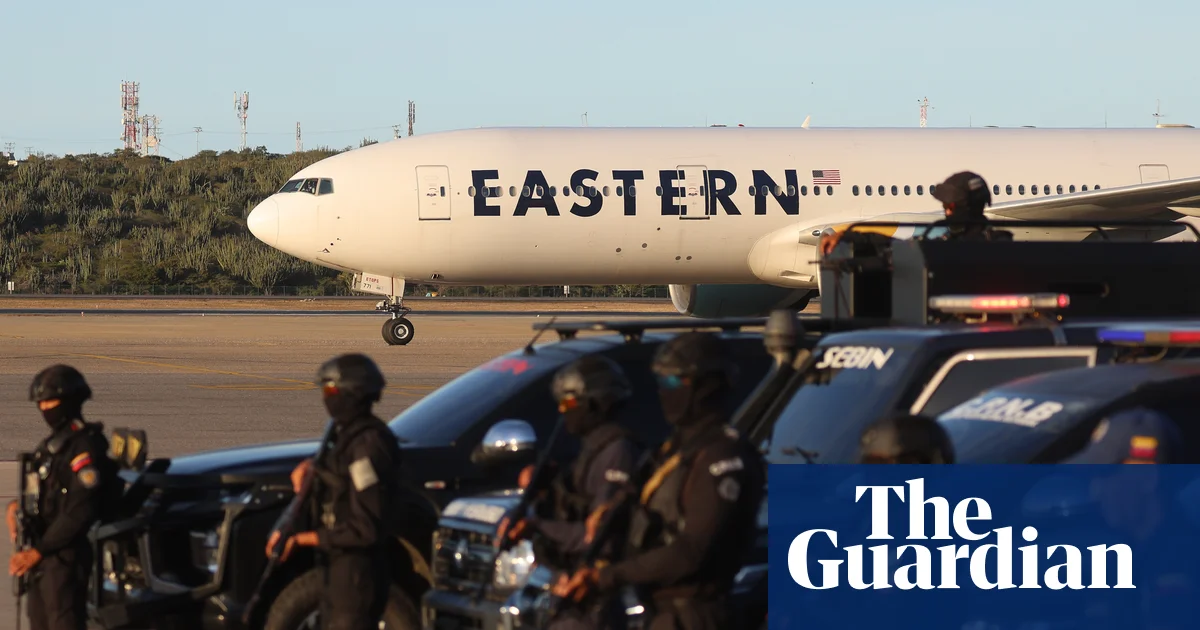
Burundi has agreed to accept migrants deported from the United States to other countries, joining a handful of African nations participating in the policy. The agreement, announced Tuesday, stipulates that Burundi will only receive individuals not facing criminal prosecution or linked to terrorism. Nancy Ninette Mutoni, a spokesperson for President Évariste Ndayishimiye, stated preparations are underway to provide accommodation and integration support for the deportees, with potential pathways to citizenship for those who contribute to national development. The US has been sending “third-country deportees” under opaque deals that Senate Democrats say have cost tens of millions of dollars, and which rights groups argue circumvent legal protections previously secured by the migrants in US immigration courts. While the number of deportees Burundi will accept, the timing of their arrival, and the financial details of the agreement remain undisclosed, Mutoni indicated Burundi aims to strengthen diplomatic relations and offer hospitality to those in need. The US State Department did not immediately respond to requests for comment.
This agreement follows a Supreme Court decision allowing the continuation of “third-country” deportations pending a formal ruling on the policy. According to Africa News, President Ndayishimiye announced the agreement during an interview with France 24. Preparations are underway to arrange accommodation and help the deportees live in local communities, according to Mutoni. The Trump administration expanded third-country deportations as part of its immigration crackdown, defending the policy as necessary when deportees’ home countries refuse to accept them. A UN report has criticized the practice, stating it can have deadly consequences and calling for it to be halted.
Our reading is that Burundi has entered into an agreement with the US to receive deported migrants, despite concerns raised by rights groups and some US lawmakers regarding the legality and ethical implications of such arrangements. The agreement appears to be part of a continuing US policy of utilizing third-country deportations, and Burundi’s stated intention to provide support for deportees suggests a willingness to strengthen diplomatic ties with the US. The lack of transparency surrounding the financial details and the number of deportees raises questions about the full scope of this agreement.
Read the original coverage
💬 Comments
📜 Comment Policy