Brooklyn Building Collapse Kills Eight, Prompts Demolition of Adjacent Structure
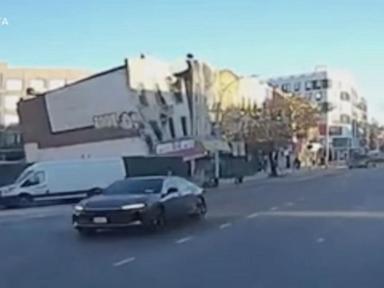
A three-story apartment building in Brooklyn collapsed on November 11, killing eight people, including two children, and injuring 18. New video captured by an MTA bus on its B103 route shows the moment the building buckled and crumbled, as the bus stopped at a light. As of a recent update, one injured patient remained in critical condition. The Department of Buildings has determined that the collapse at 1321 Flatbush Avenue caused enough damage to the adjacent building at 1325 Flatbush Avenue that it, too, must be demolished. Residents of 1325 Flatbush Avenue will not be allowed to retrieve belongings due to stability and asbestos concerns. Vacate orders remain in place for neighboring buildings at 1325 and 1327 Flatbush Avenue; shoring will be installed at 1325 Flatbush Avenue before the demolition of the adjacent building.
Authorities identified the victims in the hours following the collapse. The MTA posted the dashcam footage to its YouTube page. The extent of the structural issues that led to the collapse remains unclear, though the Department of Buildings has begun assessing the damage and planning for demolition.
What is not yet known
- The specific cause of the building collapse has not been reported.
- The condition of the single patient remaining in critical condition beyond that they are still in critical condition is not detailed.
Background
- A three-story apartment building at 1321 Flatbush Avenue in Brooklyn collapsed on November 11, killing eight people and injuring eighteen [Fact Refinery, 2026-11-12].
- Initial reports indicated one fatality and ten injuries on November 12, with one person still trapped [Fact Refinery, 2026-11-12].
- The collapse occurred near a construction site where an adjacent one-story building had recently been demolished [Fact Refinery, 2026-11-12].
- Lawsuits allege corner-cutting and ignored warnings preceded the collapse, with visual evidence suggesting the excavation compromised the stability of the building [The Seattle Times, 2026-11-20].
Our reading
We begin by anticipating that the investigation will focus intensely on the excavation work at the adjacent site. The fact that the collapsed building fell *into* the excavation pit, and that lawsuits already claim ignored warnings, suggests a direct link. Most likely, the investigation will reveal negligence in the excavation process, potentially involving inadequate shoring or failure to adhere to safety protocols. A less likely outcome is a previously undetected structural flaw in 1321 Flatbush Avenue itself, though this would require disproving the connection to the construction. The release of the full Department of Buildings assessment will be crucial in tipping the balance. The demolition of 1325 Flatbush Avenue, due to structural damage and asbestos concerns, highlights a broader issue: the safety of aging infrastructure in densely populated urban areas. This collapse will likely trigger reviews of building codes and inspection procedures across New York City, and potentially other major metropolitan areas. The presence of asbestos adds a layer of complexity and cost to the demolition and remediation process. Given the proximity to the construction site and the legal claims, the construction company and potentially the architect will face significant scrutiny. Their internal situation, financial pressures, project deadlines, and reputation management, will be critical as they navigate the investigation and potential litigation. A defensive posture or attempts to shift blame could exacerbate the situation.
What to watch
- The Department of Buildings’ full damage assessment report and its findings regarding the cause of the collapse [Department of Buildings website].
- The timeline for the demolition of 1325 Flatbush Avenue and the installation of shoring at 1325 and 1327 Flatbush Avenue [NYC Department of Buildings].
- Any filings in the lawsuits alleging negligence, specifically details regarding the “red flags” that were reportedly ignored [Court records].
Read the original coverage
💬 Comments
📜 Comment Policy