Brazil and China Challenge New US Tariffs on Aircraft and Sugar
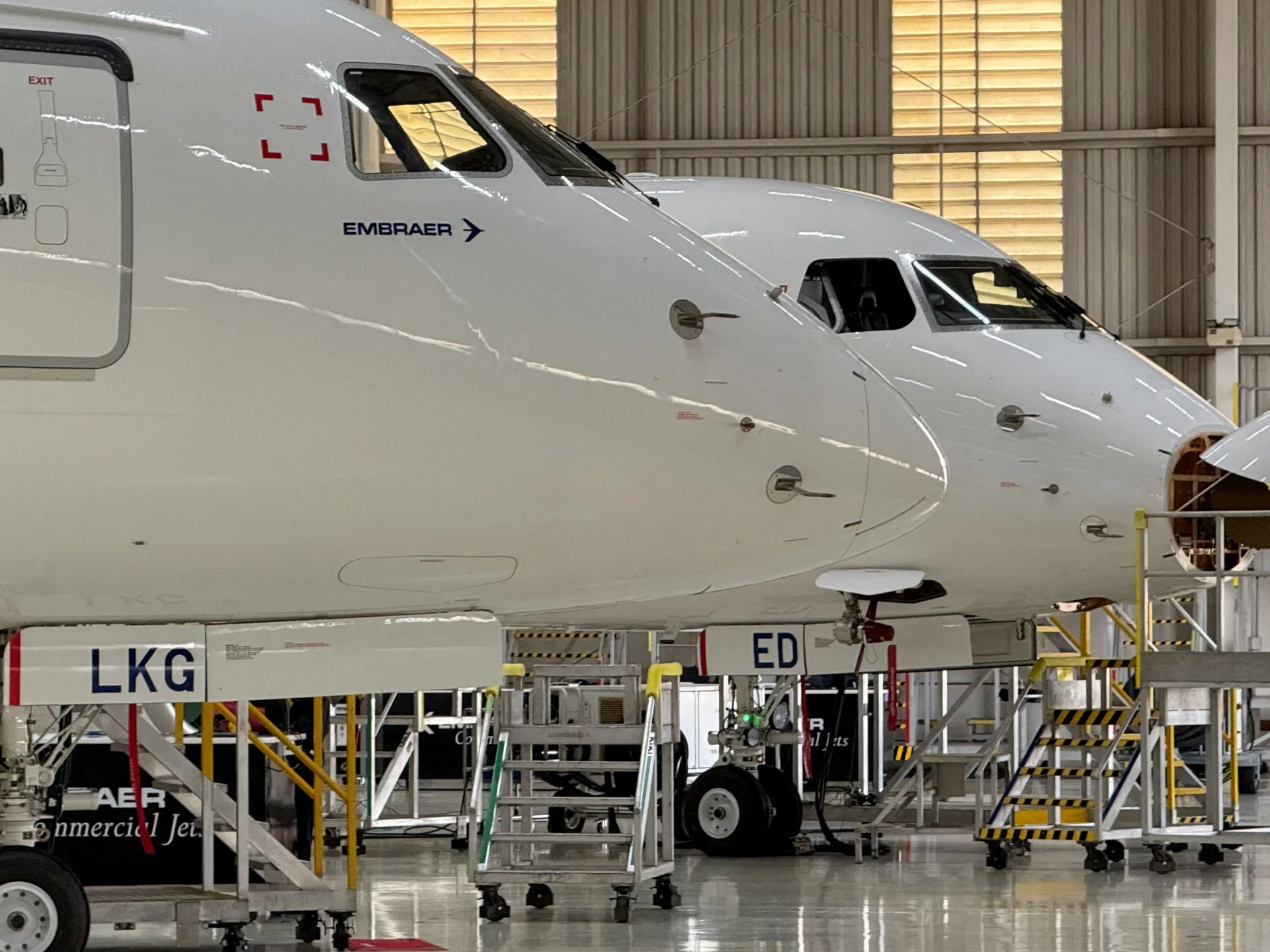
Brazil and China have condemned proposed new tariffs from the United States on Brazilian aircraft and sugar, as well as broader levies targeting 14 major trading partners including the European Union. Brazil’s president’s office stated the country will not yield to the “threat” of a 10 percent tariff on Embraer aircraft and is considering “reciprocal measures.” The US Trade Representative, Jamieson Greer, said the tariffs are a response to a lack of progress on trade issues and remain open to negotiation, but Brazil maintains it has been negotiating “in good faith” for over a year. The proposed tariffs on sugar would prevent it from being shipped through third countries to the US. The move comes as US carriers face rising jet fuel costs, and could raise the price of Embraer jets. China accused the US of “political manipulation” regarding the new tariffs.
Brazil and the US established a working group on trade issues in August, but Washington claims Brazil has made “no meaningful progress” on resolving outstanding concerns. Brazil’s president’s office indicated it would continue to seek a negotiated solution, without specifying whether it would challenge the tariffs before the World Trade Organization. The tariffs, which could take effect in January, also target imports of Brazilian sugar exceeding quotas, intended to address what the US calls “unreasonable” trade practices.
Background
- The Trump administration proposed new tariffs on goods from China, the EU, and 12 other economies in November, citing unfair manufacturing practices and excess capacity [Fact Refinery, 2026-11-25].
- These tariffs are being implemented under Section 301 of the Trade Act of 1974, allowing the US to impose tariffs on countries deemed to be engaging in unfair trade practices [Fact Refinery, 2026-11-25].
- Brazil and the US established a working group on trade issues in August, but Washington claims Brazil has made “no meaningful progress” on resolving outstanding concerns [Fact Refinery, 2026-11-26].
- The UNRWA recently faced scrutiny over the dismissal of Palestinian staff based on unproven Israeli allegations, raising questions about the basis for such decisions and their impact on humanitarian operations [Fact Refinery, 2026-11-26].
Our reading
We begin by assessing the most likely outcome: continued negotiation, albeit strained. Brazil’s stated willingness to seek a negotiated solution, coupled with the US Trade Representative’s openness to talks, suggests a desire to avoid full-scale trade war. However, the tariffs could take effect in January, meaning the balance will tip towards escalation if the January 25th hearings fail to yield a compromise. A less likely outcome is a challenge before the World Trade Organization, as Brazil has not yet committed to this course of action, and the US has demonstrated a willingness to act unilaterally. The imposition of these tariffs, alongside those already in place, raises concerns about the broader impact on global trade flows and the potential for retaliatory measures. The targeting of sugar shipments, even through third countries, suggests a deliberate attempt to disrupt established trade routes, potentially affecting food prices and supply chains. The fact that these tariffs follow Republican midterm losses, where tariffs and inflation were key issues, indicates a potential disconnect between economic policy and domestic political realities. China’s accusation of “political manipulation” hints at a deeper strategic rivalry, potentially exacerbated by the recent reinstatement of the Nvidia CEO following concerns about ties to Chinese intelligence [Fact Refinery, 2026-11-26]. This suggests a broader context of distrust and competition that extends beyond purely economic concerns.
What to watch
- The outcome of the US Trade Representative hearings scheduled to begin on January 25th [Reuters, 2026-11-25].
- Whether Brazil formally challenges the tariffs before the World Trade Organization [Frognews, 2026-11-26].
- Any indication of retaliatory measures from Brazil or China, particularly regarding tariffs on US goods [Al Jazeera, 2026-11-26].
Read the original coverage
💬 Comments
📜 Comment Policy