Bayer Receives Court Approval for $7.25 Billion Roundup Settlement
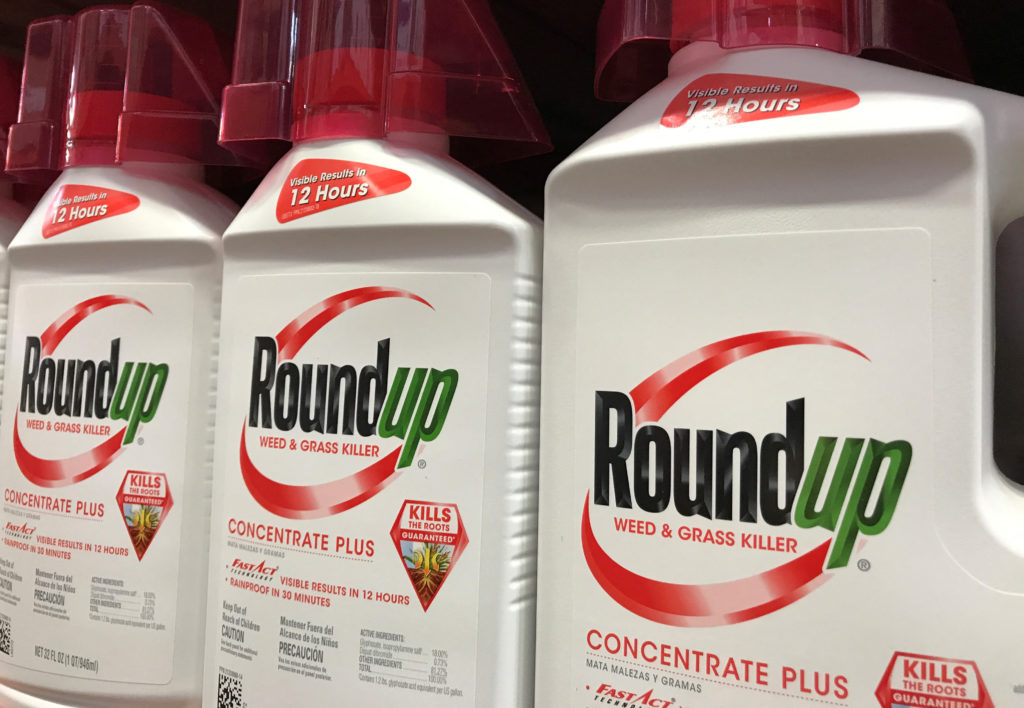
A Missouri judge has approved a $7.25 billion settlement between Bayer and thousands of U.S. cancer patients who allege that Roundup weed killer caused their non-Hodgkin lymphoma. The agreement, spanning up to 21 years, will provide individual payments averaging between $10,000 and $165,000, dependent on factors like age, illness severity, and exposure duration. Judge Timothy Boyer deemed the settlement “fair, reasonable, and adequate,” a milestone for Bayer in mitigating legal risks inherited from its 2018 acquisition of Monsanto. Bayer CEO Bill Anderson stated the approval is a “decisive milestone” in the company’s strategy. While some lawyers representing plaintiffs criticized the payments as too low, the judge rejected their objections, citing the need to provide compensation to seriously ill patients without further delay. The settlement follows a June Supreme Court ruling that limited the ability of cancer patients to sue Bayer for failing to warn of potential cancer risks on Roundup packaging, and a separate Missouri jury ruling in Bayer’s favor in October. Approximately 200 cases remain in federal courts outside the settlement. Bayer has faced around 200,000 claims since acquiring Monsanto, with Roundup, containing glyphosate, introduced in 1974 and widely used in agriculture and home gardening.
Where they differ
- DW emphasizes the financial value of the settlement in Euros (€6.60 billion) while the other sources focus on the US dollar amount.
- DW details the history of Roundup and glyphosate, noting its introduction in 1974 and widespread use, which is less prominent in the other reports.
- Newsmax and PBS Newshour present the information in a more concise manner, focusing primarily on the approval of the settlement and its monetary value, while DW provides a more comprehensive overview of the legal battle and its implications.
What is not yet known
- The exact criteria used to determine individual payment amounts within the $10,000-$165,000 range remain unspecified.
- The potential for appeals of the settlement decision is mentioned but not detailed; the timeline or likelihood of any appeals is not reported.
Background
- Bayer acquired Monsanto in 2018, inheriting associated legal risks [Fact Refinery, 2026-11-20].
- Roundup, containing glyphosate, was introduced in 1974 and is widely used in agriculture and home gardening [DW, 2026-11-20].
- In June 2026, the Supreme Court ruled that Monsanto (now Bayer) could not be held liable under state laws for failing to warn of potential cancer risks on Roundup packaging [Fact Refinery, 2026-06-25].
- Approximately 200,000 claims related to Roundup and non-Hodgkin lymphoma have been filed against Bayer [Reuters, 2026-11-20].
- Missouri voters recently rejected a proposed amendment that would have re-imposed an abortion ban and restricted gender-affirming care [Fact Refinery, 2026-11-04].
Our reading
We assess that Bayer has successfully navigated a major legal hurdle, but the risk is not entirely extinguished. The most likely outcome is a gradual reduction in legal costs as the 21-year settlement unfolds, though the approximately 200 remaining federal cases represent a continuing, if diminished, threat. A less likely scenario would involve successful appeals against the settlement, potentially reopening the floodgates of litigation; this would depend on the grounds for appeal and the willingness of plaintiffs’ lawyers to pursue them. The scale of the settlement, at $7.25 billion, is significant and suggests Bayer prioritized minimizing long-term legal exposure over aggressively contesting every claim. This is particularly noteworthy given the company’s recent legal victory at the Supreme Court, which limited plaintiffs’ options. The fact that some lawyers criticized the payments as too low, despite the judge’s approval, hints at ongoing dissatisfaction and potential for future legal challenges, even if outside the scope of this settlement. The Missouri vote on abortion and gender-affirming care, while seemingly unrelated, highlights a pattern of legal battles playing out in the state, and a potential willingness of voters to challenge corporate or legislative decisions. This could influence future litigation against Bayer, or other companies, in Missouri.
What to watch
- The number of appeals filed against the settlement and the courts’ rulings on those appeals [court records].
- The progress of the remaining 200 federal cases and whether they are likely to be settled individually or proceed to trial [federal court dockets].
- Bayer’s financial reports over the next few years to assess the actual cost of the settlement and its impact on the company’s profitability [Bayer annual reports].
Read the original coverage
💬 Comments
📜 Comment Policy