Army to Detonate Unstable Lead Azide Stockpile in Iowa Amid Safety Concerns
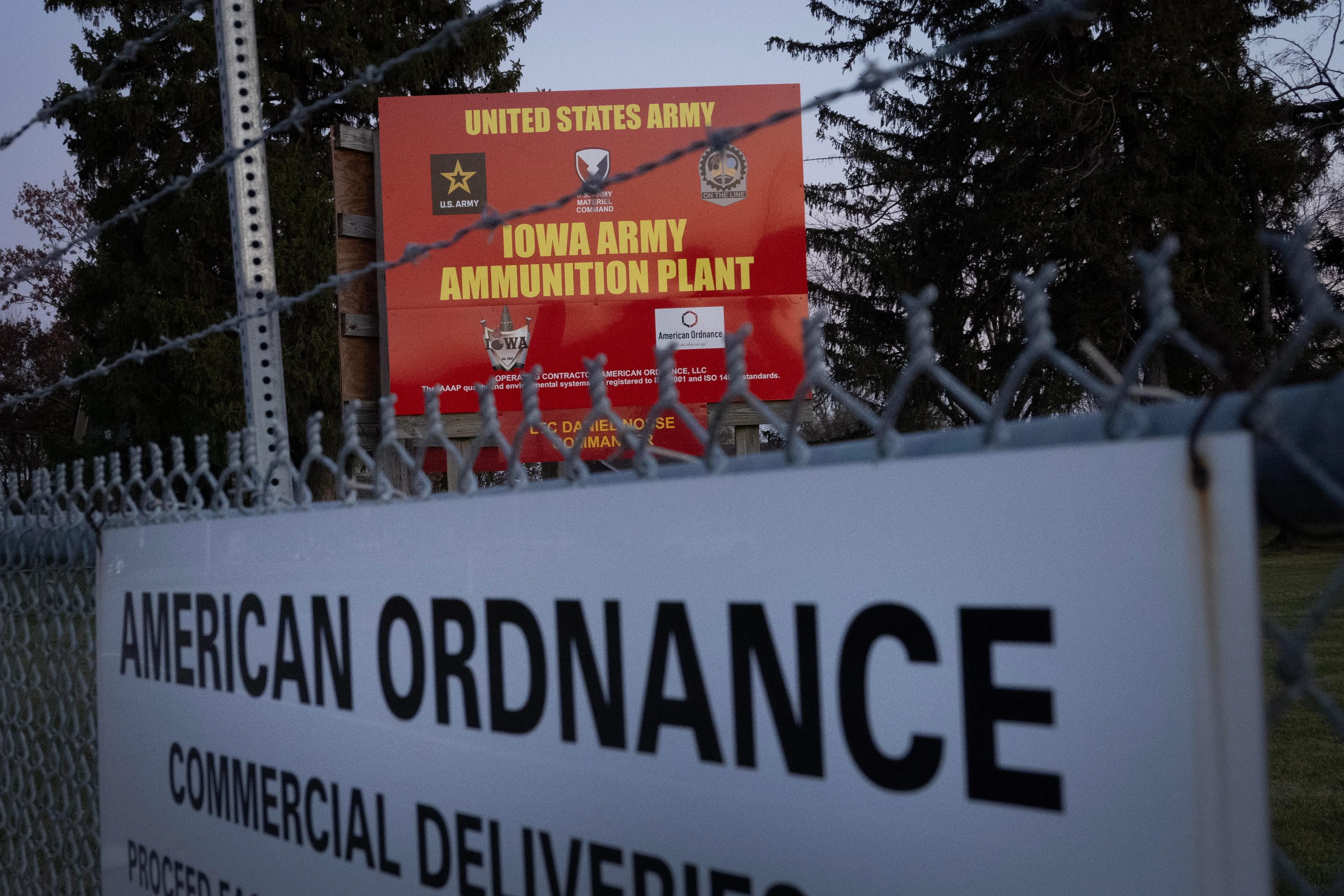
The US Army is moving forward with plans to detonate approximately 9,700 pounds of lead azide at the Iowa Army Ammunition Plant in Middletown on Wednesday morning, after a court briefly halted the operation. Officials state the detonation is the safest way to dispose of the highly unstable explosive, which has been deteriorating for decades and poses a risk of accidental explosion, potentially causing even greater lead contamination. The decision follows the cancellation of a contract to chemically neutralize the lead azide, deemed too risky due to crystallization on the exterior of the storage barrels.
The lead azide, used as a primary explosive in munitions for nearly a century, began to degrade, with significant crystallization observed during a March inspection. Attempts to add stabilizing agents were abandoned due to the risk of triggering a detonation. If left untreated, officials say an uncontrolled explosion is “a matter of when, not if.” The detonation will occur within reinforced concrete bunkers, but a lead plume could still spread up to 100 miles, potentially reaching Missouri. The Health & Human Services Department has recommended that children and pregnant women evacuate from the potential path of the plume, and the American Lung Association advises residents to remain indoors for one to two days following the blast.
The Army’s decision has drawn criticism from Iowa residents concerned about a lack of clear communication and potential health hazards, given that even low levels of lead exposure can be harmful, particularly to children. President Trump reportedly attempted to shift responsibility for the detonation to the incoming Democratic governor-elect, Rob Sand. While emergency munitions detonations are rare in the US, the Army has faced questions about why alternative disposal methods were not pursued. The incident highlights the ongoing challenges of dealing with legacy lead contamination, despite decades of efforts to reduce its presence in everyday products.
Where they differ
- The Verge detailed the technical specifics of lead azide’s instability, including its detonation temperature and the reasons the chemical neutralization contract was canceled, while Vox focused more on the political fallout and public concern.
- Vox emphasized the broader context of lead contamination in the US, referencing a 2024 report on its continued presence in the food supply, a point not made by The Verge.
What is not yet known
- The specific reasons for the Army’s initial choice of lead azide as a primary explosive, and why it continued to be stored for 15 years after being phased out of use, are not fully explained.
- The full cost of the detonation and the potential long-term environmental impact of the lead plume remain unclear.
Background
- The US Army planned to detonate approximately 5 tons of unstable lead azide at the Iowa Army Ammunition Plant, citing safety risks from its deterioration [Fact Refinery, 2026-11-20].
- Environmental groups filed a lawsuit to halt the detonation, raising concerns about health and pollution risks for residents of Middletown and surrounding areas [Fact Refinery, 2026-11-23].
- President Trump attempted to shift responsibility for the detonation to the incoming Democratic governor-elect, Rob Sand [Frognews, 2026-11-23].
- Lead azide has been used as a primary explosive in munitions for nearly a century, but began to degrade with significant crystallization observed in March [The New York Times, 2026-11-24].
Our reading
We begin by considering the most likely outcome: the detonation will proceed as planned on Wednesday, despite ongoing concerns. The Army has repeatedly invoked emergency provisions and demonstrated a willingness to bypass legal challenges, suggesting a strong commitment to this course of action. A less likely scenario is a further legal intervention successfully halting the detonation, but this would require a swift and decisive court ruling overriding the Army’s emergency claims. The balance could tip if independent analysis conclusively demonstrates a significantly underestimated risk to public health, prompting stronger judicial or political pressure. The incident highlights the broader issue of legacy contamination from military activities and industrial processes. The 2024 Vox report on lead in the food supply, coupled with the Army’s decades-long storage of deteriorating lead azide, suggests a systemic failure to adequately address environmental hazards. This could fuel further scrutiny of other sites with similar contamination issues. The Army’s insistence on detonation, despite the availability of alternative disposal methods, suggests a prioritization of expediency over long-term environmental safety. The cancellation of the chemical neutralization contract, due to crystallization, raises questions about the Army’s initial assessment of the material’s condition and the feasibility of safer alternatives.
What to watch
- The actual path of the lead plume following the detonation, and whether it reaches Missouri as predicted [Capitol News Illinois, 2026-11-24].
- Any reports of health impacts among residents in the affected areas, particularly children and pregnant women [American Lung Association, 2026-11-24].
- The outcome of any further legal challenges to the Army’s decision, and whether the court upholds the use of emergency provisions [Fact Refinery, 2026-11-24].
Read the original coverage
💬 Comments
📜 Comment Policy