Army Delays Iowa Explosives Detonation Amid Safety Concerns and Legal Challenges
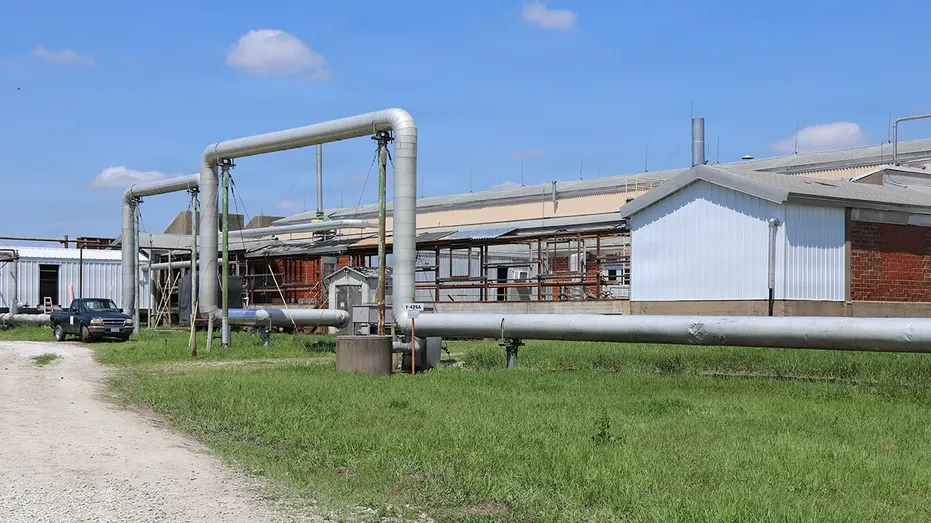
The U.S. Army has delayed a planned detonation of 5 tons of unstable lead azide at the Iowa Army Ammunition Plant in Middletown, Iowa, until Monday, November 23, after concerns were raised about potential toxic lead exposure. The detonation, originally scheduled for Friday, was postponed by Acting Secretary of the Army Adam Telle to allow for further evaluation given a forecasted temperature drop that could further destabilize the material. The decision followed calls for a delay from Iowa Governor Kim Reynolds and a lawsuit filed by environmental groups, as well as criticism from U.S. Senator Tammy Duckworth who characterized the initial planning as “poorly planned and poorly communicated.”
Army officials discovered in March that water had evaporated from the stabilizing bath of the lead azide, making the material highly sensitive to friction and shock. The Army determined a controlled detonation was the safest option, projecting a dust plume could reach 25 miles and affect areas in Iowa and Illinois, including farmland and playgrounds. A temporary evacuation was recommended for the roughly 400 residents of Middletown due to the potential for localized window damage and lead particle fallout. Schools in surrounding areas, including Danville and Mediapolis, preemptively closed as a precaution, with some planning to hose down playgrounds.
Senator Duckworth criticized the Army’s handling of the situation, stating the public deserved better communication and questioning how the situation escalated. The Environmental Protection Agency approved an emergency permit for the detonation, acknowledging the risk of spontaneous explosion. The Army maintains it is coordinating with the EPA and local officials to provide updated safety and evacuation guidance.
Where they differ
- Fox News emphasized the incoming temperature drop as a key factor in the delay, while CBS News and the New York Post did not highlight it as prominently.
- The New York Post noted that schools had already begun to close before the Army’s delay announcement, while CBS News and Fox News did not emphasize the timing of school closures.
- Fox News included a reference to a similar situation in California involving a chemical tank, drawing a parallel to the Iowa situation, a comparison absent from the other reports.
What is not yet known
- The long-term environmental impact of the detonation, even with mitigation efforts, remains unaddressed.
- The specific details of the lawsuit filed by environmental groups are not detailed in the reporting.
Background
- The U.S. Army discovered water had evaporated from a stabilizing bath surrounding lead azide at the Iowa Army Ammunition Plant in March, rendering the material highly sensitive [Fact Refinery, 2026-11-20].
- A controlled detonation was determined to be the safest option for disposing of the unstable lead azide, with projections indicating a dust plume could extend 25 miles [Fact Refinery, 2026-11-20].
- Iowa Governor Kim Reynolds and U.S. Senator Tammy Duckworth both voiced concerns regarding the Army’s initial planning and communication surrounding the detonation [Fact Refinery, 2026-11-20].
- The Senate recently passed the Bipartisan American Affordability and Jobs Act (BAAJA) to expedite permitting for infrastructure projects, potentially impacting environmental reviews [Fact Refinery, 2026-11-20].
- The White House National Cyber Director recently resigned amidst scrutiny of technological outages affecting critical infrastructure [Fact Refinery, 2026-11-20].
Our reading
We are most likely looking at a situation where the Army will proceed with the detonation on Monday, November 23, but with heightened public communication and potentially adjusted safety measures. The delay to Monday, coupled with Acting Secretary Telle’s stated focus on public safety, suggests a willingness to address the concerns raised by Governor Reynolds, Senator Duckworth, and the environmental groups’ lawsuit. A further delay, or a shift to an alternative disposal method, would likely require a significant and unexpected development, such as a conclusive finding of a safer alternative, or escalating legal pressure. The incident highlights the tension between the need to dispose of hazardous materials and the potential for environmental and public health impacts. The fact that the EPA approved an emergency permit, despite acknowledging the risk of spontaneous explosion, underscores the limited options available. The BAAJA bill, recently passed by the Senate, could potentially streamline future permitting processes for similar projects, though its impact will depend on its passage through the House and any subsequent legal challenges. The criticism from Senator Duckworth, emphasizing poor planning and communication, suggests a broader issue within the Army regarding transparency and public engagement. This is particularly sensitive given the potential for lead exposure, a known public health hazard. While the article does not detail the specifics of the environmental groups’ lawsuit, their involvement indicates a potential for ongoing legal battles over the Army’s handling of hazardous waste disposal.
What to watch
- The Army’s updated safety and evacuation guidance for Middletown residents, and whether it addresses the specific concerns raised by Senator Duckworth [Army website/local news].
- The outcome of the lawsuit filed by environmental groups, and whether it seeks to halt the detonation entirely [court records].
- Confirmation of the temperature forecast for Monday, November 23, and whether any further delays are announced due to weather conditions [National Weather Service].
Read the original coverage
💬 Comments
📜 Comment Policy