Appeals Court Strikes Down Federal Law on Pregnant Worker Accommodations
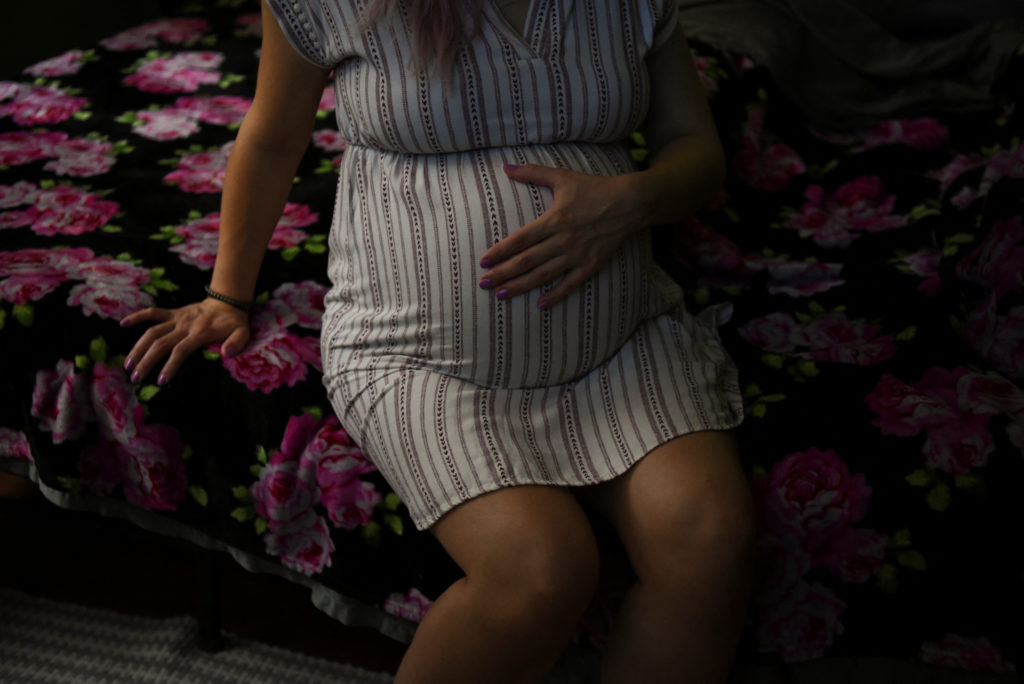
A federal law requiring workplaces to accommodate pregnant workers has been struck down by an appeals court. The court ruled the Pregnant Workers Fairness Act (PWFA) unconstitutional because a majority of U.S. House members were not physically present when it was approved as part of a spending package in December 2022. The act, which aimed to provide reasonable accommodations for pregnant employees, is now invalidated by this ruling.
Multiple outlets report the core finding: the law’s passage violated constitutional requirements for congressional presence during voting. PBS Newshour, the Washington Times, and Newsmax all reported on the ruling, citing the lack of physical presence as the reason for its unconstitutionality.
No center-leaning outlets reported on this story.
Currently, the future of protections for pregnant workers remains uncertain following this legal challenge.
Background
- The Pregnant Workers Fairness Act (PWFA) aimed to provide reasonable accommodations for pregnant employees in the workplace [Fact Refinery, 2026-11-20].
- In December 2022, the PWFA was approved as part of a larger spending package [Fact Refinery, 2026-11-20].
- President Trump issued an executive order in November 2026 requiring federal contractors to seek White House approval before responding to congressional inquiries [Fact Refinery, 2026-11-21].
- The Supreme Court struck down a Trump order ending birthright citizenship in June 2026 [SCOTUSblog, 2026-06-30].
Our reading
We are struck by the recurring pattern of legislative actions being challenged on procedural grounds, rather than substantive ones. The ruling against the PWFA, hinging on the physical presence of House members during the vote, echoes similar challenges seen with Trump’s executive orders and other recent legislation. Most likely, this will lead to increased scrutiny of legislative procedures and a potential wave of legal challenges targeting laws passed with similar mechanisms, particularly those enacted through spending packages. A less likely outcome is a swift legislative fix to the PWFA, though this could occur if bipartisan support emerges and a clear path is found to address the court’s concerns about voting procedures. The balance will tip depending on whether the opposition focuses on procedural reform or attempts to dismantle other recently passed legislation. This ruling, combined with the Trump administration’s efforts to limit congressional oversight, suggests a broader strategy of obstructing legislative and judicial processes. The focus on procedural technicalities allows opponents to avoid direct engagement with the merits of the policies themselves. The fact that no center-leaning outlets reported on this story is notable, potentially indicating a strategic decision by those outlets to prioritize coverage of more widely impactful events. The situation highlights the vulnerability of laws passed through complex legislative maneuvers. While the intent of the PWFA may be widely supported, its fate now rests on a narrow interpretation of congressional procedure.
What to watch
- A potential appeal of the ruling to the Supreme Court [PBS, 2026-11-20].
- Any legislative efforts to amend the PWFA to address the court’s concerns [Frognews].
- Further legal challenges to laws passed using similar procedural mechanisms [Washington Times].
Read the original coverage
💬 Comments
📜 Comment Policy