Alleged Cartel Leader ‘El Chapo Isidro’ Arrested in Mexico, Sparking Gun Battles
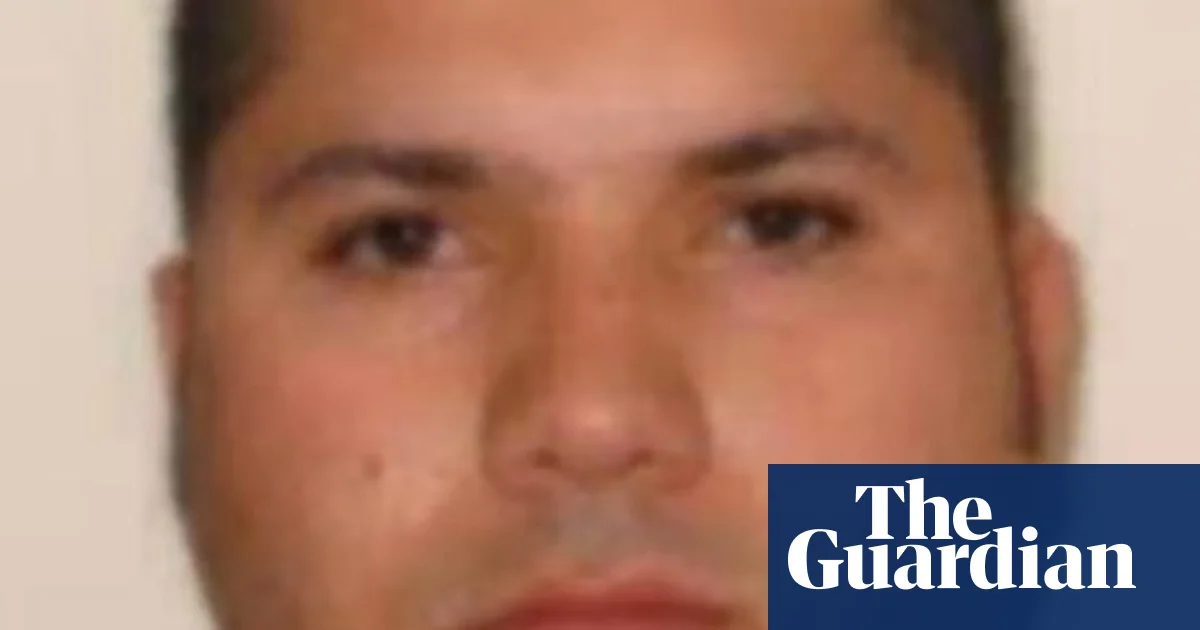
Mexican special forces arrested Fausto Isidro Meza Flores, known as “El Chapo Isidro,” one of the FBI’s 10 Most Wanted fugitives, during a raid in Guasave, Sinaloa on Friday night. The arrest of the alleged leader of the Meza Flores Transnational Criminal Organization and, according to Mexico’s defense ministry, the Beltrán Leyva cartel, triggered a wave of violence in the city, including gun battles and burning vehicles. The operation, which involved “elite military forces” and US intelligence, led to the detention of Meza Flores and two other alleged cartel leaders. He is wanted in the US on multiple drug trafficking and firearms charges, with a $5 million reward offered for information leading to his arrest. The US Treasury placed sanctions on Meza Flores in 2013, and he has been indicted since 2012. Videos circulating online show civilians fleeing a baseball game as gunfire erupted, and military helicopters firing on the ground. While authorities celebrated the arrest as a security win, experts warn it could escalate violence in a region already embroiled in a power struggle between rival cartel factions. The capture of Meza Flores follows the arrest of another cartel leader less than two weeks prior, and comes amid pressure from the Trump administration on Mexico to target criminal groups. The Mexican military faced significant resistance during the extraction of Meza Flores, with cartel members establishing at least ten roadblocks with burning vehicles. The extent of US involvement in the operation remains largely undisclosed, though the Mexican government acknowledged intelligence sharing with the Trump administration.
Where they differ
- Right-leaning outlets (Newsmax, Washington Times, New York Post) emphasized the long hunt for ‘El Chapo Isidro’ and highlighted the US role in the operation, framing it as a victory for the Trump administration.
- Left-leaning sources (Guardian, PBS Newshour, NPR) focused more on the resulting violence in Guasave, detailing the impact on civilians and the potential for further escalation.
- The Independent and DW provided more historical context, detailing Meza Flores’s rise through the cartels and the previous splits within the Beltrán Leyva organization.
- NPR and the Washington Post specifically noted that a federal official described the extraction of Meza Flores as ‘extraordinary’ due to the intense cartel response.
What is not yet known
- The precise details of the intelligence sharing between US and Mexican authorities remain unclear.
- The full extent of the damage and casualties resulting from the clashes in Guasave has not been reported.
- Whether Meza Flores will be extradited to the United States is currently unknown.
Background
- Fausto Isidro Meza Flores, known as “El Chapo Isidro,” is a leader of the Meza Flores Transnational Criminal Organization and, according to Mexico’s defense ministry, the Beltrán Leyva cartel, and was on the FBI’s 10 Most Wanted list with a $5 million reward for information leading to his arrest [Fact Refinery, 2026-11-21].
- The US Treasury placed sanctions on Meza Flores in 2013, and he has been indicted since 2012 on multiple drug trafficking and firearms charges [Fact Refinery, 2026-11-21].
- Recent arrests of cartel leaders, including one less than two weeks prior to this event, suggest a renewed push by Mexican authorities to target criminal groups [Fact Refinery, 2026-11-21].
- The Trump administration had been pressuring Mexico to target criminal groups, and intelligence sharing occurred during this operation [Fact Refinery, 2026-11-21].
Our reading
We assess that the most likely outcome is continued, localized violence in Sinaloa as rival cartels attempt to exploit the power vacuum created by Meza Flores’s arrest. The fact that the extraction involved “elite military forces” and a significant cartel response, including roadblocks and burning vehicles, suggests a substantial and immediate challenge to state authority. A less likely scenario is a swift stabilization of the region, contingent on the Mexican government’s ability to quickly fill the leadership void and prevent further fragmentation of the Beltrán Leyva cartel. The timing of this arrest, following the recent capture of another cartel leader and the US Army’s increased deployments to Latin America for anti-drug training, points to a broader regional strategy. While Mexico has expressed reluctance towards full cooperation with the US, the intelligence sharing in this operation suggests a pragmatic, if uneasy, collaboration. The US focus on disrupting cartel operations could have significant implications for the flow of narcotics into the United States, potentially impacting drug markets and related crime rates. The article highlights the differing framing of the event by various media outlets, with right-leaning sources emphasizing the US role and a “victory” for the Trump administration, and left-leaning sources focusing on the civilian impact of the violence. This division suggests a pre-existing narrative battle over drug policy and US-Mexico relations, which will likely continue as the situation unfolds.
What to watch
- Confirmation of whether the US will formally request the extradition of Meza Flores to face charges in the United States [US Department of Justice].
- Reports detailing the extent of casualties and damage resulting from the clashes in Guasave, Sinaloa [Mexican government press releases, local news outlets].
- Any statements from the Mexican government regarding the future of its anti-cartel strategy and the level of ongoing cooperation with the US [President Sheinbaum’s public addresses, official statements].
Read the original coverage
💬 Comments
📜 Comment Policy