Ukrainian attacks on Russian refineries reduce oil processing capacity and put pressure on the budget
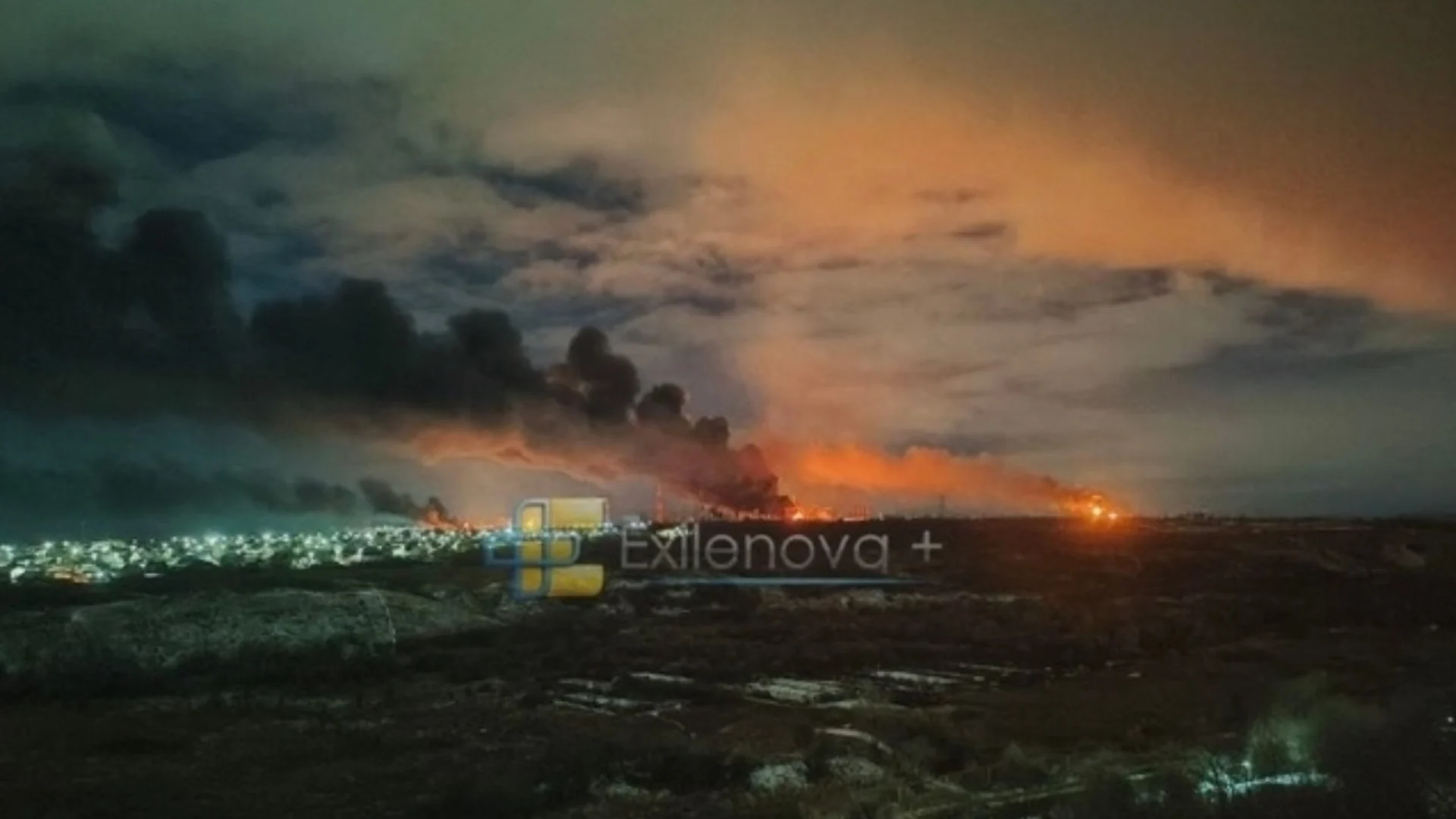
Ukrainian strikes on Russian oil infrastructure have led to a significant reduction in oil processing capacity in Russia and are exerting financial pressure on the state budget. Vladimir Putin admitted that the strikes have burdened the budget and complicated fuel supplies, as Moscow has taken measures to limit exports and subsidize imports. According to various estimates, the attacks have affected between 15 and 35 of the largest Russian refineries, reducing the total volume of crude oil processing by between 30% and 50%. Refineries in Syzran and Kuibyshev were attacked last night, adding to the list of at least 17 oil facilities hit over the last three weeks. Kyiv states that it will stop the attacks if Moscow stops the strikes on Ukrainian energy infrastructure, but Putin insists on retaliatory measures and additional security for energy sites. Against the backdrop of these attacks, Russian airstrikes continue in Ukraine, with two people killed and three others injured in the Odesa region.
Where they diverge
• Fakti.bg emphasizes Putin's admission of financial and economic pressure, while Actualno.bg focuses on the ongoing attacks and Putin's reaction to them.
• Actualno.bg provides more detailed information on the capacity of individual refineries (Syzran and Kuibyshev), while Fakti.bg focuses on the overall effect on the budget.
• Fakti.bg mentions estimates from the Institute for the Study of War (ISW) regarding gasoline shortages, while Actualno.bg focuses on estimates from Reuters and Bloomberg.
What else is unknown
• It is not clear what the long term effect of the reduced oil processing capacity will be on the Russian economy.
• It is not clear whether Moscow will take significant retaliatory measures in response to the Ukrainian attacks.
Context
• Ukrainian attacks on Russian oil infrastructure have led to a reduction in oil processing capacity in Russia and are putting pressure on the state budget. [Fact Refinery, 2026-11-02]
• The attacks have affected between 15 and 35 Russian refineries, reducing the total volume of crude oil processing by between 30% and 50%. [Fact Refinery, 2026-11-02]
• Russia is stocking up on oil from Kazakhstan following Ukrainian strikes on refineries. [Radio Free Europe, 2024-04-09]
• Fuel prices will remain high as wars reduce refining capacity. [Investor.bg, 2026-08-02]
• Ukrainian drone attacks have reduced Russia's refining capacity by almost half. [Investor.bg, 2026-11-18]
Our reading
We consider the most likely scenario to be a continuation of the current situation: Ukraine will continue to attack Russian refineries, and Russia will respond by intensifying airstrikes on Ukrainian energy infrastructure. A cessation of attacks seems less likely unless a ceasefire agreement is reached or if one of the parties suffers a significant failure. A key factor that could change the situation is the escalation of the conflict with the involvement of other parties or the use of more powerful weapons. A broader aspect is the influence on global fuel prices. The reduced oil processing capacity in Russia, combined with ongoing military actions, could lead to higher prices and market instability. This could have serious consequences for the global economy, especially for countries that are heavily dependent on energy imports. From a Russian perspective, the reduced oil processing capacity represents a serious problem for the budget and the economy. Moscow will likely try to compensate for the losses by increasing crude oil exports and seeking alternative fuel sources, but this may be difficult and expensive.
What to watch
- The next data on oil processing in Russia to assess the extent of the capacity reduction. [Russian statistical services]
- Moscow's reaction to the ongoing Ukrainian attacks, including possible retaliatory measures. [Russian state media]
- New estimates from ISW, Reuters, and Bloomberg regarding gasoline shortages in Russia. [The respective websites]
Read the original coverage
💬 Comments
📜 Comment Policy