Working group being created for TELK reform following discontent
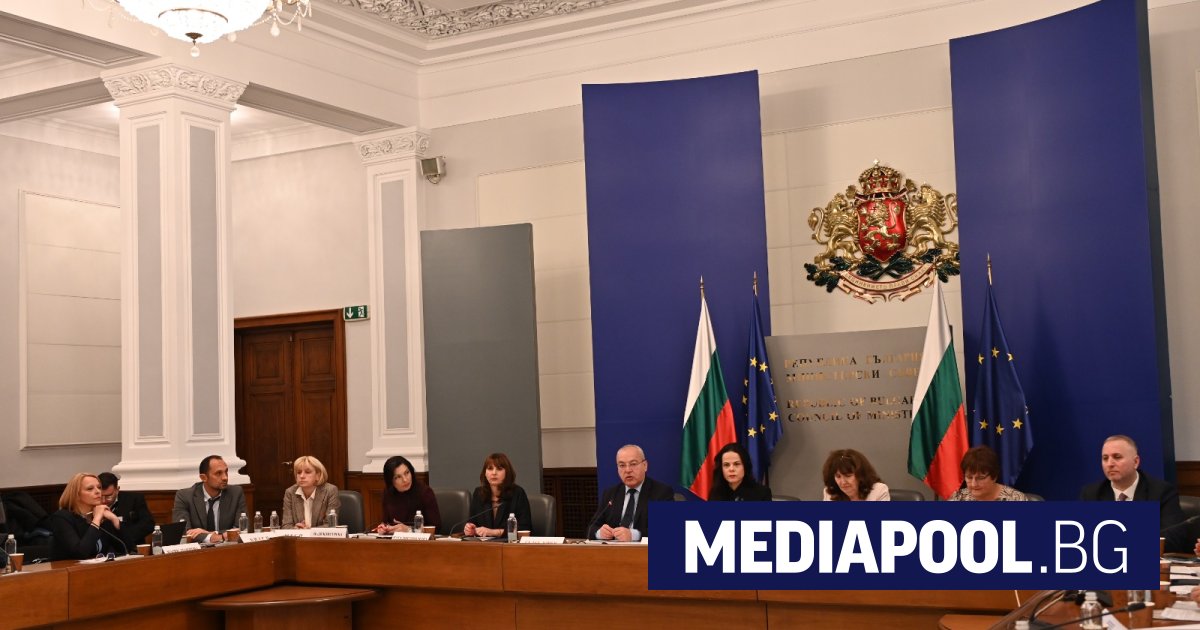
The government is creating a new working group under the National Council for People with Disabilities to prepare proposals for legislative changes in the system of medical expertise and TELK. This is happening following discontent over proposed changes to the Health Act, which envisioned a change in the certification model so that assessments would reflect the actual abilities of people to care for themselves and work, and not just their diagnosis. Organizations for people with disabilities opposed these changes, as well as changes to the payment of personal assistants, which led to the government backing down from both initiatives.
According to Mediapool, the TELK system is in desperate need of changes, not only because of abuses, but also because in its current form it provides overly broad access to social support for people with chronic diseases who are not disabled and can work and care for themselves. Deputy Prime Minister Galab Donev stated that every change in legislation has led to an upgrade of support for people with disabilities, and not to the removal of their rights. He called for control and active participation to find an effective solution against the vicious practices that harm people with disabilities.
Minister of Labor and Social Policy Natalia Efremova emphasized the need for increased control over funds for people with disabilities and employment opportunities for those who can work. She called on organizations and all stakeholders to unite around the construction of a comprehensive legislative framework, noting that it is important to talk about employment opportunities for people with disabilities who can perform labor. The working group will be chaired by ministers Natalia Efremova and Katya Ivkova.
Where they differ
- Mediapool emphasizes the need for reform in TELK due to abuses and overly broad access to social support, while Dnevnik focuses on the creation of the working group as a reaction to the discontent.
- Mediapool presents a more critical assessment of the current TELK system, while Dnevnik presents the information more factually.
- Mediapool quotes Deputy Prime Minister Galab Donev and Minister Natalia Efremova with more detailed statements on the need for control and employment of people with disabilities, while Dnevnik provides shorter quotes.
- What else is not known
- The specific proposals for legislative changes that will be prepared by the working group are not known.
- The details regarding the changes in the payment of personal assistants, which caused discontent, have not been fully clarified.
Our reading
We view the creation of a working group as the most likely attempt to manage public discontent and postpone difficult decisions. If the working group manages to propose compromise changes that address the concerns of organizations for people with disabilities, this could lead to a gradual reforming of the TELK system. It is less likely that the working group will be blocked by internal contradictions or fail to reach a consensus, which would lead to the freezing of the reform and the preservation of the status quo. A key factor that will determine the outcome is the degree of readiness of the government to yield from its initial intentions and engage in a constructive dialogue. The emphasis on abuses in TELK, placed by Mediapool, suggests that the problem of control over social support funds is significant and may have economic dimensions. Effectively solving this problem could free up resources for higher quality support for people with real disabilities. Despite the government's retreat, organizations for people with disabilities will likely remain vigilant and closely monitor the work of the new working group. Their internal interests and priorities may differ, which could make reaching a general agreement difficult.
What to watch
- Publication of the specific proposals for legislative changes by the working group: Mediapool, Dnevnik.bg.
- The results of the next consultations with organizations for people with disabilities: the websites of the respective organizations.
- The deadline by which the working group must present its proposals: official announcement from the Ministry of Labor and Social Policy.
Read the original coverage
💬 Comments
📜 Comment Policy