Seven EU countries insist on visa restrictions for Russian citizens
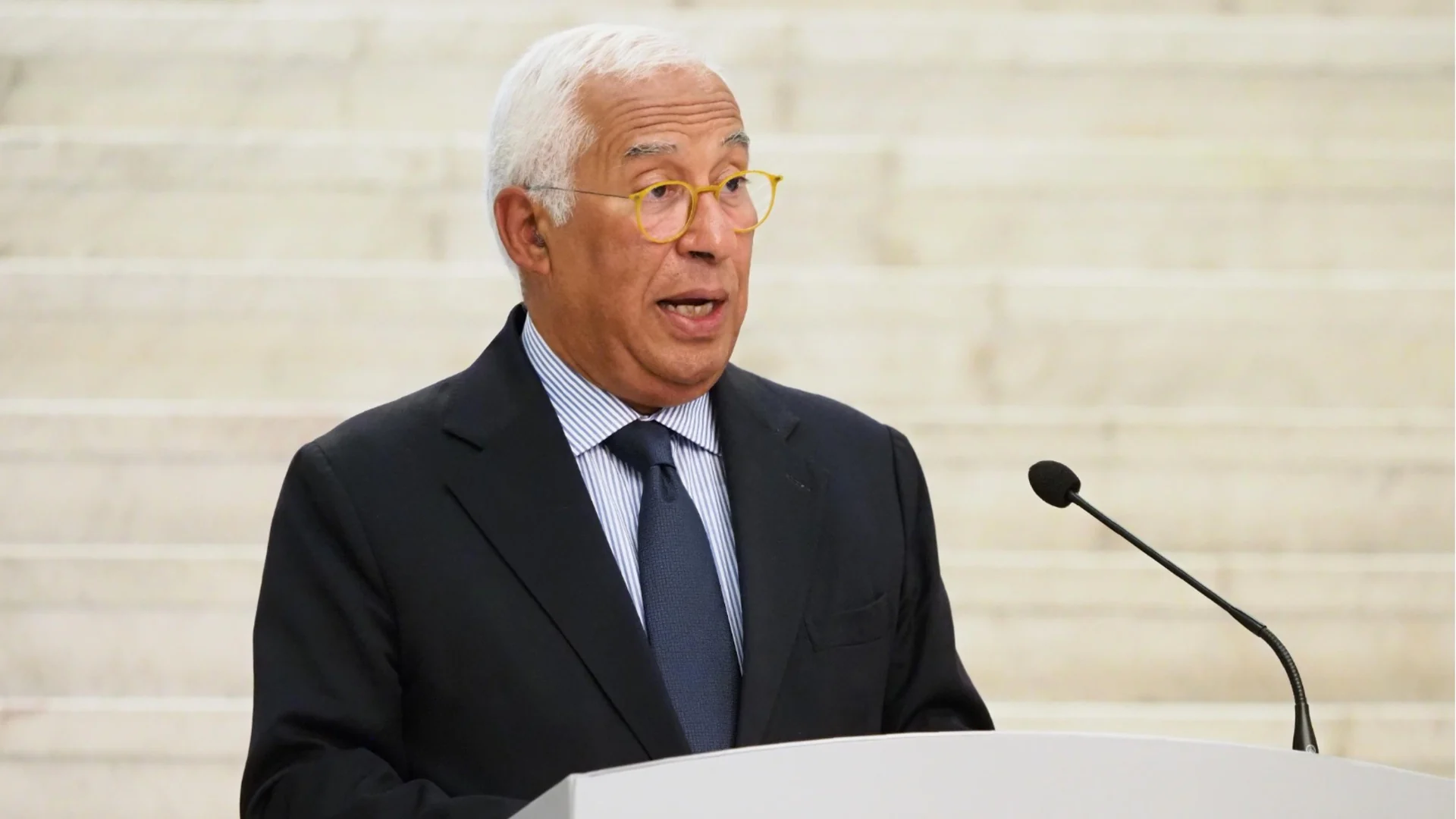
Seven member states of the European Union, Denmark, Estonia, Finland, Latvia, Lithuania, Poland and Sweden, have sent a letter to the President of the European Commission Ursula von der Leyen and the President of the European Council Antonio Costa, calling for the restriction of travel for Russian citizens, especially for participation in sporting events. The letter, sent on November 23, comes at a time when the European Commission is proposing a new package of sanctions, including visa restrictions. It is proposed that tourist visas be issued only in exceptional cases, and that persons involved in the war in Ukraine be banned from entering the EU. Russian athletes and teams will be deprived of the right to compete under the Russian flag, and Russian citizens will be banned from holding positions in European sports federations. The seven member states insist that these visa guidelines be included in the 22nd package of sanctions against Moscow, emphasizing that the time has come for the EU policy to limit the participation of Russia and Belarus in sports to be implemented in practice. They also note that the issue is too urgent to wait for the reform of the EU Visa Code, which is expected in 2027. However, the agenda of the upcoming EU summit is dominated by a proposal for a 45 billion euro loan for Ukraine and the next long term EU budget. So far, von der Leyen and Costa have not responded publicly to the letter, and the decision whether it will be included in the summit agenda depends on Costa. The President of Bulgaria, Ilyana Yotova, stated that the country has the potential to become key to the energy and digital security of Europe, but infrastructure remains a factor limiting the interest of foreign investors.
Where they differ
- Actualno.bg focuses mainly on the letter from the seven member states and the sanctions proposed by the European Commission, while Fakti.bg emphasizes the statement of President Ilyana Yotova regarding Bulgaria's potential for energy and digital security.
- Actualno.bg provides detailed information on the content of the letter and the arguments of the countries that signed it, while Fakti.bg presents Yotova's statement as a separate news item.
- Fakti.bg emphasizes the need to maintain European support for cohesion policy and agriculture, which is not mentioned in the Actualno.bg article.
- What else is unknown
- It remains unclear whether Antonio Costa will include the issue of visa restrictions on the agenda of the EU summit.
- It is not known what the reaction of the European Commission to the letter will be and whether it will accept the proposed measures.
Our reading
Most likely, given the urgency emphasized by the seven member states and the insistence on including visa restrictions in the 22nd package of sanctions, Antonio Costa will be forced to include the issue on the summit agenda. His decision depends on the pressure from these countries and his assessment of the political cost of delay. It is less likely that the European Commission will completely reject the proposal, but it may insist on more moderate measures or slow down the process, citing the upcoming reform of the Visa Code in 2027. If Costa does not include the topic, this would show a lack of unity in the EU and could undermine efforts to put pressure on Russia. Restricting the travel of Russian citizens, especially athletes, is part of a broader strategy to isolate Russia and Belarus from international events. This may have an impact on European sports tourism and on the revenues of sports federations, but it is likely that the countries insisting on restrictions will judge that political goals outweigh economic considerations. Although the letter does not mention Bulgaria, President Yotova's statement emphasizes the country's potential for the energy and digital security of Europe. This may be an attempt to position Bulgaria as a key partner in these areas and to attract foreign investment, despite infrastructure limitations.
What to watch
- The decision of Antonio Costa whether he will include visa restrictions in the agenda of the EU summit [expect an announcement from the European Council].
- The official response of the European Commission to the letter from the seven member states [expect a statement from a Commission spokesperson].
- The publication of the 22nd package of sanctions against Moscow and whether it includes the proposed visa restrictions [expect in the Official Journal of the EU].
Read the original coverage
💬 Comments
📜 Comment Policy