Bulgaria is at risk of an EU fine due to the budget deficit
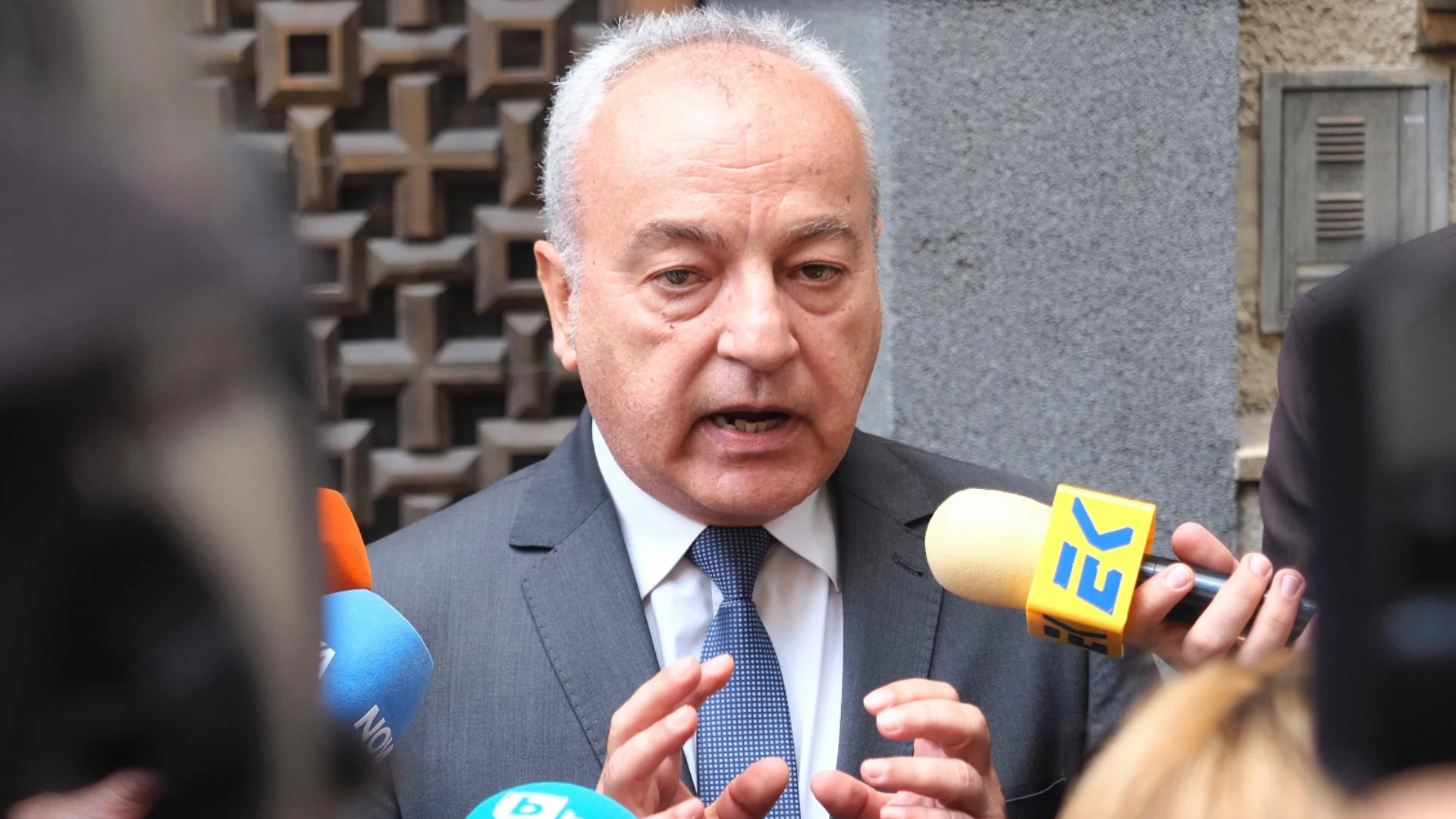
The European Commission has recommended a fine of 25 million euros for Bulgaria due to non compliance with budget deficit recommendations, while simultaneously discussing the possibility of suspending European funding. The Ministry of Finance, led by Galab Donev, points out that the reason for the risk of sanction is rooted in accumulated systemic problems and the political crisis in recent years, for which all political forces bear responsibility. According to the ministry, the management practices described in the National Audit Office audit, and the artificially corrected deficit for 2025, are at the core of the fiscal imbalances. The government claims that it has taken measures to recover public finances, proposing a reduction of the deficit from around 5% of GDP in 2026 to 4.2% in 2027. The leader of GERB, Boyko Borisov, called on the government to provide explanations for the risk of sanction and to indicate who made the decisions that led to this situation. He emphasized that political responsibility cannot remain anonymous and that citizens should not only receive a "payment bill". Despite the recommendation for a fine, the Ministry of Finance emphasizes that this will not affect payments under the Recovery and Resilience Plan. A decision on the potential fine is expected at the end of 2026 or the beginning of 2027, after the European Commission presents its proposal to the EU Council.
Where they differ
- Actualno.bg focuses on the position of the Ministry of Finance and the explanations for the accumulated problems, while Fakti.bg emphasizes the reaction of Boyko Borisov and his call for answers from the government.
- Fakti.bg provides information on the size of the potential fine (23 to 25 million euros) and the possibility of suspending European funding, while Actualno.bg does not specify concrete amounts for the suspension of funding, only for the fine.
- Actualno.bg emphasizes that the government expects a positive assessment from the EC for the budget actions taken in the 2027 to 2029 period, while Fakti.bg does not mention this forecast.
- What else is unknown
- It is not clear what specific management practices are described in the National Audit Office audit that led to fiscal imbalances.
- It is not specified which political forces bear shared responsibility for the accumulated problems, as claimed by the Ministry of Finance.
Our reading
Most likely, the European Commission will impose the proposed fine of 25 million euros, unless Bulgaria manages to convince the EU Council that it has taken sufficient measures to recover public finances. A key factor will be the EC assessment of the budget actions in the 2027 to 2029 period, as well as whether the corrections in the 2025 deficit will be taken into account. It is less likely that it will lead to the suspension of European funding, especially for the Recovery and Resilience Plan, but this depends on the extent of the fiscal imbalances and the persuasiveness of the Bulgarian government's arguments. Although the Ministry of Finance shifts the responsibility onto all political forces and accumulated systemic problems, the reaction of Boyko Borisov shows that GERB does not wish to take part of the blame. He insists on concrete names of the persons who made the decisions that led to the risk of sanction, which suggests internal tension and an attempt to distance themselves from potential negative consequences. This could complicate negotiations with the EC and the EU Council, as the lack of a unified understanding of the causes of the problem could undermine efforts to recover public finances.
What to watch
- The decision of the European Commission regarding the proposed fine, expected at the end of 2026 or the beginning of 2027. [European Commission]
- The EC assessment of the budget actions taken in the 2027 to 2029 period. [European Commission]
- The publication of the National Audit Office audit, to understand the specific management practices that led to fiscal imbalances. [National Audit Office]
Read the original coverage
💬 Comments
📜 Comment Policy