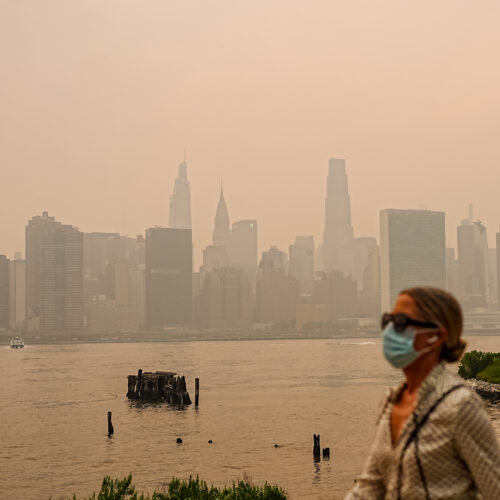
Recent research indicates that wildfire smoke is now a greater prenatal threat to developing fetuses than pollution from human sources, reversing gains made through air quality regulations. The study highlights the growing impact of climate change on public health.
Regulations designed to reduce harmful emissions have been effective in lowering prenatal exposure to pollutants traditionally associated with industrial and vehicle sources. However, according to a report by ars_technica_science, these improvements are being eroded by increasing levels of particulate matter from wildfires.
The shift in risk is significant because wildfire smoke contains particularly fine particulate matter (PM2.5), which can penetrate deep into the lungs and bloodstream. Prenatal exposure to PM2.5 has been linked to a range of adverse birth outcomes, including low birth weight, preterm birth, and developmental problems. The source states that regulations reduced prenatal exposure to harmful emissions, but wildfire smoke is erasing gains.
The increasing frequency and intensity of wildfires, driven by climate change, are the primary reason for this concerning trend. As wildfires become more common and widespread, larger populations are exposed to higher concentrations of smoke during critical periods of fetal development.
No calificamos la verdad. Eliminamos el sesgo y te mostramos qué perspectivas cubrieron la historia. Tú decides.
Leer la cobertura original
💬 Comentarios
📜 Política de comentarios