Van Hollen Challenges Schumer for Senate Leadership, Highlighting AI Regulation
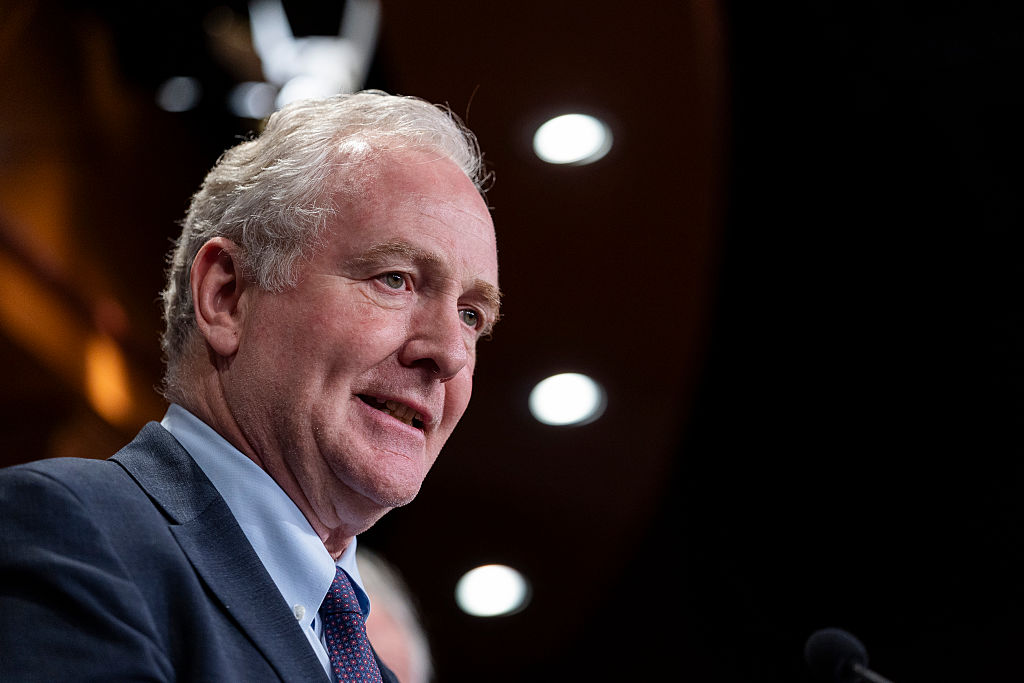
Senator Chris Van Hollen is mounting an insurgent challenge to Senator Chuck Schumer for the position of Senate Majority Leader, centering his campaign on the need for more aggressive regulation of artificial intelligence. Van Hollen argues the Senate must move faster to address the risks posed by rapidly developing AI technologies, advocating for mandatory safeguards, corporate liability for harm caused by AI products, and procedural changes to overcome legislative roadblocks. This contest, the first competitive race for the Democratic Senate leadership in over three decades, will be decided by a secret ballot on December 1, with either candidate needing at least 29 votes to win. Schumer, who has led Senate Democrats for a decade, is emphasizing his record of fundraising, candidate recruitment, and building a majority. The underlying dynamic of these leadership contests, however, is serving the needs of individual senators, particularly regarding reelection, rather than acting as a national leader of the party. Senators prioritize a leader who can help them secure their own positions, whether that means advancing specific legislative priorities like Medicare for All or avoiding votes on contentious issues. Representative Hakeem Jeffries recently won the Democratic nomination for Speaker of the House with 251 votes, facing similar pressures to balance caucus needs with broader party goals. Schumer has claimed to have secured enough commitments to win, currently holding public backing from 15 senators and senators-elect.
Where they differ
- Time Magazine focused on Van Hollen’s specific policy proposals regarding AI regulation, detailing his vision for safeguards and liability.
- Mother Jones framed the leadership contest as fundamentally about serving the needs of individual senators and their reelection prospects, rather than broader party goals.
- Mother Jones highlighted the bureaucratic aspects of leadership, noting the tedious tasks involved, while Time Magazine focused on the policy distinctions between the candidates.
What is not yet known
- Whether Schumer will be able to secure the 29 votes needed to win the leadership position remains uncertain, despite his claim of having enough commitments.
- The extent to which AI regulation will be a decisive factor in the Senate leadership vote is not fully established.
Background
- In 2026, Democrats regained control of the US Senate, securing 55 seats and the ability to block President Trump’s agenda [Fact Refinery, 2026-11-04].
- Senator Chuck Schumer is currently expected to regain his title as Senate Majority Leader, having previously held the position [Fact Refinery, 2026-11-04].
- Senator Chris Van Hollen announced his challenge to Schumer for the Senate Majority Leader position, framing it as a call for a shift beyond simply opposing Trump’s policies [Fact Refinery, 2026-11-13].
- A prior challenge to Schumer’s leadership occurred in 2017, but this contest, with Van Hollen, represents the most significant challenge in over three decades [Fact Refinery, 2026-11-13].
- Representative Alexandria Ocasio-Cortez has not ruled out a run for Senate, potentially against Schumer, in 2028 [Fact Refinery, 2026-08-10].
Our reading
We find the focus on AI regulation to be a strategic move by Van Hollen, capitalizing on a genuine area of concern and differentiating himself from Schumer. The most likely outcome is Schumer retaining the leadership position, given his established fundraising network, track record of building a majority, and current endorsements. However, a significant shift in support towards Van Hollen before December 1st, perhaps triggered by a high-profile endorsement or a compelling policy debate, could upset this balance. A less likely outcome is a stalemate, forcing a compromise or a prolonged internal struggle that weakens the party’s position heading into further confrontations with the Trump administration. The emphasis on serving individual senators’ needs, rather than broader party goals, as highlighted by Mother Jones, suggests a pragmatic, even cynical, dynamic within the Democratic caucus. This could broaden into a wider debate about the party’s priorities: whether to focus on national issues like AI regulation or prioritize the concerns of individual constituencies. The recent bipartisan agreement to expedite energy and infrastructure projects, despite progressive reservations, demonstrates the potential for compromise, but also the risk of alienating key segments of the party base. Schumer’s established relationships and fundraising ability may be seen as a more predictable opponent than Van Hollen, whose progressive stance could lead to more unpredictable legislative battles.
What to watch
- The final tally of votes in the Senate leadership election on December 1st [Frognews].
- Any further endorsements of either candidate from prominent senators or progressive groups [Time Magazine].
- Whether Van Hollen can successfully frame AI regulation as a defining issue in the Senate leadership contest [Mother Jones].
Read the original coverage
💬 Comments
📜 Comment Policy