US Homelessness Count Drops, But Chronic Cases Persist
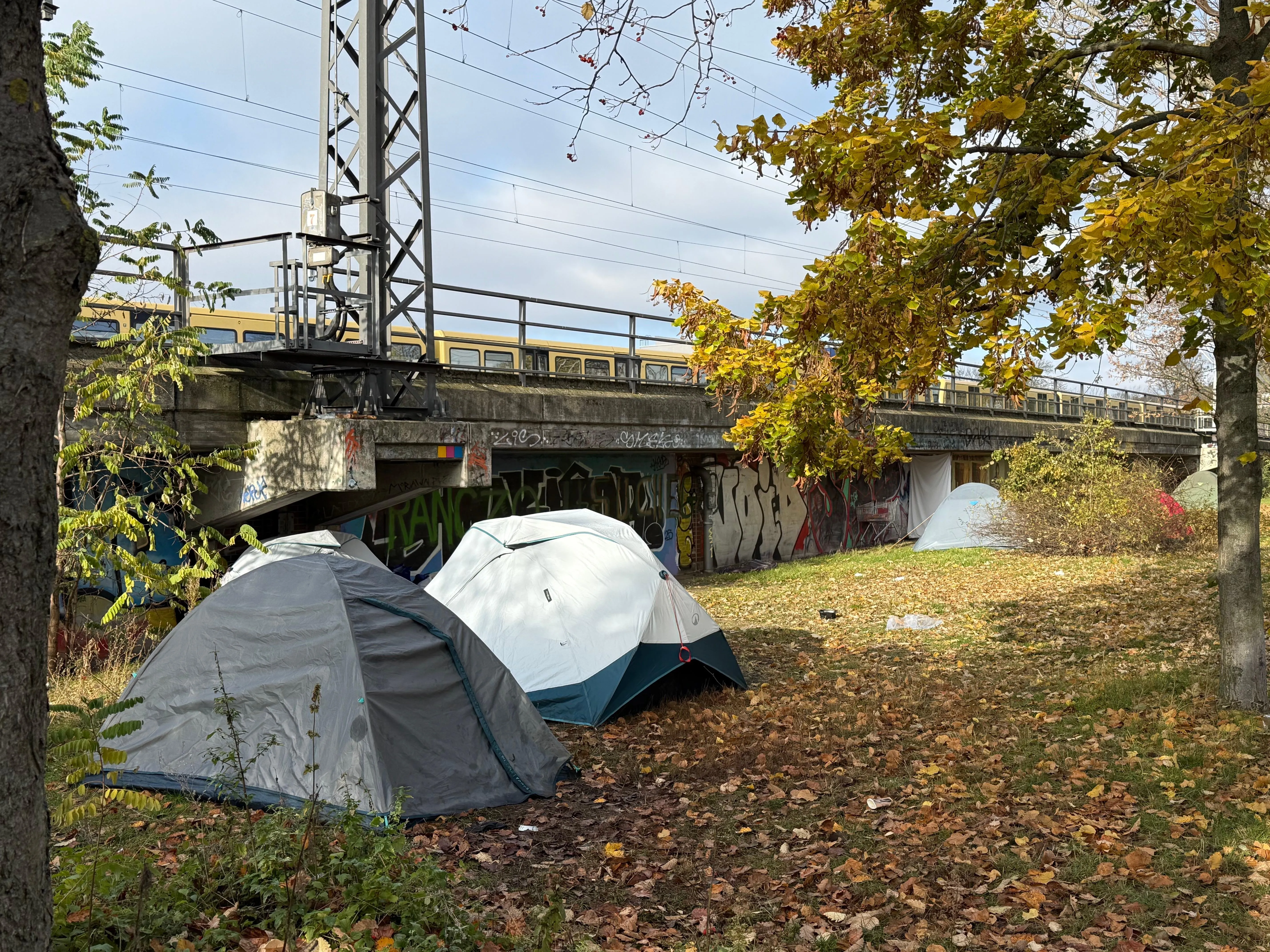
The US Department of Housing and Urban Development’s preliminary Point-in-Time Count estimates 698,425 people experienced homelessness on a single night in January, a 6.3 percent decrease from the prior year, the largest one-year drop since the national count began in 2007. The National Alliance to End Homelessness estimated a similar 6.7 percent decline. While homelessness overall has fallen from a peak of 771,000 in 2024 to 745,652 in 2025, the number of people experiencing chronic homelessness has remained relatively stable. The Trump administration attributes the decrease to border security measures and efforts to remove “criminal illegals,” while housing advocates point to factors like declining numbers of newly arrived migrants and slower rent growth. Both sides acknowledge a decrease in asylum-seekers arriving in cities like Boston, Chicago, Denver, and New York City accounted for approximately 60 percent of the increase in shelter counts in 2023 and 2024.
HUD Secretary Scott Turner stated, “President Trump’s actions to secure the border, get criminal illegals off our streets, and restore safety to our communities drove a historic decrease in homelessness.” Economists at the University of Chicago and Dartmouth estimate that asylum-seekers accounted for a significant portion of the recent rise in shelter populations. The decline in new arrivals is a key factor in the overall reduction, though the precise impact of various local programs and economic conditions remains unclear.
Despite the overall decrease, chronic homelessness, defined as long-term homelessness often coupled with disabilities or other challenges, has not seen a corresponding reduction. This disparity highlights a persistent issue, with advocates and the administration disagreeing on the most effective policy approaches to address it. The differing explanations for the recent drop underscore the ongoing debate over how to best tackle the complex issue of homelessness in the United States.
Where they differ
- RealClearPolitics included additional articles focused on crime and sanctuary policies, framing them as related to homelessness and public safety.
- Vox focused specifically on the homelessness count and the policy disagreements surrounding it, while RealClearPolitics presented a broader collection of crime-related news.
- Vox directly quoted HUD Secretary Scott Turner, while RealClearPolitics did not include direct quotes from administration officials within the article itself.
What is not yet known
- The exact contribution of local programs to the decline in homelessness remains unclear.
- The long-term sustainability of the current downward trend in homelessness is not established.
Background
- The US Department of Housing and Urban Development (HUD) conducts an annual Point-in-Time Count to estimate the number of people experiencing homelessness nationwide, beginning in 2007 [Fact Refinery, 2026-11-24].
- In 2024, the US saw a peak of 771,000 people experiencing homelessness, decreasing to 745,652 in 2025 [Fact Refinery, 2026-11-24].
- The Trump administration previously attributed decreases in homelessness to border security measures and removal of “criminal illegals” [Fact Refinery, 2026-11-24].
- A HUD rule denying federal housing assistance to those living with individuals unable to verify immigration status is currently facing legal challenges from multiple cities and states [Fact Refinery, 2026-11-24].
Our reading
We are struck by the divergence in explanations for the recent drop in homelessness. The Trump administration’s emphasis on border enforcement aligns with their established rhetoric and the reported decrease in asylum-seekers contributing to shelter populations. However, the acknowledgement from both sides regarding the impact of asylum-seeker numbers suggests a shared understanding of a key driver, even if they disagree on the appropriate response. Most likely, the downward trend will continue in the short term, provided the flow of asylum-seekers remains subdued. A significant increase in new arrivals, perhaps due to shifts in international events or policy changes elsewhere, could quickly reverse the gains. Less likely, but possible, is a substantial reduction in chronic homelessness. This would require dedicated funding and innovative programs specifically targeting this population, something the article suggests is currently lacking. The article highlights a growing tension between addressing overall homelessness and tackling the more intractable issue of chronic homelessness. This disparity could become a focal point of political debate, particularly as cities like Los Angeles, now led by a democratic socialist mayor, prioritize different approaches to housing and social services [Fact Refinery, 2026-11-06]. The differing perspectives on the effectiveness of local programs and economic conditions, as noted in the article, suggest a lack of consensus on best practices.
What to watch
- The outcome of the legal challenges to the HUD rule on housing assistance for mixed-status families [Fact Refinery, 2026-11-24].
- The release of more detailed data from the Point-in-Time Count, specifically breaking down the impact of local programs [article text].
- Trends in asylum-seeker arrivals at key cities like Boston, Chicago, Denver, and New York City [article text].
Read the original coverage
💬 Comments
📜 Comment Policy