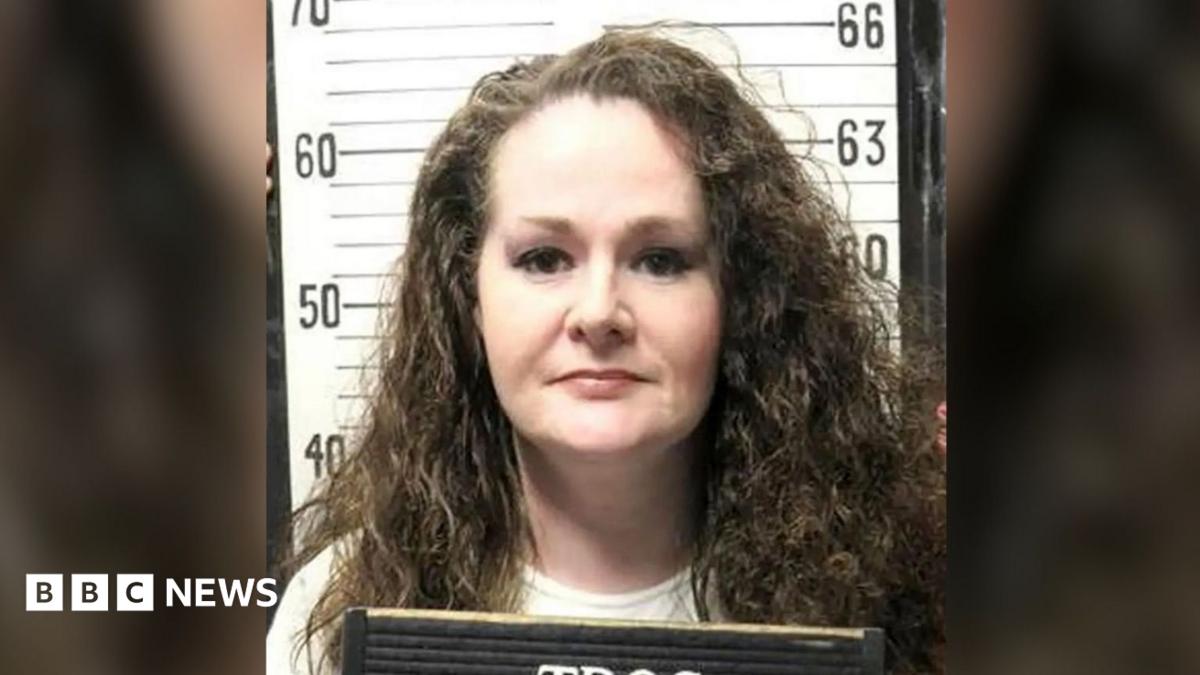
Christa Pike, 50, has regained consciousness and is speaking after surviving a failed execution attempt in Tennessee last Wednesday. Pike received two doses of pentobarbital but remained conscious, leading to her hospitalization and a pause on all executions in the state. Attorneys for Pike describe her recovery as medically unprecedented, noting severe damage to her arms and that she remains handcuffed to her hospital bed. The incident has prompted the resignation of Tennessee’s prison chief, Frank Strada, and an independent review of the execution process.
Pike was sentenced to death for the 1995 murder of Colleen Slemmer, 19, alongside her then-boyfriend, Tadaryl Shipp, who received a life sentence. Medical experts advising Pike’s defense suggest the pentobarbital may not have entered her bloodstream properly, potentially causing the failure, and warn of possible brain injury. Dr. Joel Zivot, an anesthesiologist, noted the dosage should have been fatal under normal circumstances. Attorneys had previously raised concerns about Pike’s medical history, including a blood-clotting condition and small veins, which they believed could increase the risk of pain and suffering.
Witnesses reported Pike choking and struggling for an hour after the first injection. The failed execution has drawn widespread condemnation, with some, like Catholic nun Helen Prejean, calling it an act of cruelty. Strada’s resignation marks the fifth botched execution under his leadership across two states since 2022. While Pike’s prognosis remains unclear, her attorneys anticipate a long recovery. The case raises questions about the administration of lethal injections and the potential for prolonged suffering in capital punishment cases.
Our reading is that this incident reveals significant practical and ethical challenges within Tennessee’s capital punishment system. The unprecedented survival of an inmate after a supposedly lethal dose of pentobarbital, coupled with the prison chief’s resignation, suggests systemic failures in execution protocols and raises serious questions about the potential for prolonged suffering. The differing coverage highlights a debate over the death penalty itself, with some outlets focusing on the process and others on the broader moral implications.
Read the original coverage
💬 Comments
📜 Comment Policy