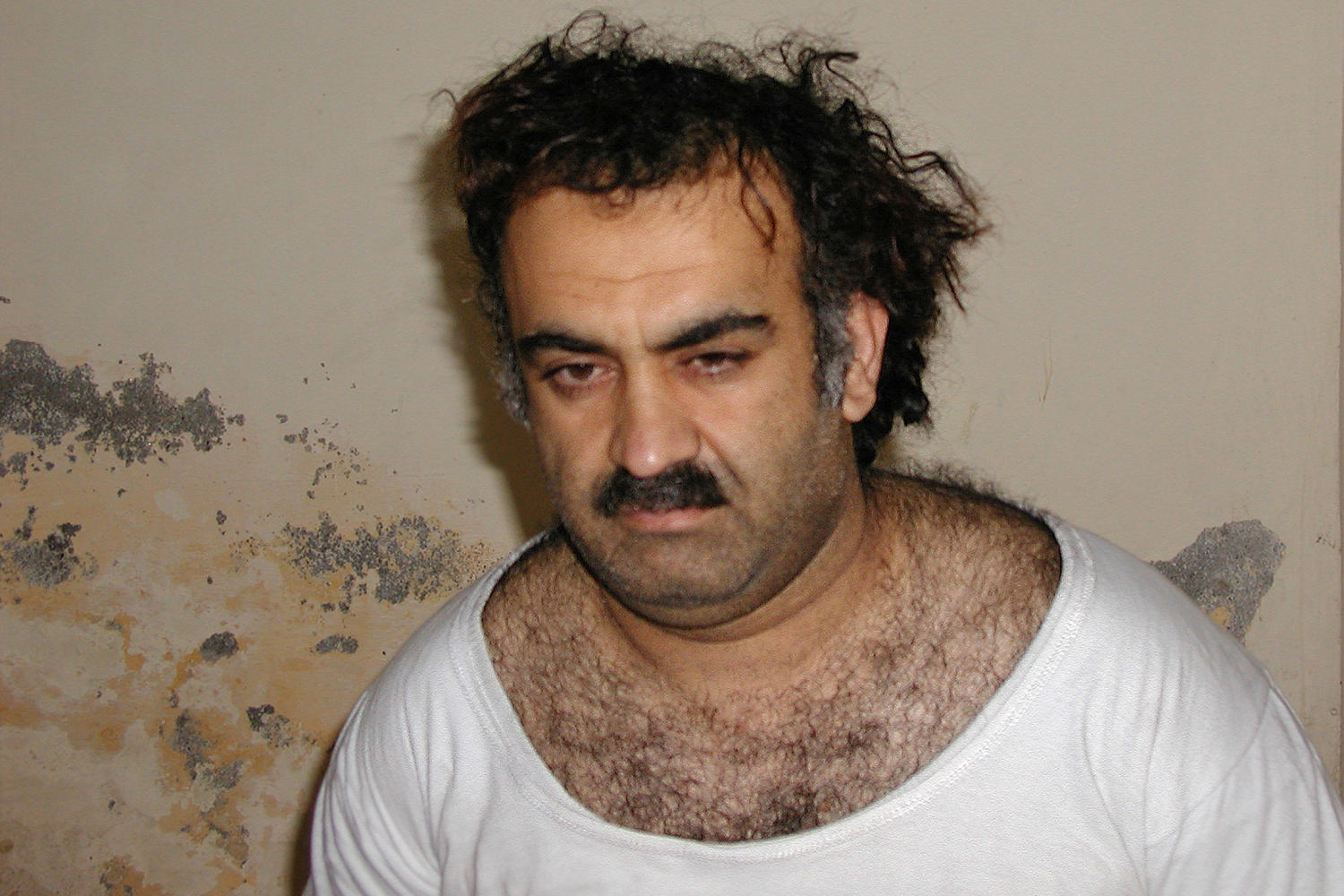
The Supreme Court on Monday rejected an appeal from Khalid Sheikh Mohammed and two alleged co-conspirators seeking to revive plea agreements that would have spared them the death penalty. The decision removes a key legal barrier to a military trial, currently scheduled for June 2028, where the men face potential capital punishment for their alleged roles in the September 11, 2001, attacks. The three, Mohammed, Mustafa al Hawsawi, and Walid bin 'Atash, had agreed to plead guilty to all charges in exchange for life sentences, a deal approved by a military commission judge in 2024. However, then-Defense Secretary Lloyd Austin subsequently revoked the agreements, citing his authority to do so.
The legal battle stemmed from Austin’s decision, which military courts initially ruled unlawful. The U.S. Court of Appeals for the District of Columbia Circuit ultimately sided with the government, finding that Austin did have the authority to withdraw from the plea deals. The defendants argued the appeals court lacked jurisdiction, a claim the Supreme Court declined to review. The case has been delayed for years due to concerns over the admissibility of evidence obtained through CIA “enhanced interrogation techniques”, widely considered torture, while the men were held at secret facilities before being transferred to Guantanamo Bay in 2006.
Justice Brett Kavanaugh did not participate in the Court’s consideration of the appeal. A fourth alleged plotter, Ali Abdul Aziz Ali, was not involved in the appeal. The decision does not address the ongoing debate surrounding the use of evidence obtained through controversial interrogation methods, nor does it resolve the logistical challenges of holding a trial for high-profile terrorism suspects at Guantanamo Bay.
Our reading is that the Supreme Court’s decision effectively removes a significant obstacle to the military trial of the 9/11 defendants, potentially paving the way for capital punishment. While the ruling does not address the contentious issues surrounding the evidence obtained through interrogation methods or the logistical difficulties of the trial location, it confirms the government’s authority to revoke previously agreed-upon plea deals. The court’s refusal to review the jurisdictional claim suggests a prioritization of moving the case forward despite ongoing legal complexities.
Read the original coverage
💬 Comments
📜 Comment Policy