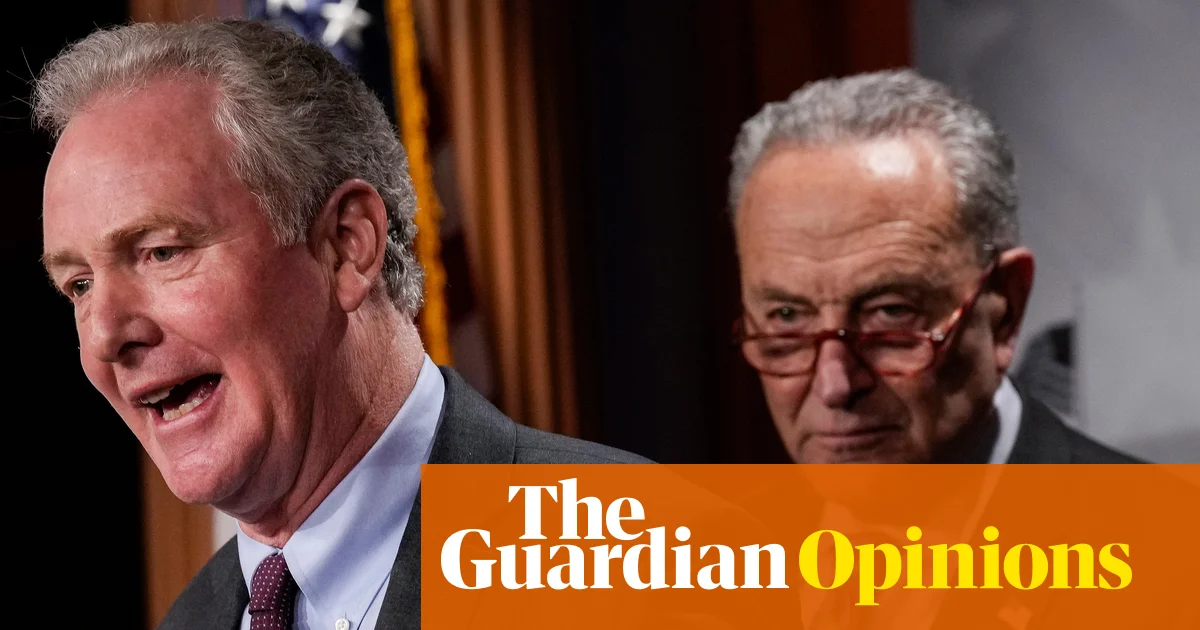
A contest for Senate Democratic leader between Chuck Schumer and Chris Van Hollen is unfolding, framed by some as a fundamental debate over the future direction of the Democratic party. Senator Bernie Sanders argues the election is not about personality but about whether the party will remain reliant on large donors and traditional tactics, or shift towards a grassroots focus addressing issues like wealth inequality, campaign finance, healthcare, artificial intelligence, climate change, immigration, and foreign policy. Senator Jeff Merkley, the ranking member of the Senate Budget Committee, has endorsed Van Hollen, signaling progressive support for a challenge to Schumer’s leadership. Axios reports Van Hollen is gaining endorsements in his bid to unseat Schumer, exposing divisions within the party following recent legislative successes.
Sanders specifically questions whether Democrats will address issues such as wealth inequality, a corrupt campaign finance system, the financial struggles of a significant portion of the population, the accessibility of healthcare, the impact of artificial intelligence, climate change, a broken immigration system, and past and present foreign policy decisions, including wars in Vietnam, Iraq, and current aid to Israel. Merkley’s endorsement of Van Hollen is a clear signal of progressive dissatisfaction with the status quo, while Schumer is seeking to maintain his position as leader.
The contest reveals a split within the Democratic party regarding its priorities and approach to addressing pressing national issues. While the specifics of Van Hollen’s platform remain less detailed in these sources, the endorsements and framing suggest a desire for more aggressive action on issues prioritized by the progressive wing of the party. The outcome of the leadership election could significantly influence the party’s agenda and strategies in the coming years.
We begin by forecasting the likely outcomes of this leadership challenge. The most likely scenario is Schumer retaining his position, given his existing support base and the party’s recent legislative successes. However, Van Hollen’s challenge, coupled with endorsements from figures like Jeff Merkley and Bernie Sanders’ framing of the election, suggests a significant level of discontent within the Democratic caucus. A less likely outcome is Van Hollen securing the leadership, which would require a substantial shift in support, potentially triggered by further revelations about the issues Sanders raises, wealth inequality, campaign finance, and foreign policy. The balance could tip if Van Hollen successfully articulates a compelling alternative vision and demonstrates broader support beyond the progressive wing. A broader aspect of this contest is the ongoing internal struggle within the Democratic party to define its identity post-Trump. This is not merely a personality contest, but a debate over the party’s core values and priorities, as highlighted by Sanders. The recent election of Abdul El-Sayed in Michigan, a progressive insurgent, suggests a growing appetite for more assertive policies on issues like healthcare and foreign aid, potentially influencing the broader direction of the party. Considering the other side, Schumer’s position is not simply about maintaining power. He likely recognizes the need to address the concerns raised by Van Hollen and Sanders to prevent further fracturing of the party. His strategy will likely involve attempting to co-opt some of Van Hollen’s key issues while emphasizing his experience and ability to deliver legislative results. The tension between maintaining the status quo and adapting to a changing political landscape is palpable.
Read the original coverage
💬 Comments
📜 Comment Policy