Rivers Overflow in Peru and Ecuador Amid Powerful El Niño
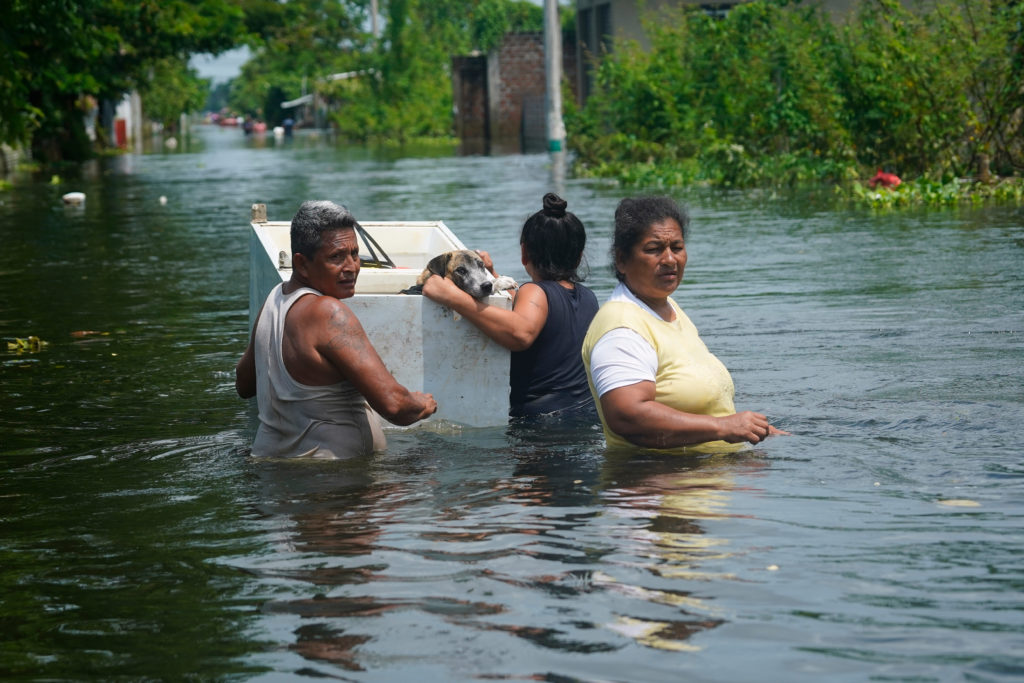
Heavy rainfall from a powerful El Niño weather pattern has caused rivers to overflow in northern Peru and coastal Ecuador, prompting water rescues, evacuations, and road closures. In Ecuador, the downpours have killed at least 34 people since late August, with two deaths reported Friday due to a mudslide. Peru has also experienced significant river overflows. The risk management agency in Ecuador reported two fatalities Friday when a mudslide crashed into their homes.
Both Peru and Ecuador are experiencing relentless storms and downpours along their normally dry coasts. The scale of the flooding has necessitated water rescues and widespread evacuations as communities grapple with the rising waters and blocked roadways. The current situation is a direct result of the powerful El Niño weather pattern impacting the region.
While the immediate focus is on rescue and relief efforts, the long-term consequences of the flooding remain to be seen. The extent of the damage to infrastructure and agriculture is still being assessed, and the recovery process is expected to be lengthy and challenging.
Background
- Both Peru and Ecuador are currently experiencing intense rainfall linked to the El Niño weather pattern [The Guardian, 2026-11-28].
- California’s coast is facing increased flood risk due to high tides, El Niño, and warm sea waters [Fact Refinery, 2026-11-24].
- A Kelvin wave is raising sea levels along the California coast by up to one foot, exacerbating flood risks [Fact Refinery, 2026-09-30].
Our reading
We begin by considering the most likely outcome: continued, severe flooding in Peru and Ecuador as the El Niño pattern persists. The scale of the current disaster, with at least 34 fatalities in Ecuador since late August, suggests a prolonged crisis. A less likely scenario involves a rapid weakening of El Niño, which would lessen the rainfall but not immediately alleviate the existing damage. The key factor tipping the balance will be the duration and intensity of the El Niño event itself. The impact extends beyond immediate rescue efforts. Given the damage to infrastructure and agriculture, a broader aspect to watch is the potential for food price increases in both countries, and potentially regionally if agricultural exports are significantly disrupted. The prior article about California suggests a pattern of increasingly intense weather events linked to El Niño, implying this may not be an isolated incident. The article focuses solely on the affected countries. However, Ecuador’s report of fatalities stemming from mudslides indicates vulnerability to secondary disasters, and suggests internal challenges in hazard mitigation and infrastructure resilience. The extent to which these challenges contribute to the death toll, and whether resources are sufficient for both immediate rescue and long-term prevention, remains a critical question.
What to watch
- Reports from Ecuador’s risk management agency detailing the extent of infrastructure damage and agricultural losses [Ecuadorian Risk Management Agency].
- Updates on the intensity and projected path of the El Niño weather pattern from meteorological agencies [National Meteorological Services of Peru and Ecuador].
- Figures on aid requests and disbursement from international organizations to Peru and Ecuador [United Nations Office for the Coordination of Humanitarian Affairs].
Read the original coverage
💬 Comments
📜 Comment Policy