Protests Fueled by Economic Concerns Spread Across Europe
AI-synthesized · Bias removed · Facts only
2 sources: 1 left · 1 center · 0 right
Facts are sacred. Opinion is labelled.
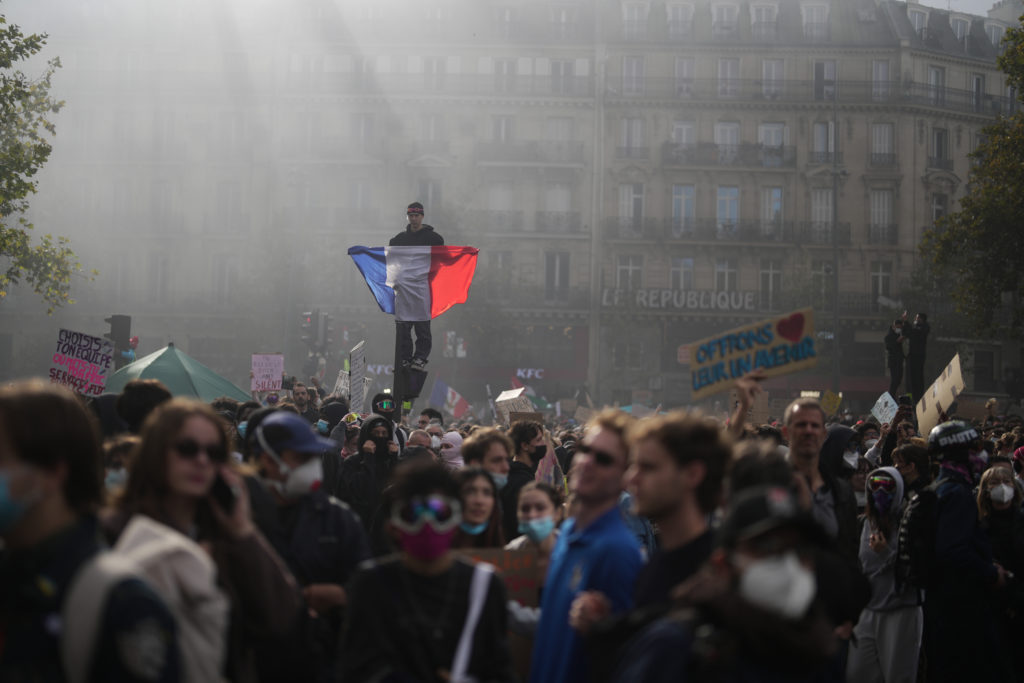
Image: Pbs Newshour
Social unrest is escalating across Europe, with protests reported in France, Albania, Italy, Belgium, and Tirana. Rising food and fuel prices, coupled with concerns over funding for education, public services, and housing, are driving the demonstrations. In Milan, Brussels, Liège, and Tirana, protests have turned violent, involving looting and clashes with police. The protests reflect widespread dissatisfaction with economic conditions and access to essential services. While the specific triggers vary by location, a common thread is the strain on household budgets and anxieties about the future. The situation remains fluid, with no immediate resolution in sight and the potential for further escalation as economic pressures persist. The scale and duration of these protests suggest a broader pattern of discontent across the continent, though the underlying causes and potential outcomes remain localized and complex.
Background
- Protests in France began in September with student demonstrations over underfunded schools and escalated into nationwide unrest by October 6th, involving over 250,000 protesters and resulting in over 2,400 arrests by October 19th [Fact Refinery, 2026-10-19].
- Following the French protests, Interior Minister Laurent Nuñez offered to resign citing police unpreparedness, but President Macron declined, requesting an assessment of intelligence failures [Fact Refinery, 2026-10-19].
- Albania has also experienced violent anti-government protests stemming from student demands for better conditions, broadening to calls for the resignation of Prime Minister Edi Rama [Fact Refinery, 2026-10-15].
Our reading
Our reading is that the reported protests across Europe, while localized in their immediate triggers, represent a significant and potentially interconnected wave of discontent. The convergence of rising costs for essential goods and services, coupled with anxieties about public services, suggests a widespread erosion of economic security and trust in governing institutions. The escalation to violence in multiple cities indicates a level of frustration that goes beyond peaceful demonstration.
What to watch
- The response of French authorities to the ongoing protests, specifically whether the partial curfews are effective in de-escalating violence [French government announcements/news reports].
- Economic indicators for Italy and Belgium, to assess whether the economic pressures impacting France and Albania are also manifesting in increased social unrest [Eurostat/national statistics agencies].
- Any statements from the European Central Bank regarding sovereign debt concerns, particularly related to France, and potential interventions [ECB press conferences/official statements].
💬 Comments
📜 Comment Policy